Waste-to-energyEvent
Szczecin trams will run on energy from waste: an agreement with EcoGenerator
From 1 October 2026 to the end of July 2027 Tramwaje Szczecińskie will buy about 8,395 MWh of energy from EcoGenerator – a municipal waste thermal treatment installation – which will cover about 40% of traction energy demand.
Other language versions: polski.
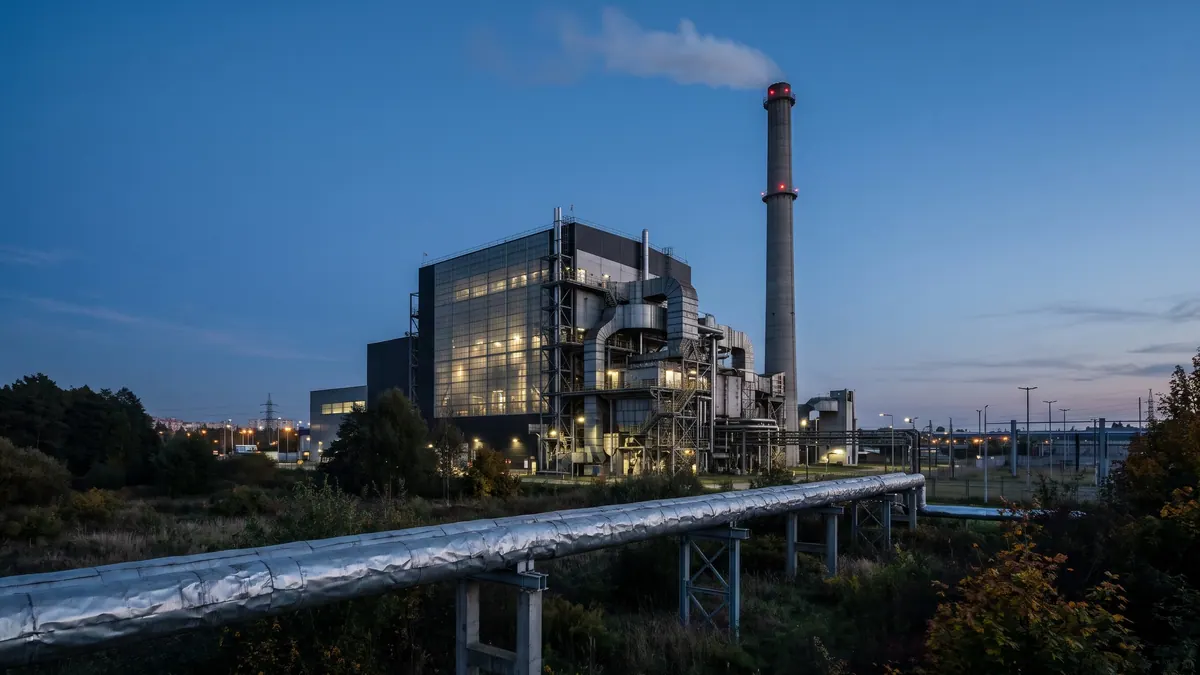
Tramwaje Szczecińskie signed an agreement with the Waste Disposal Plant (Zakład Unieszkodliwiania Odpadów, ZUO) for the purchase of electricity generated at EcoGenerator – a municipal waste thermal treatment installation in Ostrów Grabowski in Szczecin. The agreement runs from 1 October 2026 to the end of July 2027 and covers a forecast volume of 8,395 MWh with a net value of PLN 3.78 million. According to the city this will cover about 40% of the trams' energy demand, and the supply will cover eight traction substations: Las Arkoński, Piotra Skargi, Gontyny, Klonowica, Gdańska, Rugiańska, Kaliny and Piesza.
Previous agreements
The earlier contract for the period from October 2024 to July 2025 covered six substations and a planned 5,788.1 MWh. The new agreement therefore increases both the number of substations and the volume. ZUO obtained an energy trading licence in 2022, and municipal units have bought energy from EcoGenerator since 2023. This looks like the consistent building of a local loop: waste generated in the city powers its public transport.
EcoGenerator in numbers
The installation has operated since December 2017 and generates electricity and heat from thermally processed municipal waste. By the end of 2025 about 1.27 million tonnes of waste had been processed (about 102 thousand deliveries), generating about 4.33 million GJ of gross heat and about 568 thousand MWh of gross electricity. After absorption heat pumps were commissioned in June 2026, thermal capacity rose from 25–29 MWt to about 38 MWt, and at peak exceeds 40 MWt. Heat recovery from flue gases increases overall efficiency.
Why it matters
Thermal treatment of waste (ITPOK, an installation for the thermal treatment of municipal waste) is controversial in Poland, but it performs two functions: it reduces the amount of waste going to landfill and supplies energy. The link with urban transport is an example of how to use energy from waste locally. It must be remembered that the share of fossil waste (plastics) causes CO₂ emissions, and the waste hierarchy places recycling and prevention above energy recovery.
Significance for the industry in Poland
For local governments this means the possibility of using their own waste infrastructure as a source of energy for municipal companies, to the benefit of security of supply and costs. For the biogas industry it is context: the biodegradable fraction of municipal waste is an alternative to incineration – digestion of biowaste yields biogas and digestate, and the better the separate collection, the less valuable waste ends up in ITPOK. With the entry into force of new rules on packaging and recycling targets, the composition of the waste stream will change.
What to watch
The agreement covers a short period (until July 2027). The article states that the energy powers all tram lines in the sense of substations, but coverage of the order of 40% means that the rest comes from other sources. When assessing the emissions footprint, the share of the biogenic fraction of waste must be taken into account.
Sources
Related articles