BiogasAnalysis
Indonesia: biogas from POME — great potential, but few power plants for years. Data from 2014–2018
Indonesia has hundreds of palm oil mills, but in 2014–2018 biogas from POME was used on a small scale. What were the barriers: tariffs, grid connections, experience with PLN contracts and financing?
Other language versions: polski.
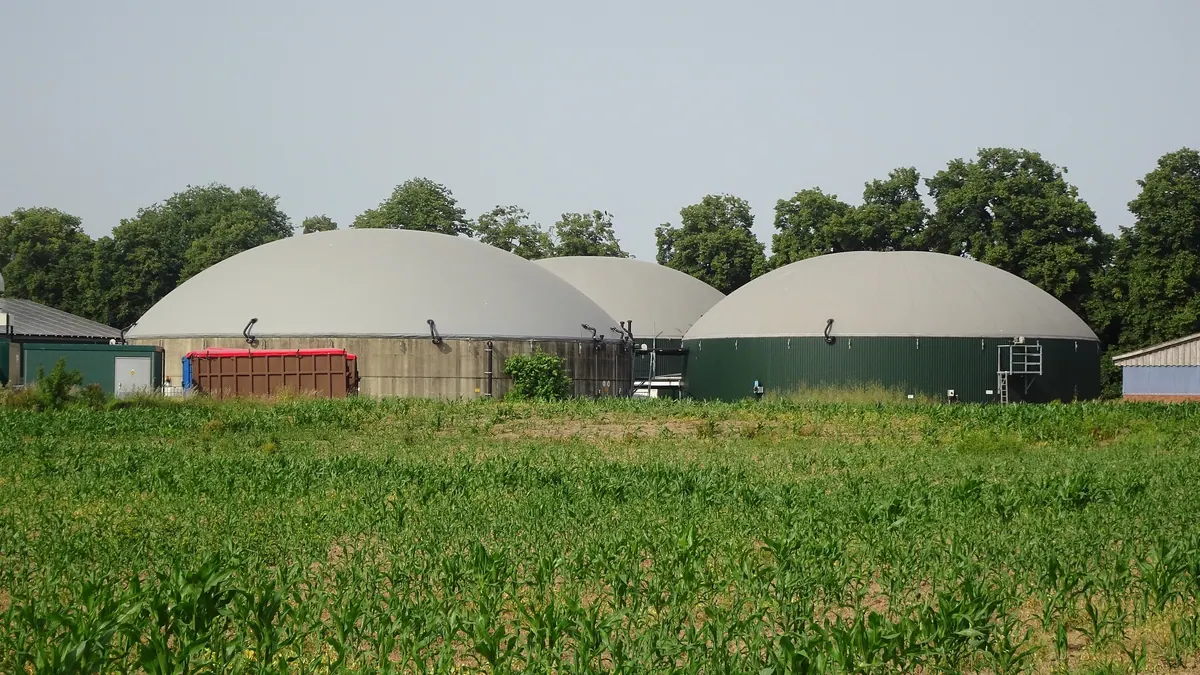

Indonesia is the world's largest producer of palm oil, and its mills generate huge quantities of POME (palm oil mill effluent), which, after anaerobic digestion, yields biogas. Even so, in 2014–2018 biogas from POME was used on a small scale. This entry is based on data from 2014–2018 and describes the situation of that period; it does not present the current state of the market.
Potential: data from 2016 and 2018
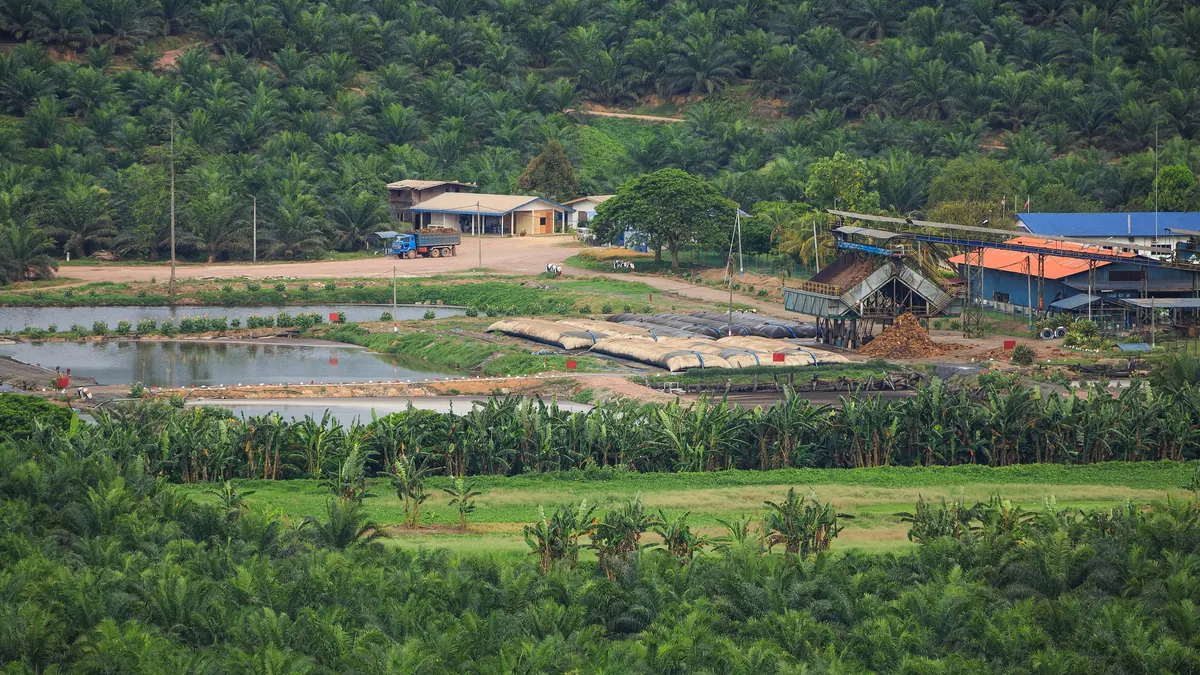
According to a commentary in The Jakarta Post of 27 January 2016, biogas from the effluent of 850 palm oil mills in the country could provide 1,100 MW of electrical capacity; such estimates were presented by Rida Mulyana, Director General for Renewable Energy and Energy Conservation. The same commentary described extensive effluent lagoons from which "a huge amount" of methane is released, and stated that only a small part of it is captured. The commentary of 29 January 2018 spoke of about 950 mills whose effluent is mostly wasted or burned, and cited a ministry estimate that biogas from this waste could yield more than 1,000 MW. The difference between 850 and 950 mills stems from two separate estimates, not from a measurement; we do not decide which is more accurate.
First projects
Indonesia's first IPP (independent power producer) biogas power plant with a power purchase agreement was, according to the ESDM website, the AANE Jangkang plant on Belitung island with a capacity of 1.2 MW, fuelled by POME. Its opening ceremony took place on 11 January 2014 with the participation of representatives of the ministry, the authorities of East Belitung regency, PLN (the state electricity company) and the company PT Austindo Aufwind New Energy. The PPA was concluded on the basis of Minister of Energy Regulation No. 4 of 2012. This is an important precedent, because it shows that the IPP model for POME biogas was possible within the existing legal framework.
The 2016 commentary described a further event: the opening of the fifth such power plant in Riau, owned by the Asian Agri group. According to this text, small POME installations, usually with a capacity of about 1 MW, had so far served mainly to supply households around the mills, and Asian Agri planned to build 15 more 1 MW power plants at its mills in Sumatra. The 2018 commentary mentioned a power plant in Jambi province, where POME is processed into biogas for energy production.
Regulations
According to the commentary of 27 January 2016, Mulyana announced on 23 January work on a regulation that would oblige all palm oil companies to use POME to produce biogas for energy purposes. The newspaper also wrote that the government had just issued a regulation setting tariffs for surplus energy from power plants based on POME biogas, which means an obligation for PLN to buy this energy. Our sources contain no specific tariff rates from that period, so we do not give them; nor did we check whether the announced obligation was ultimately introduced.
Why so slow
The 2016 commentary pointed to two obstacles. First, palm oil companies had no experience in selling energy to PLN under a feed-in tariff. Second, investment in power plants ties up the companies' limited investment funds. The authors proposed that the government facilitate partnerships between palm oil companies, energy companies and PLN, which would make it possible to transfer management of the investment to specialised partners. In addition, the commentary noted that the mills are located near plantations and farms not connected to the PLN grid, which makes POME biogas a good candidate for supplying rural areas with energy.
Climate significance
Open lagoons are a source of methane, and Indonesia and Malaysia are the world's two largest producers of palm oil. For importers it matters whether the oil comes from mills with biogas capture. The authors of the 2016 commentary added that greater energy production from POME would help improve the image of an industry associated with deforestation.
What we do not know
Our sources from 2014–2018 lack data on the number of operating installations, on tariff rates and on the implementation of the regulatory announcements. We also omitted figures from other studies whose methodology we could not verify (including estimates of the share of mills with biogas and of installed capacity). This entry therefore describes barriers, not the state of the market.
Conclusions
The Indonesian experience of 2014–2018 shows that technology was not the main constraint: the economic and institutional framework was key — certainty of offtake, the tariff, grid access and experience in contracts with the operator. This is a lesson common to most biogas markets.
What this means for Poland and Europe
Although POME does not occur in Europe, the Indonesian experience is valuable for any biogas policy: if energy or gas offtake is uncertain and connection is difficult, the potential remains unused. For importers of oils and renewable fuels this means the need to verify methane capture declarations.
Sources
- The Jakarta Post — Editorial: Harnessing palm oil waste (27.01.2016)
- The Jakarta Post — Editorial: Powering renewable energy (29.01.2018)
- Ministerstwo Energii i Zasobów Mineralnych (ESDM) — Peresmian PLT Biogas Aane Jangkang Belitung
- Wageningen — Development of Biogas from POME: policy brief (Nugroho i in.)
Related articles