China publishes a plan to reduce methane emissions. Animal manure, landfills and biogas in focus
On 7 November 2023 China published a methane action plan prepared by 11 departments: utilisation of animal manure, landfill gas recovery and rural biogas.
Other language versions: polski.

China's Ministry of Ecology and Environment (MEE), together with ten other departments, published in November 2023 an action plan for controlling methane emissions. The document, which the MEE describes as the most important national document on methane, covers oil and gas, coal mining, livestock farming, waste and wastewater, and rural areas. For the biogas industry, the provisions on animal manure, landfills and rural biogas matter most. The sources give slightly different dates: Climate Cooperation China indicates 7 November, while China Daily writes of Wednesday (8 November).
Animal manure and biogas
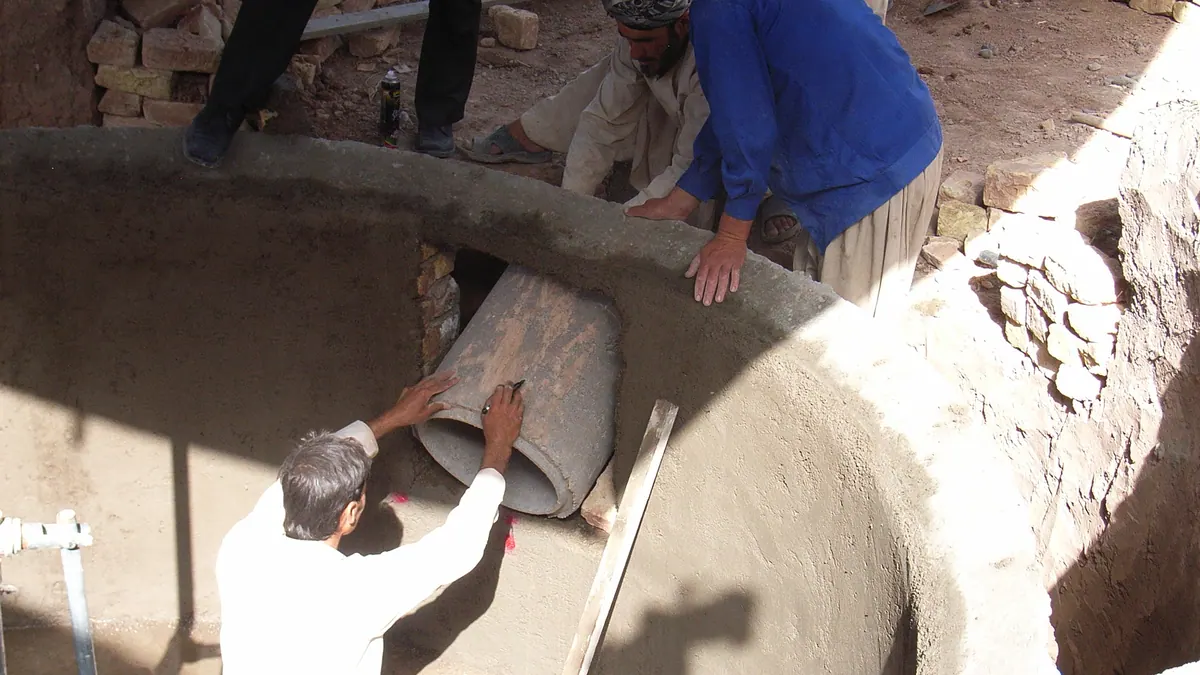
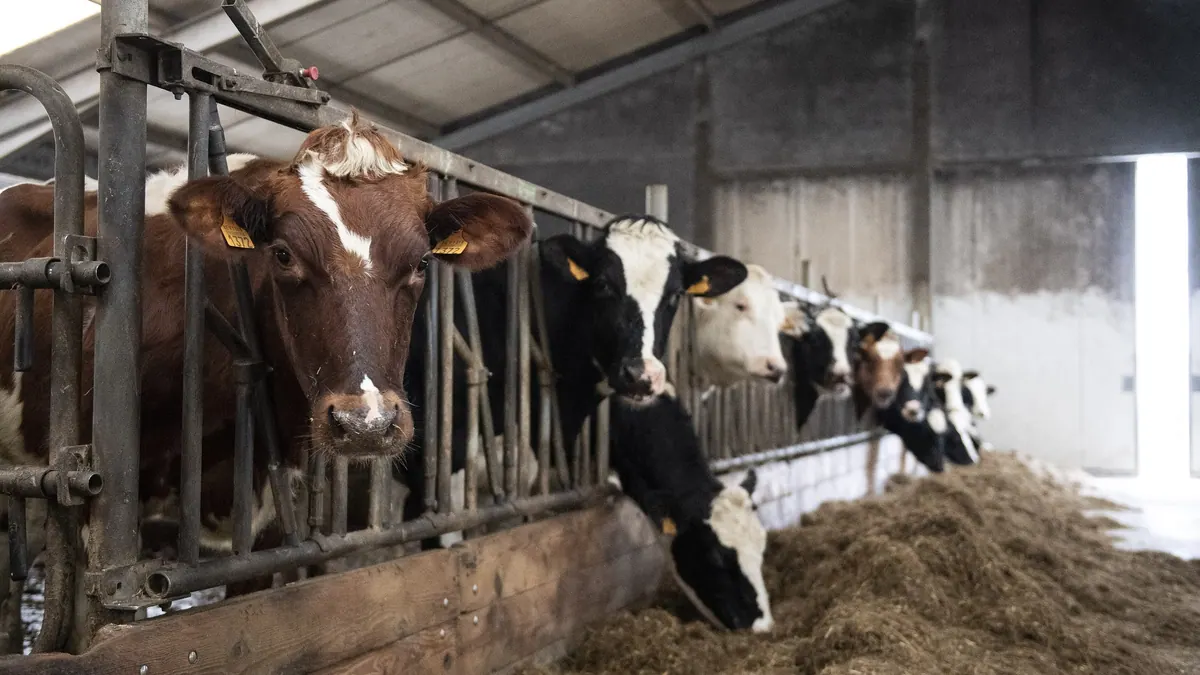
The plan provides for promoting closed manure management systems, and the overall target is a utilisation rate for livestock manure of over 80% in 2025 and over 85% in 2030. In rural areas the use of anaerobic digesters that capture methane from manure is encouraged, as is the introduction of incentives for using the captured methane for heating and power generation.
Municipal waste and landfills
The document assumes reducing waste generation at source and improving the level of recovery and use of landfill gas — without specifying figures or deadlines. By 2025 the material utilisation rate for urban household waste is to reach about 60%, and the rate of safe disposal of municipal sludge over 90%. The quantitative targets also include 6 billion m³ of coal mine gas (coalbed gas) utilised annually by 2025. The plan also stresses strengthening the monitoring, reporting and verification of methane data.
Assessment of the plan
The plan is assessed as a political signal rather than a set of hard commitments. Eco-Business quotes experts (including Li Shuo of the Asia Society Policy Institute) who are “mildly disappointed” by the lack of methane reduction targets, and Lauri Myllyvirta of CREA, who suggests that the absence of binding measures may have resulted from energy security priorities. According to gov.cn, methane accounted for 10.4% of national greenhouse gas emissions according to the latest official data, for 2014.
International context
The plan was announced during a four-day meeting of the Chinese and US climate envoys in California. The joint Sunnylands statement of 14 November 2023 committed both sides to implementing their methane plans and to setting methane reduction targets in the 2035 NDC. China has not joined the Global Methane Pledge, which assumes reducing methane emissions by at least 30% relative to 2020 by 2030.
What this means for Poland/Europe
The EU methane regulation under negotiation is to cover imported energy and will put pressure on fossil fuel exporters, including indirectly those in Asia. The Chinese plan complements this picture: it shows that a major producer and consumer of fuels is beginning to measure and report methane emissions, although without hard reduction targets. For biogas plants it means the growing importance of methane as a regulatory category worldwide.
Sources
Related articles