Global Methane Assessment: cutting emissions by 45% by 2030 would avoid almost 0.3°C by 2045
The UNEP and Climate and Clean Air Coalition report of 6 May 2021 estimates that reducing anthropogenic methane emissions by about 45% by 2030 will avoid almost 0.3°C of warming by 2045.
Other language versions: polski.
The United Nations Environment Programme (UNEP) and the Climate and Clean Air Coalition published the Global Methane Assessment report on 6 May 2021. Its conclusions: reducing anthropogenic methane emissions by about 45% by 2030 – that is, by about 180 Mt per year – would avoid almost 0.3°C of warming by 2045 and significantly improve human health and crop yields. The report became an important argument in the discussion on an international commitment to reduce methane.
Key figures
| Effect of reducing emissions by about 45% by 2030 | Value |
|---|---|
| Warming avoided by 2045 | almost 0.3°C |
| Premature deaths avoided per year | approx. 260 thousand |
| Asthma-related hospital visits avoided per year | approx. 775 thousand |
| Crop losses avoided | approx. 25 million tonnes per year |
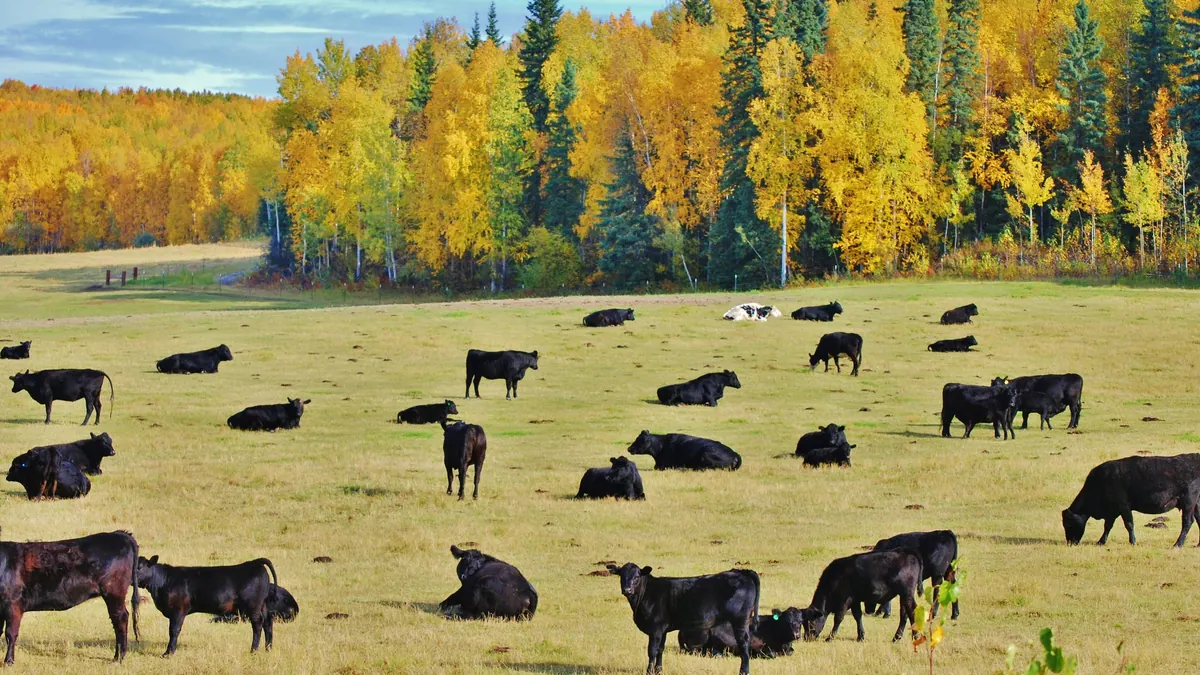
The sources of human-caused methane are mainly agriculture (including livestock farming and rice cultivation), the fossil fuel sector (extraction, transmission and distribution) and waste (landfills and sewage treatment plants). The report indicates that a significant part of the reduction can be achieved with low or negative cost measures, especially in the fossil fuel sector, but potential also exists in waste and agriculture.
What this means for biogas and waste
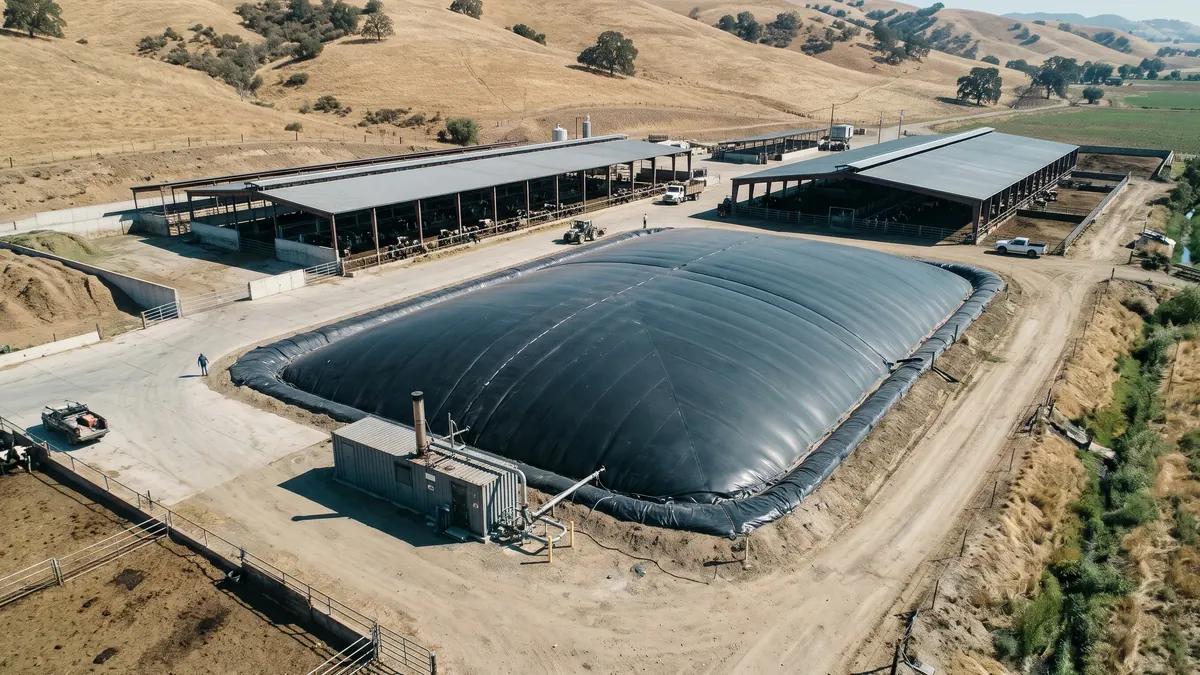
In the waste sector, important measures include landfill gas capture, limiting the landfilling of biodegradable waste, separate collection of biowaste and its processing in digestion or composting installations, and wastewater treatment with biogas recovery. In agriculture – managing natural fertilisers in biogas plants, changes in animal feeding and in manure management. Biogas and biomethane turn methane from waste into a useful fuel, which is why they are listed among solutions with double benefits: emission reduction and energy production.
Methane has a shorter lifetime in the atmosphere than CO₂ (on the order of a dozen or so years), but over a horizon of several decades it has a warming potential many times greater, which is why limiting it is considered one of the fastest ways to slow warming.
Political context
The report appeared half a year after the European Commission's methane strategy (October 2020) and a few months before the COP26 climate conference. It became a reference point for the debate on an international coalition to limit methane. For the European Union, which was preparing a legislative proposal on methane in the energy sector, it was an argument for quick action.
What next
The report's conclusions will be used by governments and international organisations when setting targets. For Polish investors, it is important that the direction of action is consistent: support for agricultural biogas plants and waste installations fits the recommendations of international assessments.
Why methane is so important
Methane accounts for a significant part of the rise in global temperature since pre-industrial times. Its concentration in the atmosphere is rising faster than in previous decades, and the sources are dispersed, so effective limitation requires action in many sectors at once. The report stresses that it complements, rather than replaces, the reduction of CO₂: without deep cuts in CO₂ emissions, limiting methane is not enough to keep the 1.5°C target.
Sources
Related articles