Rivalea in Corowa: biogas from a covered pig slurry lagoon meets 85% of peak power demand
JBS reported in July 2023 that biogas from a covered lagoon at the Rivalea plant in Corowa meets 85% of the peak power demand of the farm and abattoir; the company announced investments of more than 20 million AUD.
Other language versions: polski.
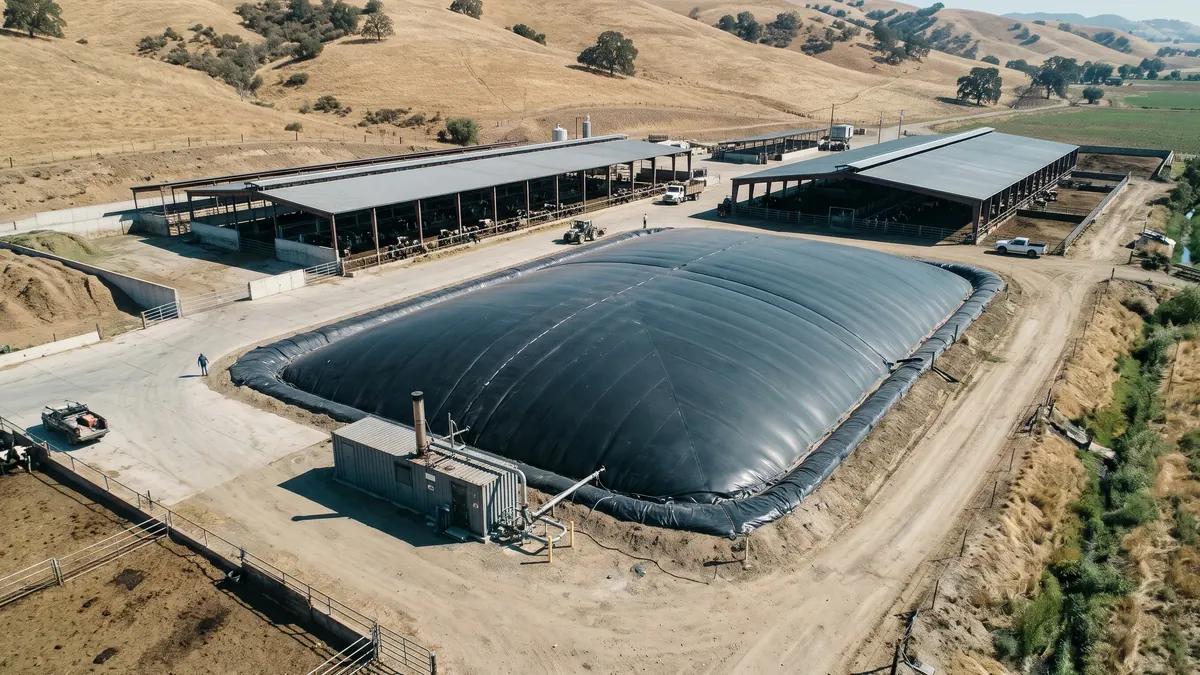
The Rivalea farming and processing complex in Corowa in New South Wales is one of the examples of pig slurry-based biogas plants in Australia. In an announcement of 13 July 2023, JBS (which has owned Rivalea since 2022) said that the methane capture technology meets 85% of peak power demand in the farming and processing part of the plant, and the remaining nutrients are used for growing crops. In the same announcement the company announced investments exceeding 20 million Australian dollars at the Corowa site.
Technical set-up
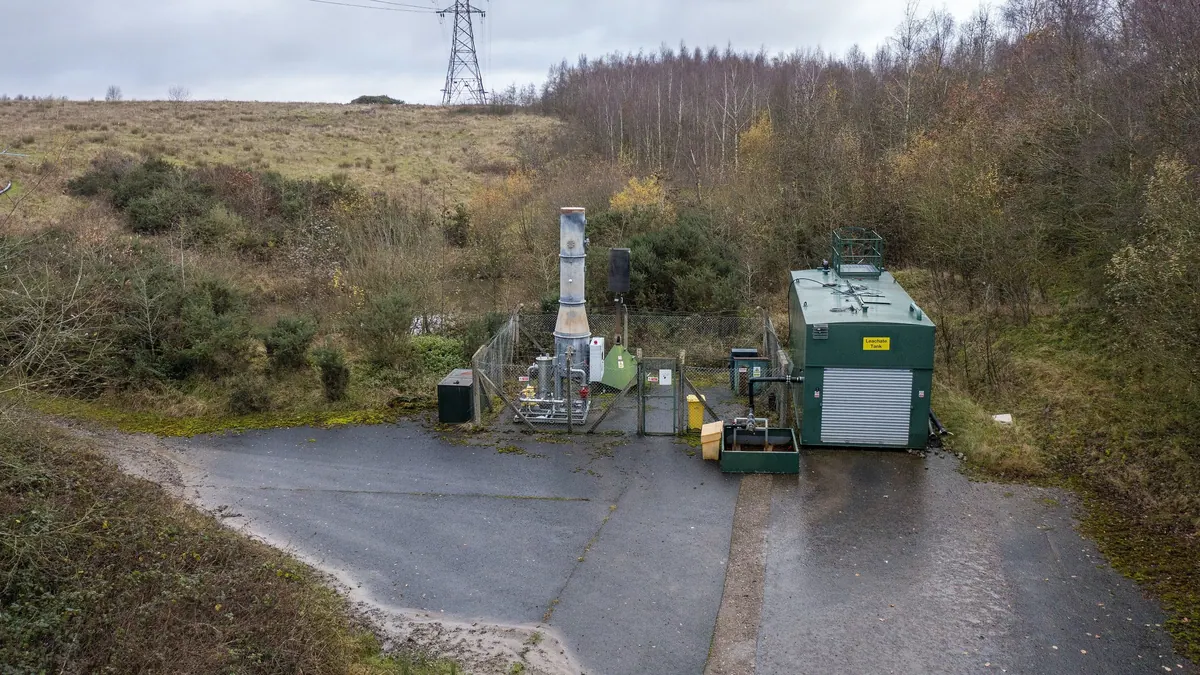
According to a case study by the German manufacturer 2G Energy, the slurry goes into a covered anaerobic lagoon with a capacity of 40 megalitres, located right next to a containerised 2G avus 500plus cogeneration unit with an output of 500 kW electrical (518 kW thermal). The unit was installed in April 2017. According to 2G it covers about one quarter of the plant's annual electricity demand, and the emissions reduction – through the destruction of methane and the avoided grid electricity use – is about 28,000 tonnes of CO₂ a year (2G does not specify whether this is a CO₂ equivalent). These are values declared by the technology supplier.
Why the figures differ
The two indicators – 85% and about 25% – do not contradict each other: the first concerns peak power demand (the JBS announcement of 2023), the second the share of annual electricity consumption (2G). The available sources (2G, JBS) give no information about additional engines or about an expansion of the system after 2017.
Carbon credits
The projects Rivalea Bungowannah Piggery Biogas and Rivalea Corowa Module 5 Piggery Biogas were in January 2013 declared by the Clean Energy Regulator eligible for the Carbon Farming Initiative under the method “Destruction of methane generated from manure in piggeries”; a total of 26 projects were approved in the programme at that time. That method was later repealed, and the regulator's register assigns the Rivalea project to a newer method concerning animal effluent management.
What this means for Poland
Poland has a large pig farming sector, and pig slurry is to a large extent managed agriculturally without methane recovery. The Corowa example shows a set-up in which biogas is used on site by the plant itself rather than sold to the grid. A covered lagoon can be regarded as an intermediate solution between an open tank and a full biogas plant, but in winter its performance falls, so in the Polish climate tanks with mesophilic digestion are more often chosen.
Sources
Related articles