BiomethaneAnalysis
Biomethane in South Africa: what the 2023 review says about biogas upgrading and commercialisation
A review in the journal Energies (July 2023) analyses biogas upgrading methods in South Africa and estimates the potential at 3 million Nm³ of biogas a day. In 2022 the industry put biogas capacity at about 30 MW.
Other language versions: polski.
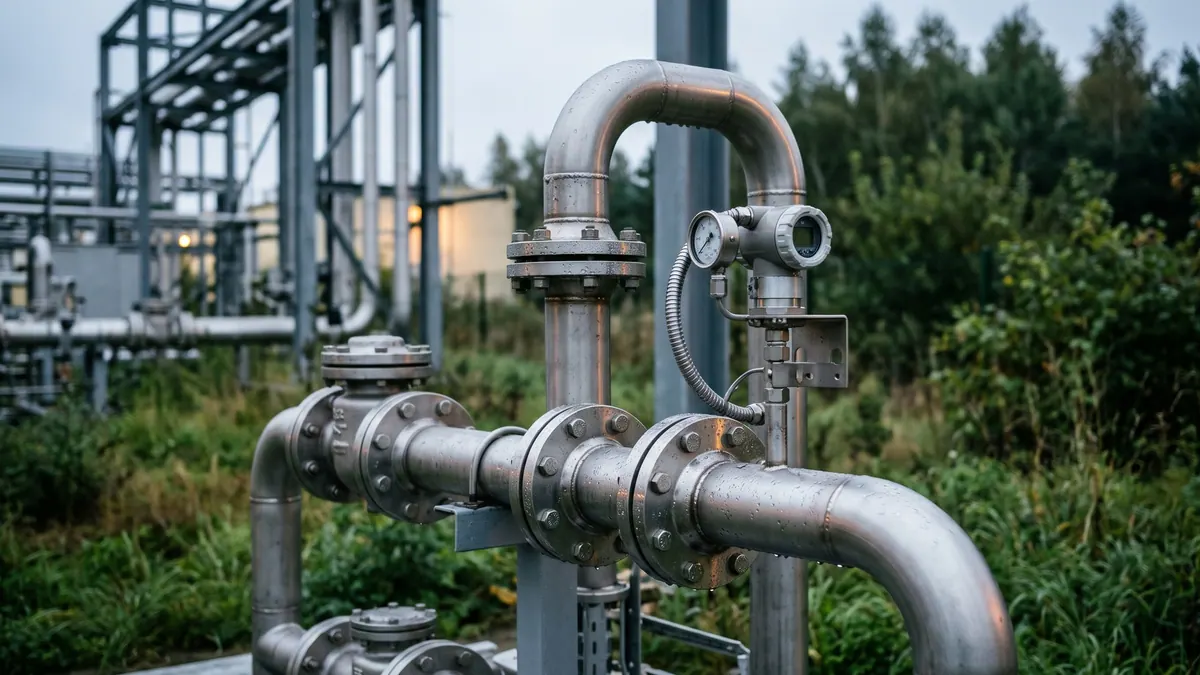
Biomethane in South Africa is at an early stage of development: in October 2022 the industry estimated that the total installed capacity of biogas installations in the country was about 30 MW, mainly in industrial projects, and the July 2023 review in Energies organises the upgrading techniques that could serve the commercialisation of biomethane. The analysis below summarises the available information and shows what is missing for the market to develop.
Starting point: the scale of biogas
The association SABIA (Southern African Biogas Industry Association) reported in October 2022 that about 30 MW of biogas capacity had been installed in South Africa in various industrial projects, most of it anaerobic digestion. This is a small scale relative to the potential of agricultural and municipal waste, but sufficient to speak of first experiences with upgrading. Biogas can be used on site in cogeneration or cleaned up to biomethane, that is, gas with parameters close to natural gas.
What the 2023 review contains
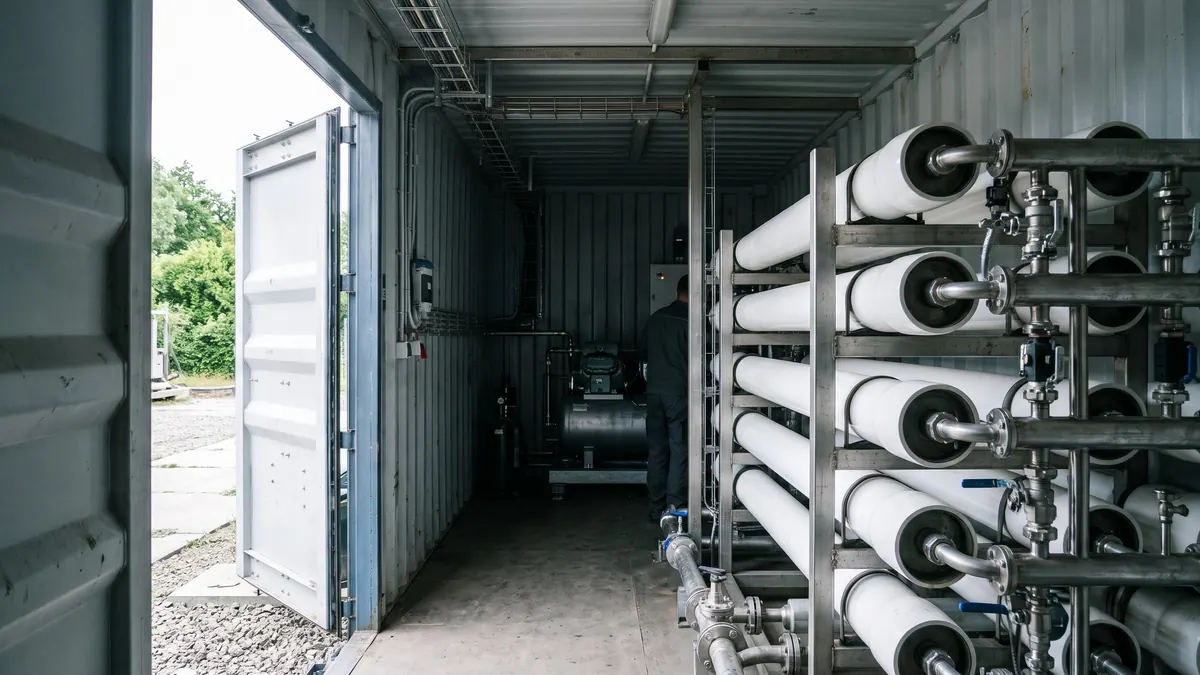
The article in Energies 16(14), 5272, published on 10 July 2023, reviews the literature of the last ten years as well as government, municipal and company websites to collect local experience of biogas upgrading; it discusses sorption, separation and in situ techniques and their costs, energy consumption and environmental effects in South Africa. The authors estimate that 3 million Nm³ of biogas a day can be produced in the country. The standard set of techniques described in the literature includes:
- water scrubbing, in which CO₂ dissolves in water under pressure; a simple technology, but with high water consumption,
- pressure swing adsorption (PSA) on adsorbent beds,
- membrane separation, advantageous for small and medium scales,
- amine absorption, with high efficiency and a high heat demand.
In Polish conditions we describe them in the articles on water scrubbing and on the pretreatment of biogas to remove H₂S and siloxanes before upgrading (Biogas pretreatment).
Why bioCNG seems more natural than the grid
We found no confirmation that an installation injecting biomethane into the gas grid operates in South Africa, so in practice the main option considered is compressing biomethane and delivering it to industrial customers, where it replaces fossil fuels. In January 2017 gasworld reported that Afrox, an industrial gases company, is cooperating with New Horizons Energy to convert organic waste destined for landfill into products useful for industry. The text of the announcement available without a subscription is short, so we do not know the details of the project or whether an installation was built.
What is missing for the market to develop
- Stable access to substrate: waste from agriculture, food processing and wastewater treatment plants is dispersed.
- A regulatory framework and certification: quality standards and an origin verification system are needed, analogous to European guarantees of origin.
- Energy and fuel prices: biomethane must compete with LPG and diesel, and support (e.g. the carbon tax, see South Africa raises its carbon tax) affects the economics.
- Financing: small projects are hard to finance without offtake contracts.
Significance for the reader from Poland
South Africa's experience is a reminder that without a customer (the grid or a vehicle fleet) upgrading makes no economic sense. In Poland the same dilemma concerns the location of biomethane plants relative to the gas grid, which we discuss in the article CHP or biomethane: choosing the pathway for biogas use.
Gas quality and standards
For biomethane to replace natural gas it must meet quality requirements: a methane content usually above 95%, hydrogen sulphide removed, limited moisture and a suitable Wobbe index. In the European Union the requirements are described by the EN 16723 standards (separate parts for grid injection and for vehicle fuel). We found no description of a uniform national equivalent of these standards for biomethane in South Africa, so in projects based on an agreement with a specific customer it is worth agreeing the quality parameters in advance.
An indicator worth tracking
For every biomethane project, what is key is the so-called methane loss in upgrading (how much methane escapes with the CO₂ waste stream). Technologies differ in this respect, and the choice affects not only the economics but also the climate balance of the installation.
A note on sources
The description of the review is based on its title and the abstract available publicly; detailed cost comparisons and the results of individual technologies should be taken from the full text of the article. The figures on biogas capacity in South Africa come from an industry association and are estimates.
Sources
Questions and answers
Does biomethane grid injection operate in South Africa?
We found no confirmation of an operating installation injecting biomethane into the grid in South Africa. The projects described mainly concern compressed bioCNG supplied to industrial customers.
Related articles