BiomethaneEvent
Air Liquide launches a biomethane business in China. The first project is in Jiangsu province
Air Liquide announced China's first biomethane project from agricultural and livestock waste in Huai'an, with annual production of about 75 GWh and injection into the city gas network.
Other language versions: polski.
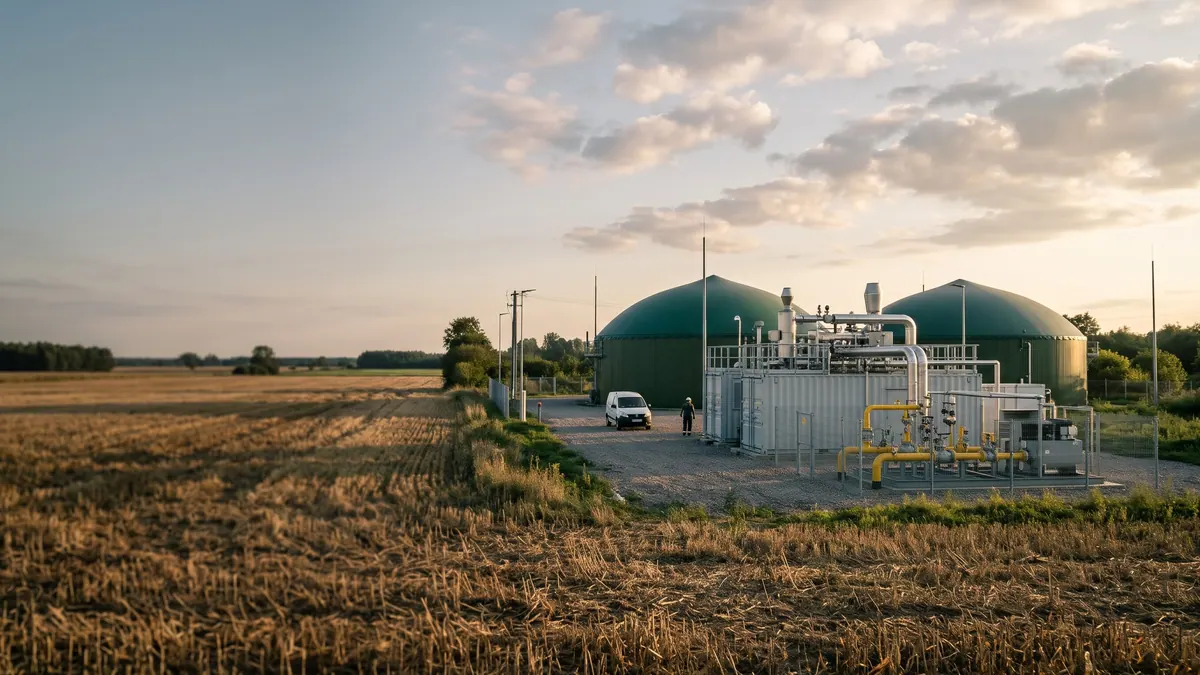
The French group Air Liquide announced in July 2022 the start of a biomethane business in China. The first project in Huai'an, in Jiangsu province, is to process agricultural and livestock waste from local farms into biogas and then upgrade it to biomethane, with annual production of about 75 GWh. The biomethane is to be injected into the city gas network, and start-up of the plant was announced for the end of 2022.
Project details
According to gasworld, the plant, with annual production of 75 GWh, will convert agricultural and livestock waste from local farms into biogas and then into biomethane. Bioenergy International adds that the biomethane will go into the city gas network used by households, and the plant will also generate electricity for its own needs and pass the surplus to the power grid. According to the same source, Air Liquide has invested in the unit and will manage it.
This is the classic “biogas–biomethane–grid” model known from Europe. The sources do not give the investment cost, the upgrading technology used or the local partners, so we do not quote them here. Nor have we confirmed in open sources whether the plant started up as planned.
Why it matters
The project shows that an experienced foreign operator has judged the Chinese biomethane market worth entering, and on agricultural and livestock feedstock rather than municipal waste.
What is confirmed and what is not
Confirmed in both sources: the location (Huai'an, Jiangsu), annual production of 75 GWh, the feedstock (agricultural and livestock waste from local farms), the direction of sale (the city gas network) and the announcement of start-up by the end of 2022. Not stated: the investment cost, the upgrading technology, the gas offtake price, the number and location of supplier farms and the way the digestate is managed.
What this means for Poland/Europe
The entry of European groups into Chinese biomethane proves that upgrading technology and operating know-how are an export product. For the Polish market the conclusion is practical: a model based on agricultural and livestock waste from local farms, with injection into the city network, is repeatable, and its profitability is decided by the gas offtake price.
Sources
Related articles