BiomethaneEvent
Denmark: biomethane is already nearly a quarter of the gas in the grid. A record at the end of 2021
The Danish operator Energinet reported that biomethane made up almost 25% of gas in the national grid at the end of 2021, compared with 21% a year earlier. Denmark sets the standard for countries building a biomethane market.
Other language versions: polski.
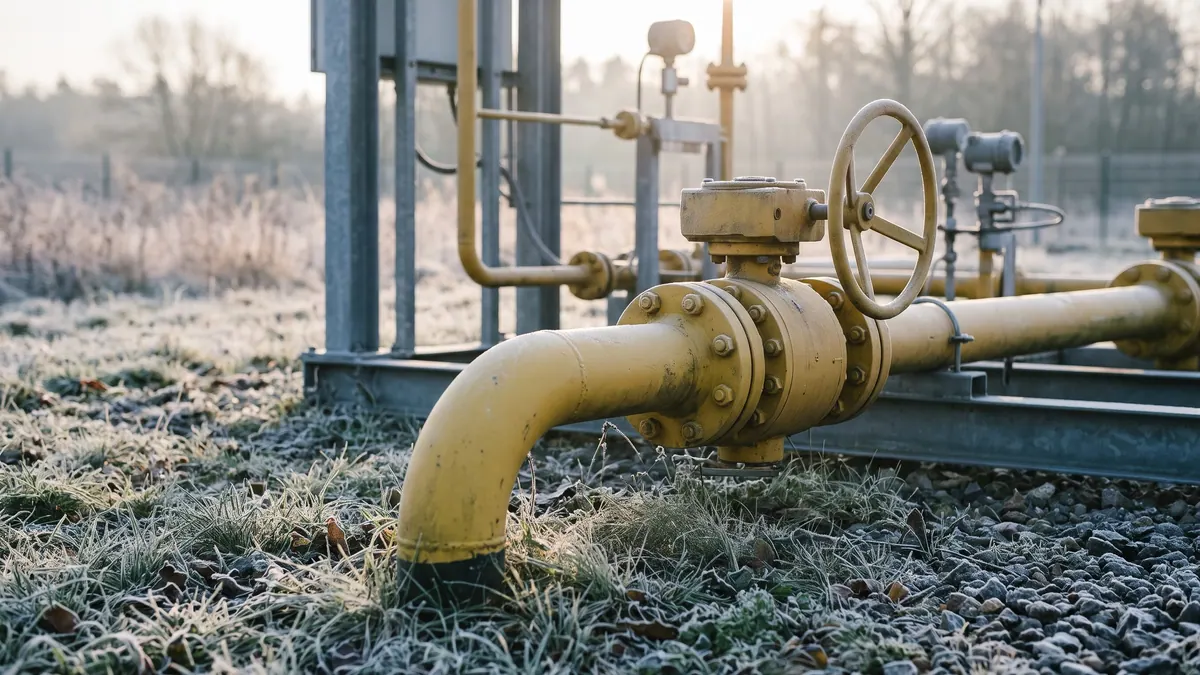
Biomethane made up almost 25% of the gas flowing through the Danish gas grid at the end of 2021, the system operator Energinet announced. A year earlier the share was 21%. Denmark remains one of the most advanced biomethane markets in Europe and shows what the share of renewable gas can look like in a system in which biogas is now used to produce not only electricity and heat but, above all, a fuel with the parameters of natural gas.
What is changing
Biomethane is biogas cleaned of carbon dioxide, hydrogen sulphide and water to a quality that meets grid requirements. In Denmark, year by year there are more installations that do not burn biogas in a cogeneration engine but upgrade it (most often with membrane technologies or scrubbers) and inject it into the transmission or distribution grid. The result is a rapid rise in the share of renewable gas: 21% at the end of 2020 and almost 25% at the end of 2021.
For the gas system this means a real change in the fuel mix. Renewable gas is delivered to industrial customers, to heating and for transport, and certificates confirming the origin of biomethane can be traded independently of the physical flow of molecules in the pipes.
Significance for the industry in Poland
In Poland the beginning of 2022 is still a stage of building foundations: agricultural biogas plants work primarily in cogeneration, and upgrading to biomethane and injecting it into the grid is only beginning. There is not yet a complete regulatory environment – the draft amendment to the Act on Renewable Energy Sources, which is to introduce a definition of biomethane, a register of producers and guarantees of origin, is in the course of legislative work.
The Danish experience shows several conditions for success:
- predictable, long-term support for producers,
- efficient connection of installations to the grid,
- common gas quality standards,
- a certificate system guaranteeing that biomethane can be sold to final customers as renewable gas.
The comparison has its limits: Denmark has a dense gas grid, a large feedstock base (including slurry) and a long tradition of biogas. Poland, for its part, has enormous agricultural and waste potential, but unlocking it requires creating a market from scratch.
Why this matters beyond Denmark
A high share of biomethane in one country shows that renewable gas is not a niche but a full component of the gas system. At the same time, two elements are growing in importance: the certificate market, which makes it possible to sell the "green" attribute of the gas to customers, and network services such as gas quality measurement and balancing. The network operator must cope with the fact that biomethane is injected at many points, often at lower pressures, while customers expect constant fuel parameters.
From a European perspective, Denmark's experience is also important because countries such as Poland, France, Italy and Germany are only creating or expanding their own support systems. Conclusions from the Danish market – on the importance of predictable regulation and fast connection – will keep returning in discussions of the EU target for biomethane.
What next
Denmark announces a further rise in the share of biomethane, and the government aims to replace natural gas with renewable gas in the coming years. For Polish investors this is a signal that investments in biomethane plants make sense with a stable legal framework. In the coming months it is worth following work on the Polish amendment to the Act on Renewable Energy Sources and announcements by grid operators on the conditions for connecting biomethane installations.
Sources
Questions and answers
Why does Denmark have such a high share of biomethane?
Danish biogas plants have benefited from stable support for years, and the gas, once upgraded, enters a well-developed gas grid that makes it possible to take biomethane from many plants.
Related articles