The Ambassador project: a 20-kilometre pipeline for a biomethane plant in Poland and liquid CO₂ for the food industry
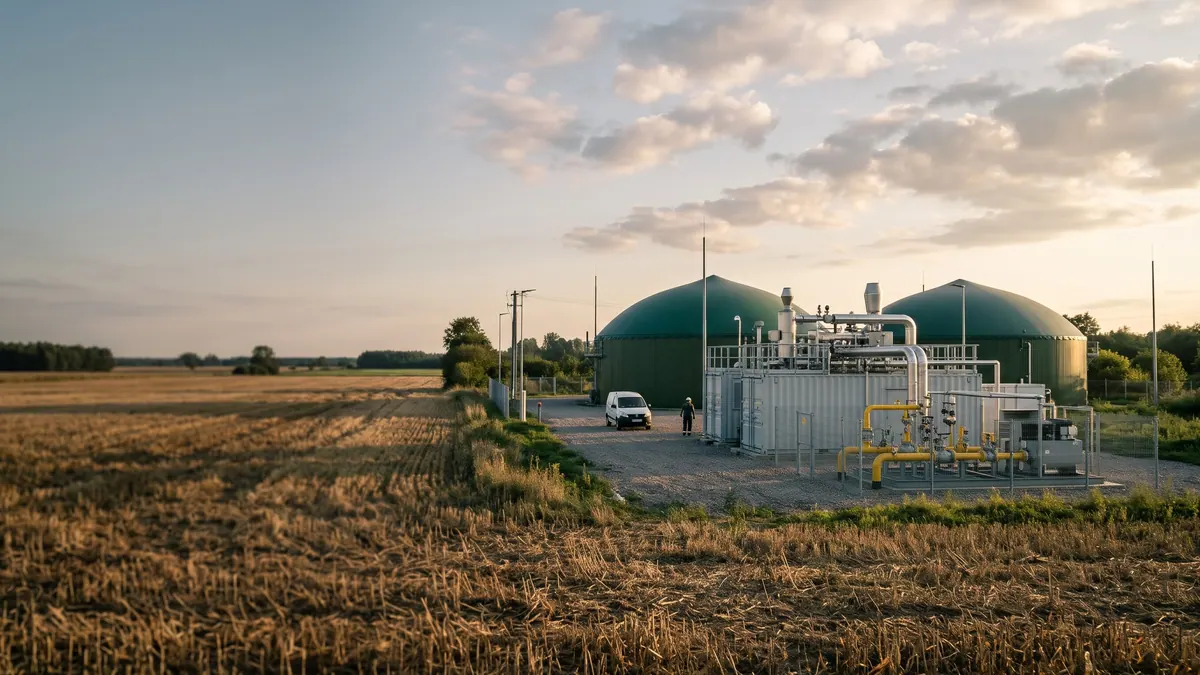
BZK Energy has commissioned Tesgas to build a 20 km medium-pressure pipeline to the Ambassador biomethane plant; it is to connect the installation to the GAZ-SYSTEM transmission grid by the end of November 2027. Planned production: more than 5 million m³ of biomethane and about 4 million m³ of CO₂ per year (gas volume).
Other language versions: polski.
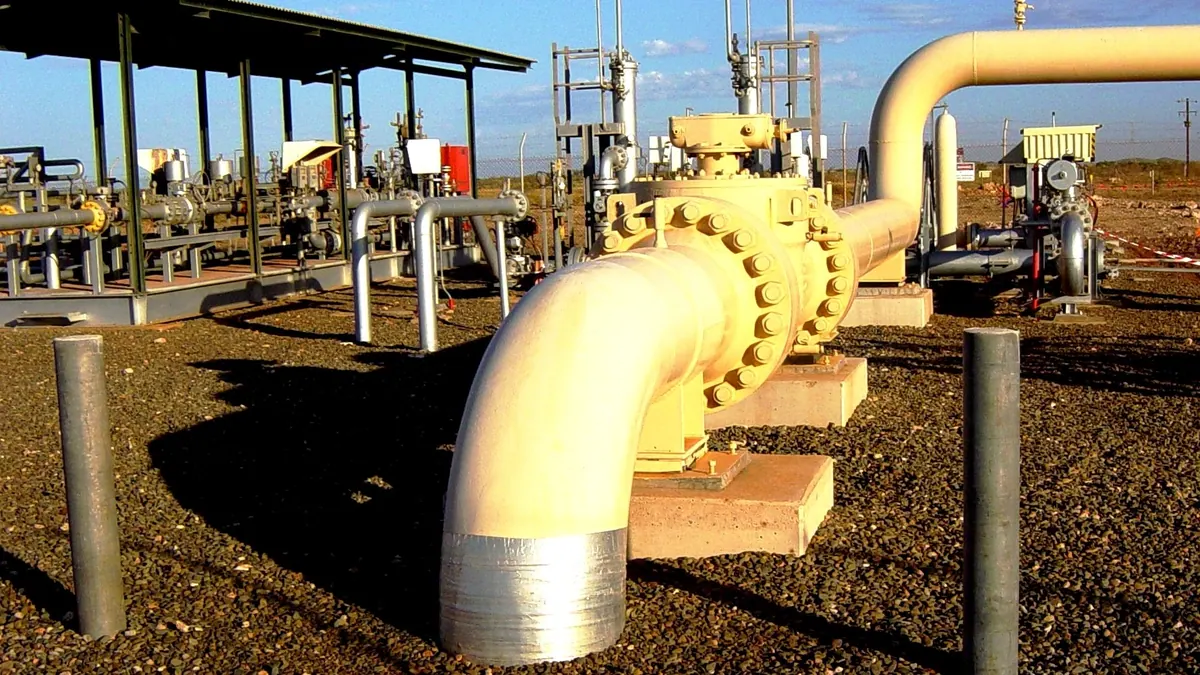

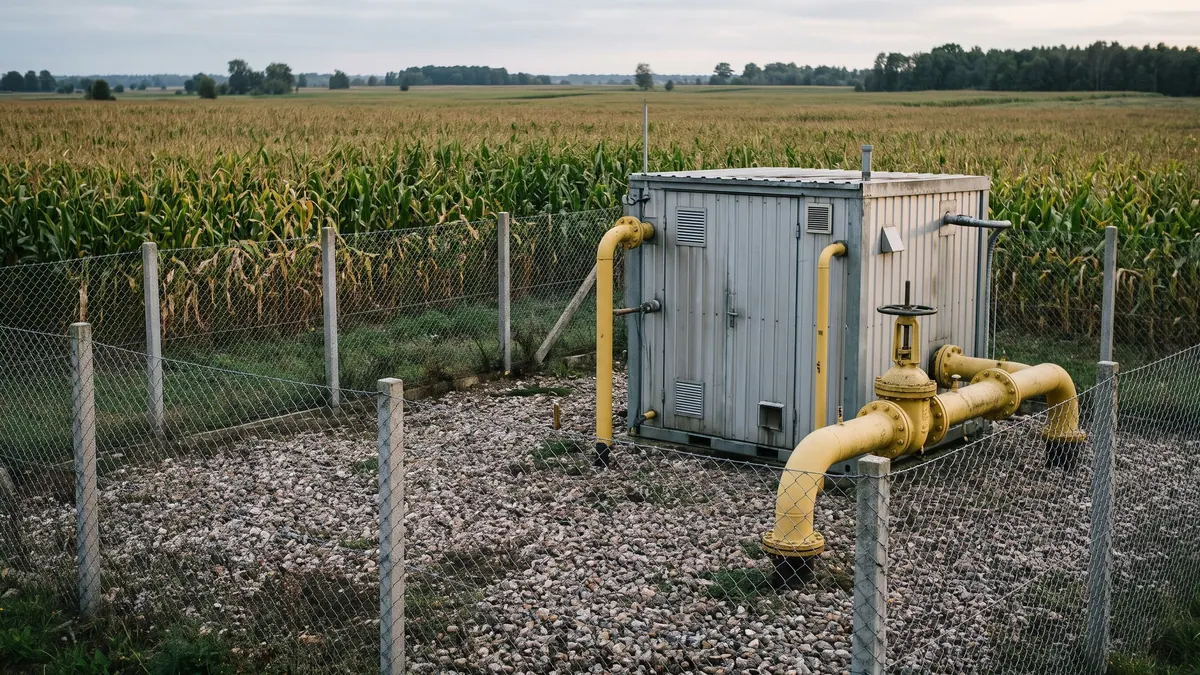
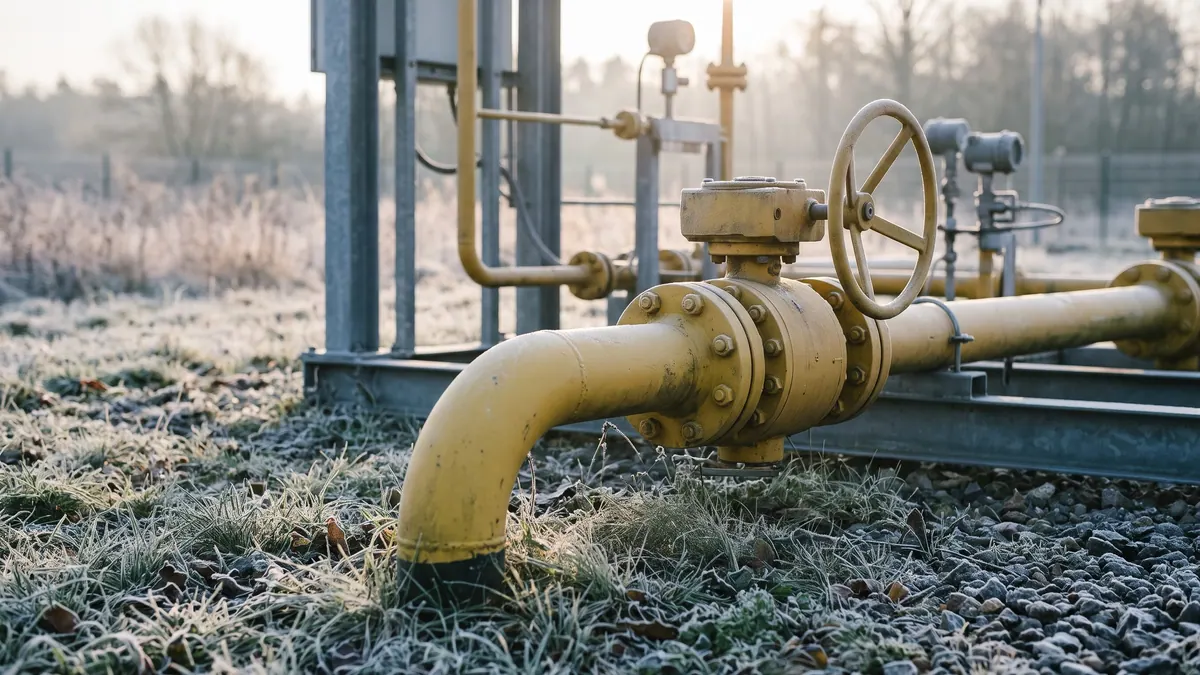
BZK Energy, the investor in the Ambassador biomethane plant, signed an agreement with Tesgas for the construction of a pipeline that is to connect the installation to the national GAZ-SYSTEM transmission system. The information was published on 13 August 2026. The medium-pressure pipeline, 20 km long, is – according to the announcement – the longest in Poland built solely for the needs of a biomethane plant. The source does not give the location of the installation.
Project parameters
Tesgas will prepare the full design documentation and build the pipeline together with the connection infrastructure to the GAZ-SYSTEM transmission grid. The completion deadline is the end of November 2027. The biomethane plant is being built by Atlas Ward and Biowatt. The installation is to produce more than 5 million m³ of biomethane per year and about 4 million m³ of CO₂ (gas volume; after liquefaction this is of the order of 8 thousand t) intended for the food industry; digestate may be used as an organic fertiliser. The project declares an emission reduction of 277% relative to natural gas (a negative carbon footprint) and avoidance of more than 256 thousand tonnes of CO₂e over the first five years. The tender for the contractor was assessed against the criteria: price (42%), process efficiency (35%) and experience of key personnel (15%); the source does not give the remaining 8% of the weightings.
The financing includes support from the programme European Funds for a Modern Economy (FENG), in the STEP component, and almost EUR 8 million from the EU Innovation Fund. The source does not indicate the legal basis for delivering the pipeline.
Why it matters
The connection described is, according to the material, the first connection of a biomethane plant to the GAZ-SYSTEM transmission grid in Poland. Until now injection has taken place into the distribution grid of Polska Spółka Gazownictwa. A longer, dedicated pipeline makes it possible to reach points with sufficient absorption capacity: the transmission grid has high pressures and large flow, which reduces the problem of summer gas surplus in distribution grids. It is a costly solution, so sensible for large and well-located installations.
Two products
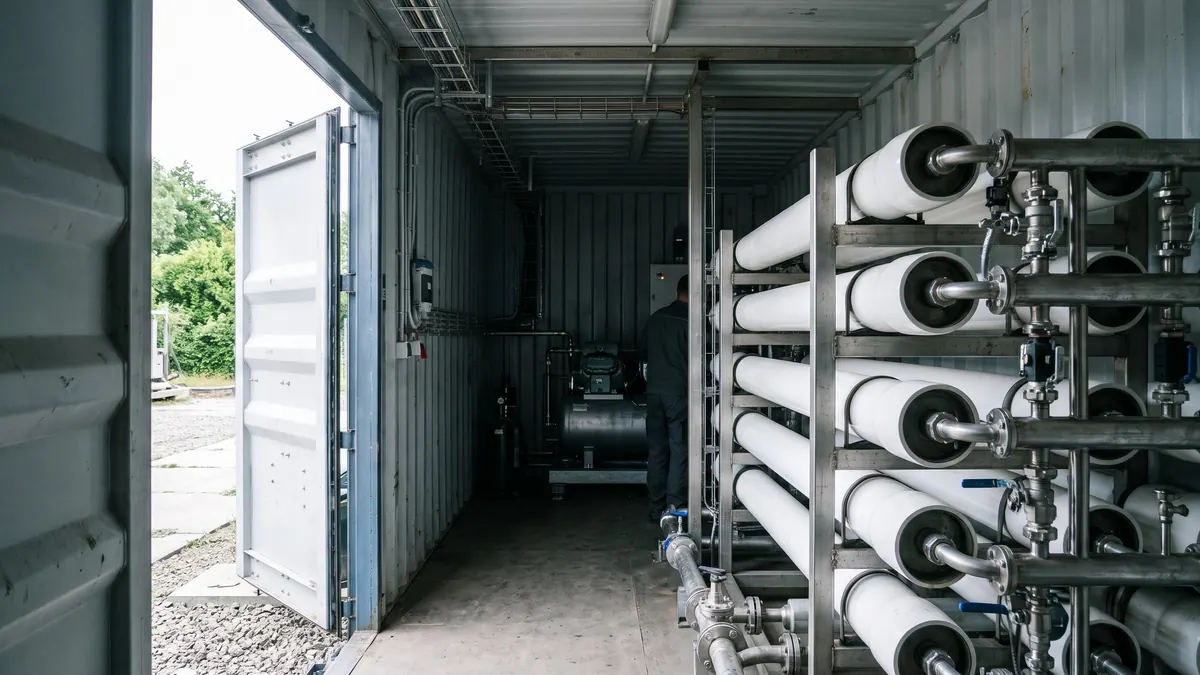
Combining biomethane with liquid CO₂ is an example of a "two-product" biomethane plant: CO₂ separated during upgrading is not lost but liquefied and sold. This improves the project's economics and lowers its emissions footprint if the buyer is the food industry or, in future, storage installations. The EBA estimated in 2025 that biogenic CO₂ from biomethane plants could cover more than a quarter of the EU's capture target by 2040.
Significance for the industry in Poland
For investors the project shows an alternative to the long wait for a connection to the distribution grid. For the transmission operator it is a new type of user – a gas producer. For the regulations it will matter how direct pipelines and producers' connections are defined once the amendment to the Act on Renewable Energy Sources (ustawa o OZE) enters into force.
What to watch
The declared reduction of 277% and negative footprint result from the methodology for accounting for digestate and CO₂ capture – these are values declared by the project, requiring certification verification. It is also worth checking how the financing from the Innovation Fund combines with other forms of aid.
Sources
Related articles