BiomethaneEvent
Blunomy and ENA report: Australia could recover about 400 PJ of biomethane per year
A Blunomy report for Energy Networks Australia (31 July 2025) estimates the biomethane potential at about 400 PJ per year; the first 50 PJ could cost AUD 10–27/GJ.
Other language versions: polski.
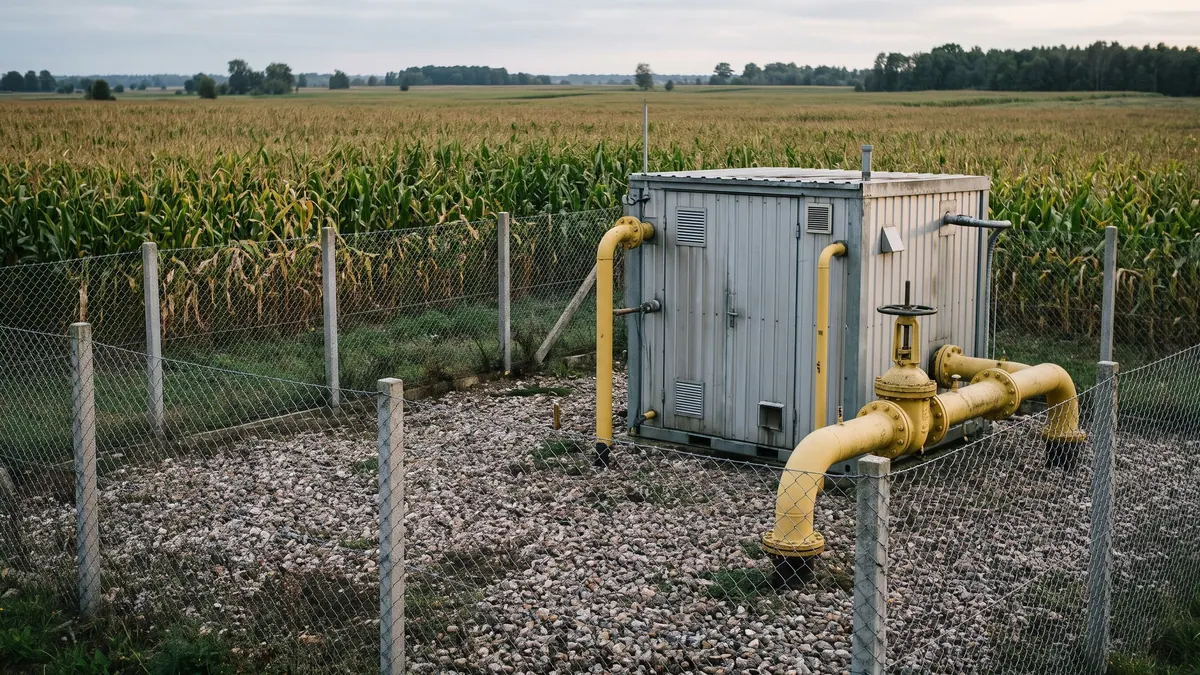
Energy Networks Australia (ENA) published on 31 July 2025 a report by Blunomy, according to which Australia could recover about 400 PJ of biomethane per year from existing feedstock streams. This would mean being able to cover up to 96% of current gas demand on the east coast. The report estimates that the first 50 PJ may cost 10–27 Australian dollars per gigajoule.
Which feedstocks
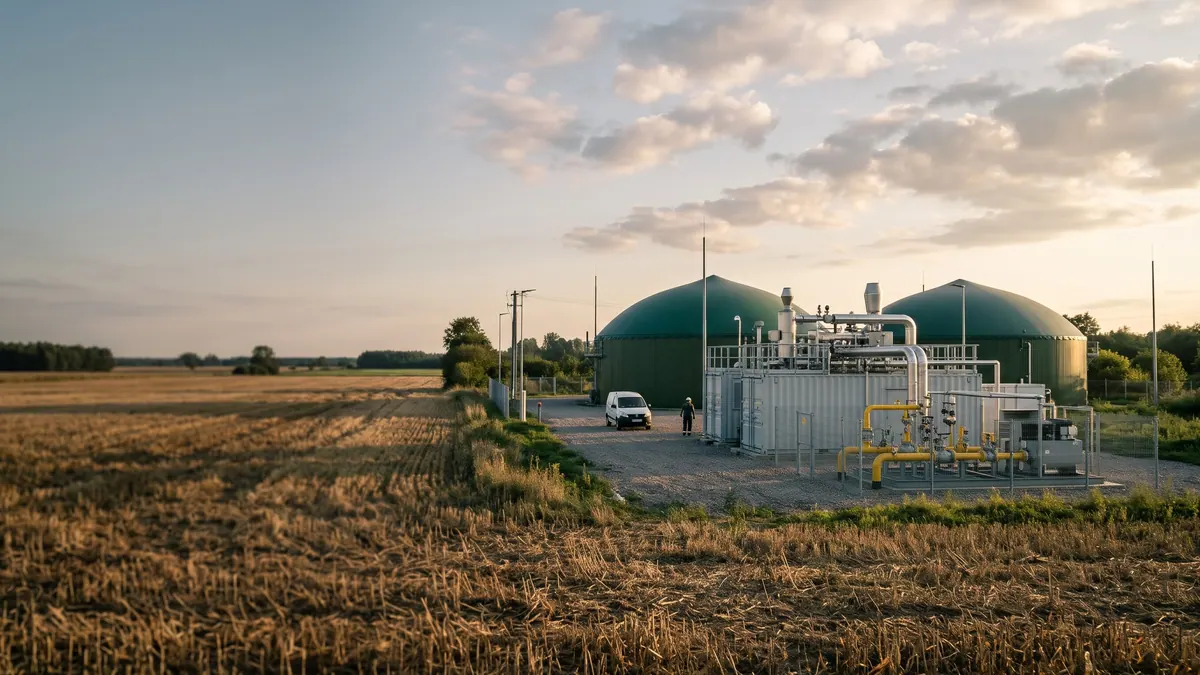
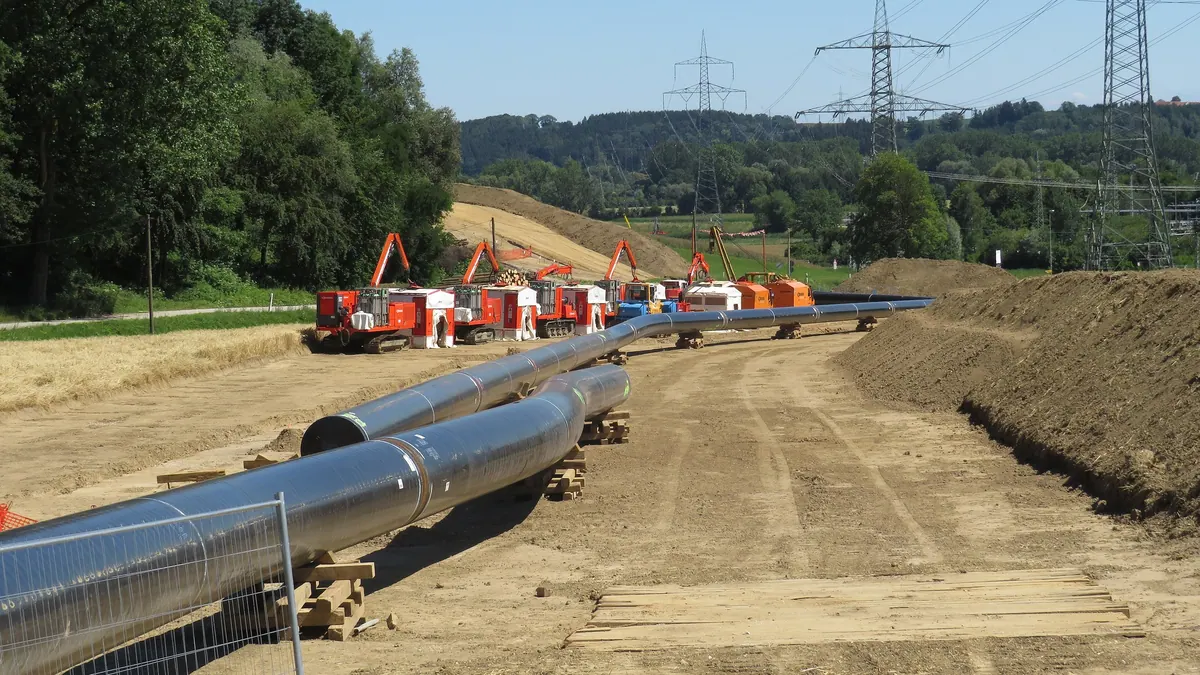
The report lists food and garden waste, agricultural residues and livestock by-products. These are streams that are available today – currently landfilled, flared or composted – and could feed biogas plants. The authors stress that the gas grid infrastructure already exists, which lowers distribution costs compared with building new pipelines or power lines.
Recommendations
ENA points to four directions:
- include biomethane in policies and programmes supporting the decarbonisation of industry,
- extend the Hydrogen Headstart programme and the hydrogen tax incentive to biomethane as well,
- establish clear targets and policies ensuring access to feedstocks and market development,
- joint action by governments, industry and regulators for ambitious targets.
Why the numbers should be read with caution
Technical potential is not the same as economic potential. A summary of a Future Fuels CRC report from June 2022 estimated the levelised cost of energy (LCOE) of biomethane mainly in the range of AUD 10–25/GJ, and for the largest sites AUD 15–25/GJ, that is above the gas price of about AUD 10/GJ assumed in that study. The differences result, among other things, from assumptions about plant scale, feedstock logistics and the availability of customers; the most favourable sites lie near large cities.
Place in the policy context
The report appeared at a time when the federal government was developing the Guarantee of Origin scheme and hydrogen support programmes. Biomethane is not covered by Hydrogen Headstart, and establishing its place in policy remains an industry demand.
What this means for Poland
The Australian dispute of “potential versus costs” resembles the Polish discussion about biomethane. For investors two questions are key: where the feedstock lies relative to the grid, and who will pay the premium price for renewable gas. Until there are contracts with industrial customers or a support scheme, even a lower cost on paper does not translate into projects.
Sources
Related articles