BioLNG and bioCNGAnalysis
Methane slip in LNG engines: engine types and the impact on the GHG balance
Gas engines do not burn all the methane; unburnt CH₄ (slip) worsens the GHG balance of bioLNG. We compare road and marine engine types and convert slip into gCO₂e/MJ.
Other language versions: polski.
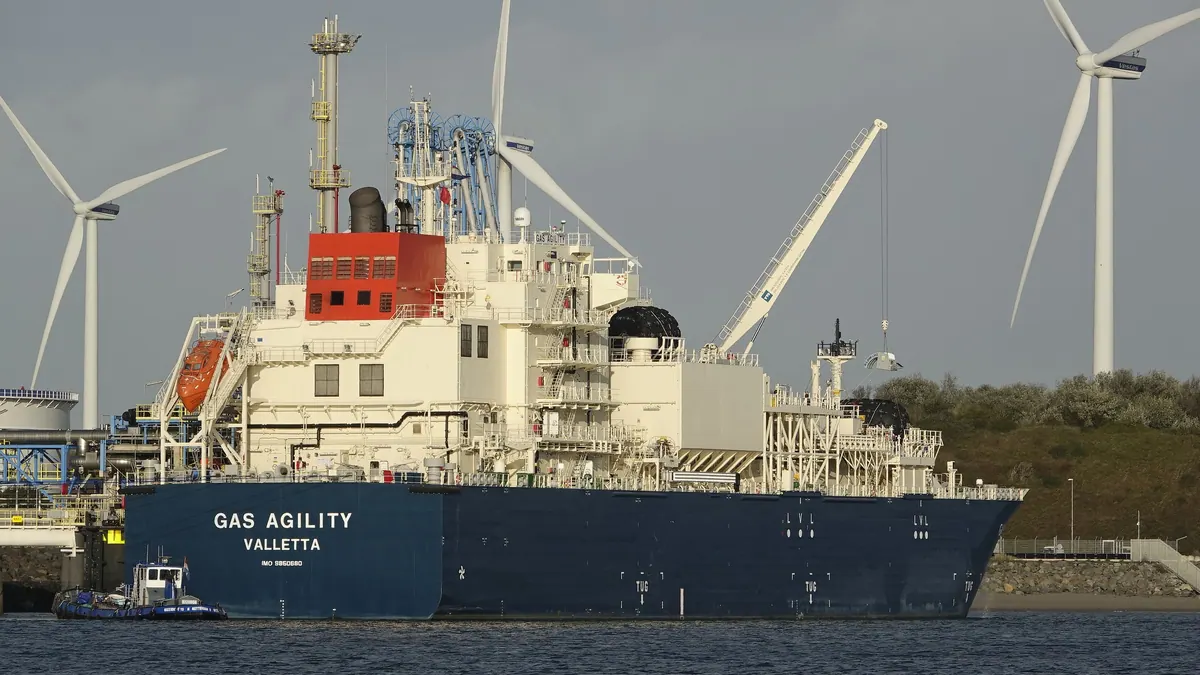

Gas-fuelled engines do not burn all the methane: a small part passes through the combustion chamber unburnt and ends up in the exhaust as so-called methane slip. Because methane is a potent greenhouse gas, slip worsens the emissions balance, even when the fuel is bioLNG. The size of the slip depends on engine type, load, air-to-fuel ratio and tuning. In the FuelEU Maritime regulation the default values differ by marine engine type – from about 0.2% to over 3% of the mass of fuel consumed.
Converting slip into gCO₂e/MJ
Methane has a calorific value of about 50 MJ/kg. A slip of s (as a fraction of fuel mass) means s kg of unburnt CH₄ per kg of fuel, i.e. s/50 kg per MJ. Emissions in gCO₂e/MJ = s/50 × 1000 g × GWP. For GWP₁₀₀ = 28:
| Slip | Additional emissions |
|---|---|
| 0.2% | 0.2/100 / 50 × 1000 × 28 ≈ 1.1 gCO₂e/MJ |
| 1.0% | ≈ 5.6 gCO₂e/MJ |
| 1.7% | ≈ 9.5 gCO₂e/MJ |
| 2.6% | ≈ 14.6 gCO₂e/MJ |
| 3.1% | ≈ 17.4 gCO₂e/MJ |
For a 20-year horizon (GWP of about 80–84) the values would be roughly three times higher.
Engine types
FuelEU Maritime distinguishes several categories of LNG engines, for which default slip values have been set (the values may be updated; always check the current annex): among others, medium-speed dual-fuel spark-ignition engines (slip in the order of a few per cent), low-speed dual-fuel spark-ignition engines (about 1.7%), low-speed dual-fuel compression-ignition engines (about 0.2%) and lean-burn spark-ignition engines (about 2.6%). In road transport the values depend on the technology: stoichiometric engines with a three-way catalyst usually have low slip, HPDI dual-fuel engines have a different emissions profile, and lean-burn engines without additional systems have higher slip.
Where slip comes from
- Low load: poorer combustion, cold chamber walls.
- Crevices and dead volumes in the chamber: gas does not reach the flame.
- Scavenging of the cylinder in two-stroke and dual-fuel engines: part of the mixture escapes.
- A mixture that is too lean or too rich.
- Catalyst ageing and contamination.
Reduction
- choosing an engine with low slip (e.g. a dual-fuel compression-ignition engine, a stoichiometric engine with a catalyst),
- optimising control and avoiding prolonged operation at low load,
- using methane oxidation catalysts (difficult because of the stability of CH₄ and the temperature required),
- exhaust gas recirculation and design changes,
- in shipping – choosing other fuels or hybrid systems.
Worked example for a ship
Assumptions: a ship consumes 10,000 t of bioLNG per year (energy 500 TJ at 50 MJ/kg), slip 3.1%. Unburnt methane: 310 t. At GWP₁₀₀ = 28 this is 8680 t CO₂e per year. If the engine is changed to a type with 0.2% slip, slip emissions fall to 20 t CH₄ and 560 t CO₂e, i.e. by more than 8000 t CO₂e per year. For comparison, the CO₂ from burning this amount of fuel would be about 27,500 t (10,000 × 2.75), but it is biogenic and is not counted in the balance under the FuelEU rules.
Conclusions for suppliers and shipowners
- Choosing bioLNG alone does not guarantee low emissions; a suitable engine is needed.
- Fuel contract terms should take GHG documentation and engine parameters into account.
- bioLNG producers can compete on production footprint, but they do not control slip at the customer's end.
- Regulations will continue to develop the methodology for calculating slip.
Where to find current values
The default slip values in FuelEU Maritime are contained in the annexes to the regulation and may be updated by delegated acts, so use the current version of the text from EUR-Lex for calculations. Shipowners may also use actual values based on certified measurements, if the verifying bodies accept them. In road transport, data from engine manufacturers and studies by independent institutes are the basis for assessing slip, and test standards do not always cover unburnt methane, so it is worth asking suppliers about it.
Summary
Methane slip in engines is a factor that can cancel part of the benefits of bioLNG. Choosing the right technology and optimising engine operation limit this effect.
Sources
Related articles