BioLNG and bioCNGEvent
FuelEU Maritime applies from 1 January 2025. What does it mean for bioLNG in shipping?
From 1 January 2025 ships above 5,000 GT calling at EU ports must progressively reduce the GHG intensity of the energy they use. BioLNG is one of the fuels that help meet this requirement.
Other language versions: polski.
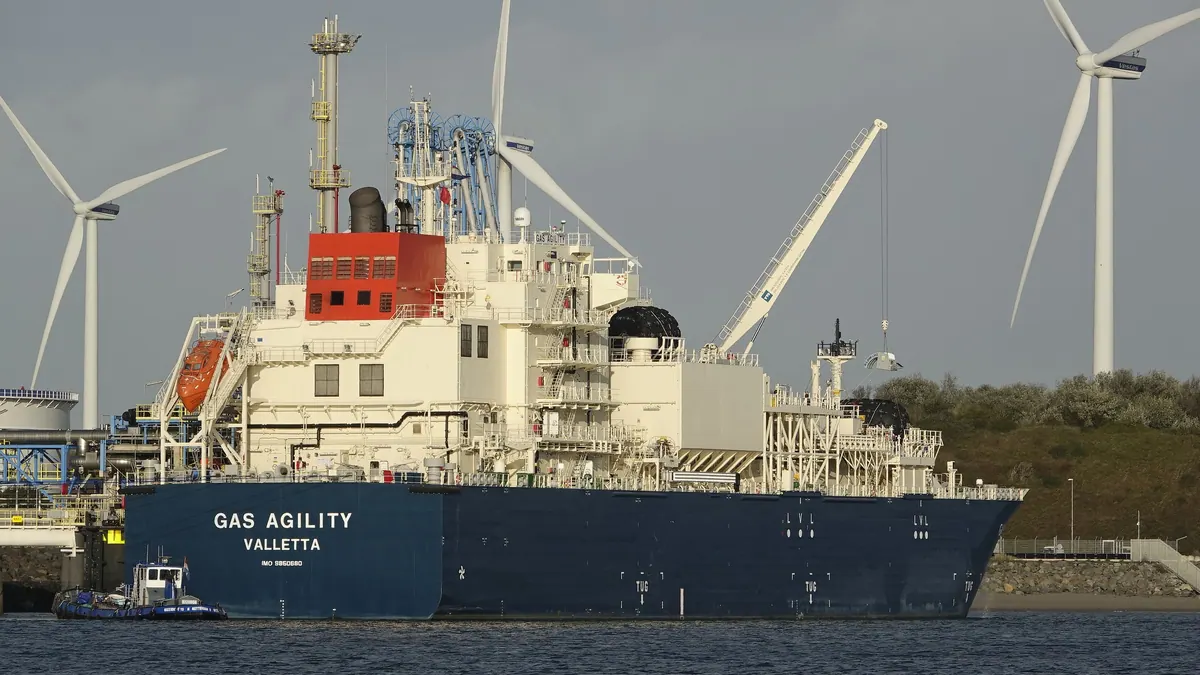

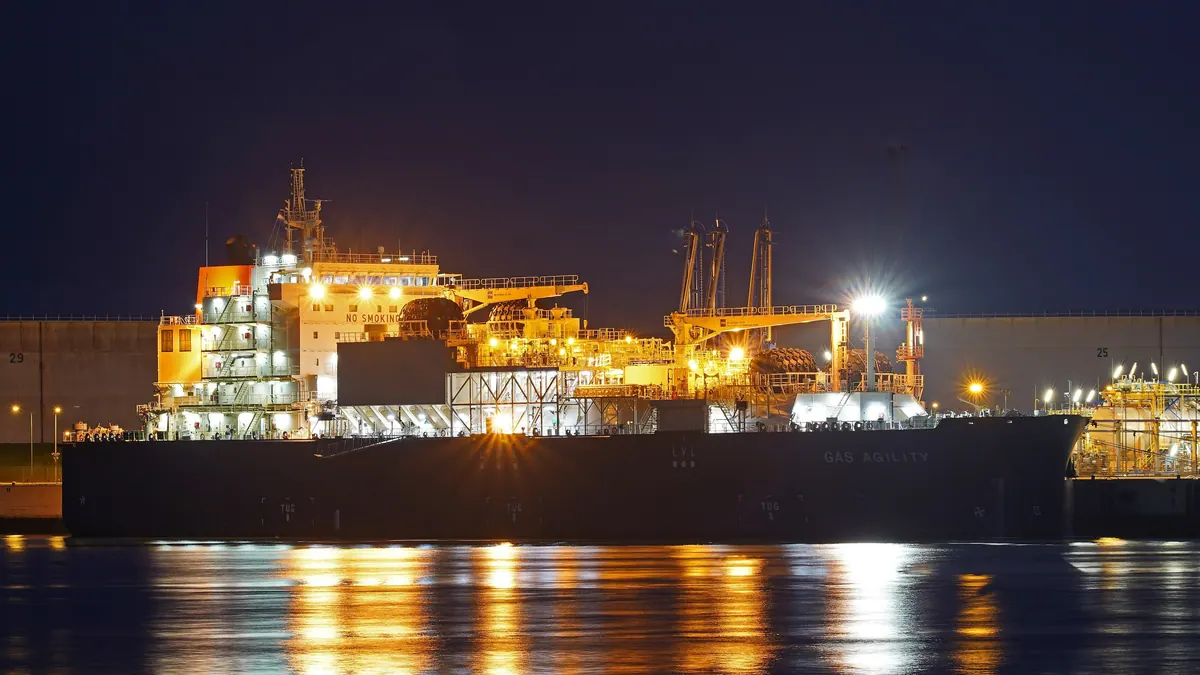
From 1 January 2025, Regulation (EU) 2023/1805, known as FuelEU Maritime, applies. It covers ships with a gross tonnage above 5,000 GT calling at EU ports and requires a progressive reduction of the greenhouse gas intensity of the energy used on board. For the biomethane industry this is one of the most important demand impulses in maritime transport at European scale, because liquid biomethane (bioLNG) can be a compliant fuel for LNG-powered ships.
What the regulation requires
It does not impose a specific fuel, but a limit on emission intensity, calculated in grams of CO₂ equivalent per megajoule of energy, on a "well-to-wake" basis. The required reductions relative to the 2020 reference level are: 2% from 2025, 6% from 2030, 14.5% from 2035 and 80% by 2050. A shipowner who exceeds the limit pays a penalty; one whose ship has an emission intensity below the limit (a compliance surplus) may carry the surplus over to subsequent periods or transfer it to others within shared pools.
For LNG-powered ships, the way of calculating is key: ordinary LNG is not enough to meet the requirements over a longer horizon, but blending it with low-emission-intensity bioLNG makes it possible to lower the indicator quickly without replacing engines.
The role of bioLNG
BioLNG is produced by upgrading biogas to biomethane and liquefying it cryogenically. To count towards compliance, the fuel must have a sustainability certificate and an emission reduction compliant with the RED Directive, which forces registration in tracking systems (in the EU ultimately in the Union Database). For this reason port suppliers, such as terminal operators, are obtaining ISCC EU certificates and building settlement chains for "virtual" biomethane injected into the grid and collected as liquefied gas at the port.
Significance for the industry in Poland
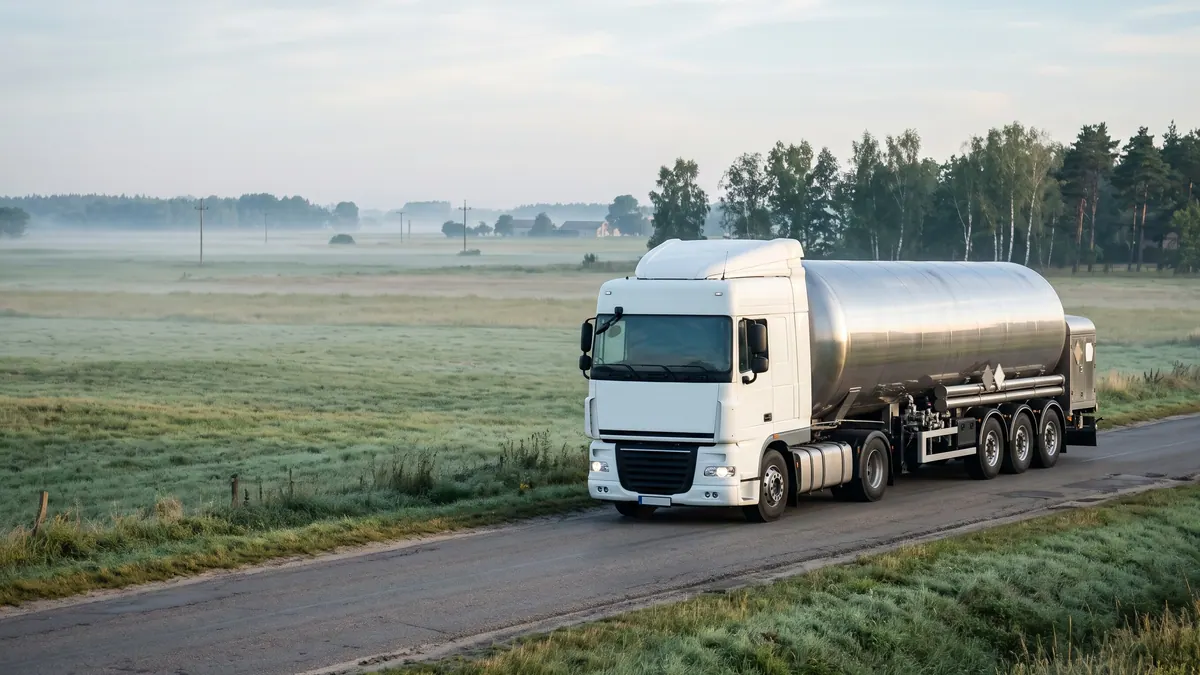
In Poland, liquefaction of biomethane is not yet common – the first installations with a bioLNG module are only now being built (for example, in Orlen's projects in Głąbowo), and the maritime market is served rather by exporters. Nevertheless, the regulation matters for several reasons: it creates a price signal that affects the prices of guarantees of origin and certificates for biomethane across the EU; it increases competing demand relative to road transport; and it opens a path for exporting Polish biomethane through terminals in neighbouring countries. For Baltic ports, it is important to be equipped with LNG and bioLNG bunkering infrastructure.
What next
In the first months of the regulation's application, shipowners will be collecting data and concluding agreements for supplies of fuels with lower emission intensity. It is worth watching the formation of shared compliance pools and how quickly ports build bioLNG bunkering infrastructure. The availability of biomethane certified for maritime transport will be key, as will the outcome of the debate on the global IMO framework, which may complement or change European regulations.
Sources
Related articles