BioLNG and bioCNGEvent
The IMO approves a draft global net-zero framework for shipping. A place for bioLNG
On 11 April 2025, at the MEPC 83 meeting, the International Maritime Organization approved a draft global framework for reducing shipping emissions to net zero. Formal adoption was postponed by a year.
Other language versions: polski.
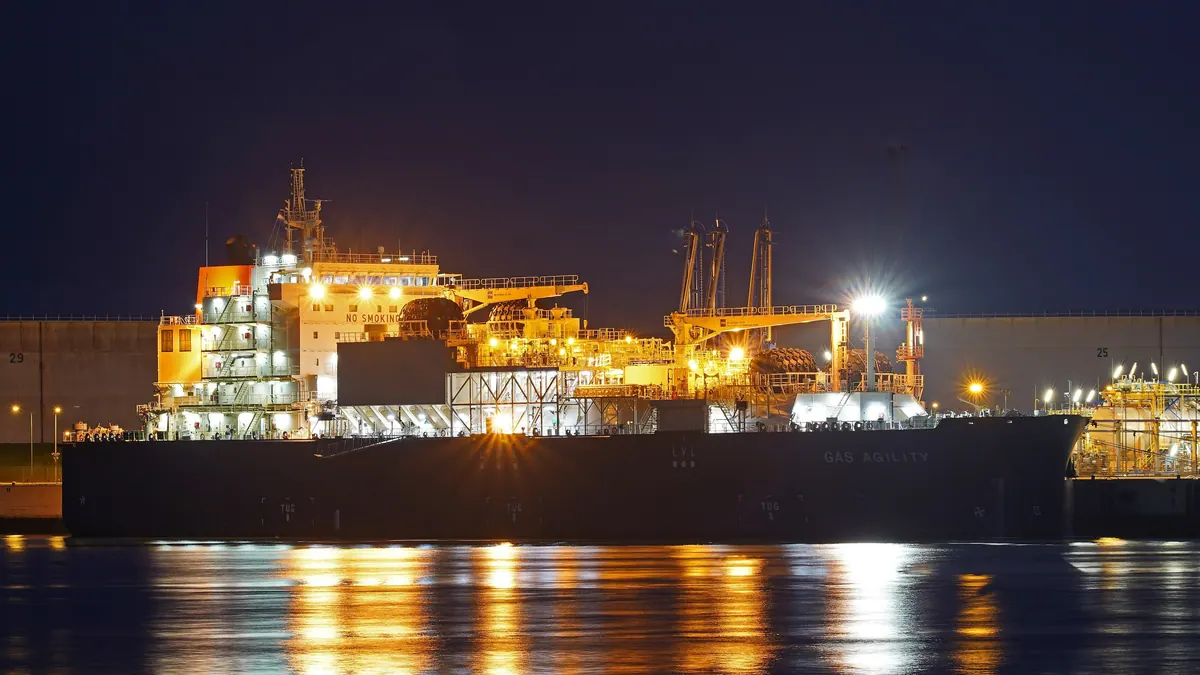

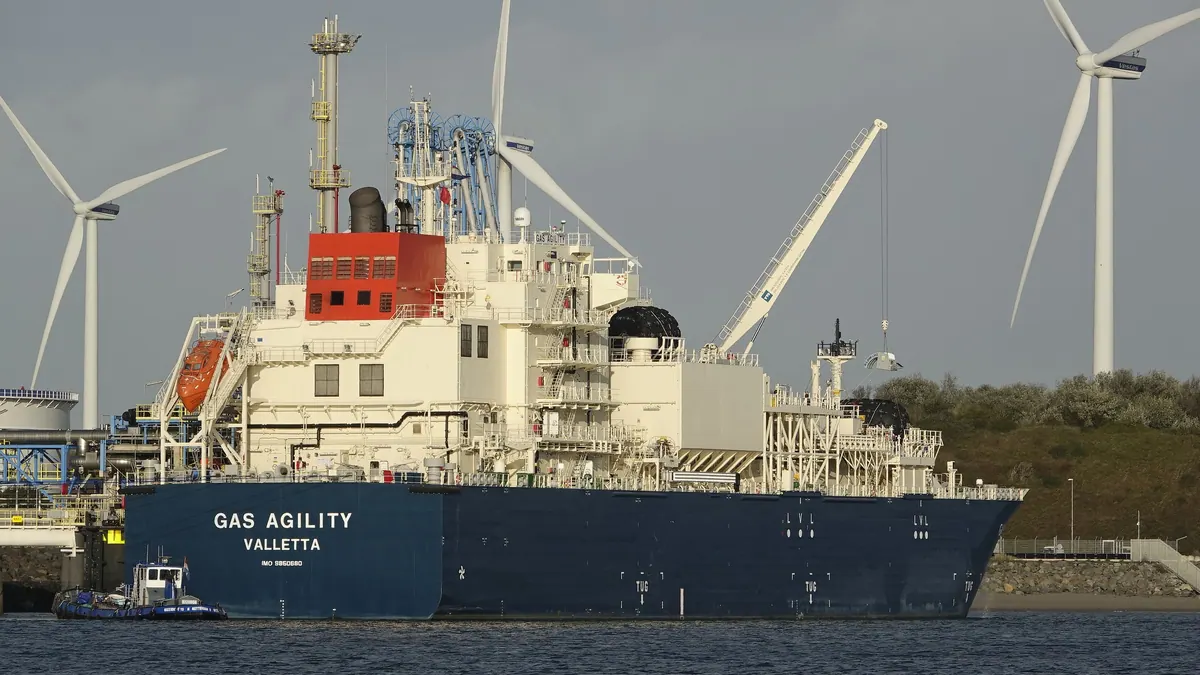
The Marine Environment Protection Committee of the International Maritime Organization (IMO) approved on 11 April 2025, during the MEPC 83 session, a draft global framework leading international shipping to net-zero greenhouse gas emissions. It was the first package in history to combine a worldwide fuel standard with a pricing mechanism for emissions. For the bioLNG and biomethane market it meant a potentially global, not just European, demand signal.
What the draft contained
The framework rested on two pillars:
- a global fuel GHG intensity standard – ships were to progressively reduce the average emission intensity of the energy used on board;
- a pricing mechanism – shipowners exceeding the limits would have to pay charges, and a compliance surplus could be carried over or transferred.
Compliance can be achieved in various ways: with renewable and low-carbon fuels (biofuels, bioLNG, e-fuels, ammonia), by improving energy efficiency or by purchasing compliance units. In the logic of a low-emission-intensity standard, each type of fuel receives a well-to-wake value, so bioLNG from waste, with very low intensity, has a clear advantage over fossil LNG.
Why this matters for biomethane
LNG-powered ships are among the most frequently chosen options in new orders. They allow bioLNG to be used without changing the engine (so-called drop-in), which gives biomethane an advantage over fuels requiring new technologies. At the same time, the requirements for certification of origin and for preventing double counting are key – fuel buyers will have to prove that the bioLNG has not already been counted in another system (for example in the EU FuelEU scheme or in the transport obligation).
Significance for the industry in Poland
Polish biomethane plants are at the beginning of the road, but the Baltic ports (Gdańsk, Gdynia, Szczecin–Świnoujście) handle ship traffic that is subject to the EU FuelEU Maritime framework. For biomethane producers it is important that demand may come not only from domestic road transport but also from shipping, which broadens the customer base. In practice this requires liquefaction installations and LNG/bioLNG bunkering infrastructure in ports.
What next
Formal adoption of the framework was planned for October 2025, and its entry into force would take place under the tacit acceptance procedure for amendments to Annex VI of MARPOL. Until then European shipowners are guided above all by EU rules (FuelEU Maritime), and biomethane producers by certificates and contracts with ports. For the market this means a period of uncertainty, but also the continuation of regional demand for fuels with low emission intensity.
Sources
Related articles