BioLNG and bioCNGEvent
The IMO postponed adoption of the global net-zero framework for shipping by a year
On 17 October 2025 an extraordinary session of the International Maritime Organization postponed by a year the decision on formally adopting the Net-Zero Framework for shipping. For bioLNG this means continued dependence on EU rules.
Other language versions: polski.
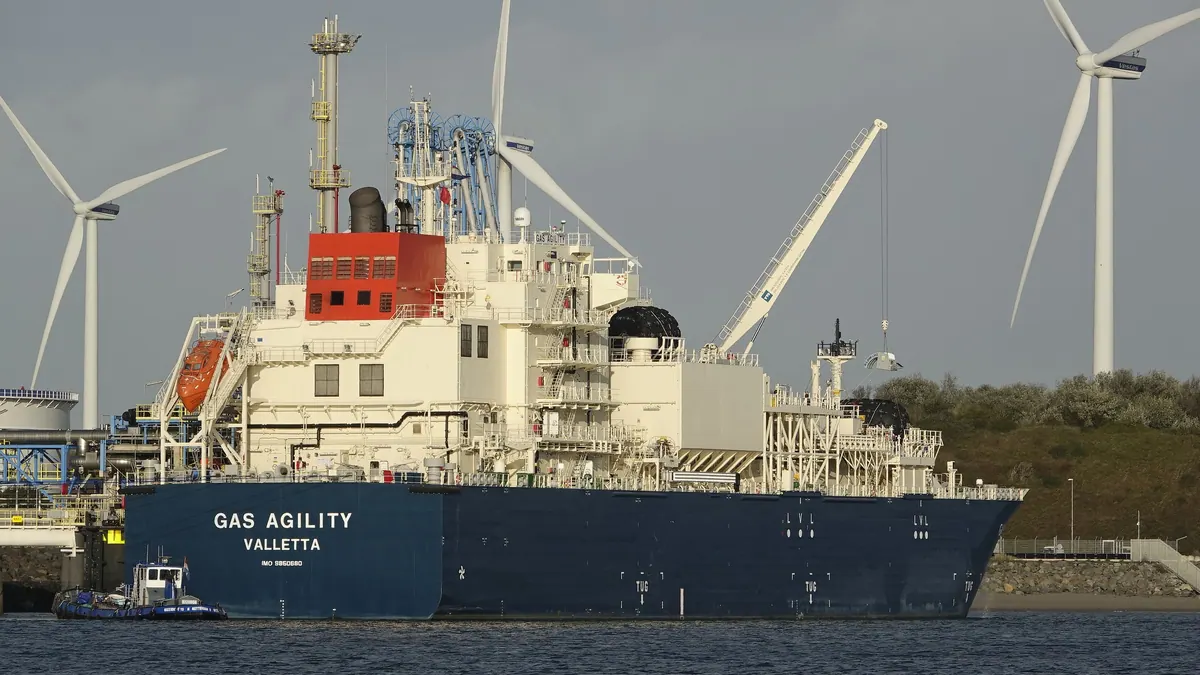

An extraordinary session of the Marine Environment Protection Committee of the International Maritime Organization (IMO) decided on 17 October 2025 to postpone by a year the formal adoption of the Net-Zero Framework, the global framework for reducing emissions from international shipping approved in April. The decision means that the global fuel standard and pricing mechanism will not enter into force by the date its supporters had hoped for, and that regulatory uncertainty for shipowners and renewable fuel producers will continue.
Background
In April 2025 the IMO approved a draft framework combining two pillars: a GHG intensity standard for the energy used on board, and a mechanism for paying charges for exceedances or carrying forward compliance surpluses. Formal adoption required an extraordinary session in October. Some states and delegations had reservations about the costs and the effects on trade, so the decision on formally adopting the framework was pushed back by a year. The subsequent steps needed for entry into force were also suspended.
Consequences for the marine fuels market
For shipowners this means that planning investments in fleets and fuels must continue to take account of two tracks: regional regulation (FuelEU Maritime, the emissions trading system covering shipping) and uncertain global regulation. In practice, shipowners calling at EU ports are subject to EU requirements regardless of IMO decisions.
For the bioLNG market the signal is twofold. On the one hand, European demand is stable: the first barge-to-ship bioLNG bunkering operations took place in July 2025 in Barcelona, and shipowners are starting to use compliance pools. On the other hand, the absence of a global framework limits the possibility of exporting biomethane to regions without local requirements and slows decisions on building large liquefaction plants.
Significance for the industry in Poland
The Polish bioLNG market is at an early stage: planned installations, such as Orlen's biomethane plant in Głąbowo with a bioLNG module, are intended mainly for road transport. For Baltic ports it matters that demand for marine fuels with low emission intensity will be shaped by EU rules rather than, in the near term, by global ones. Biomethane producers planning to sell to shipping should therefore secure sustainability certificates compliant with the RED Directive and tracking in the Union Database, as this is the best-proven route.
What to watch
Market observers should follow the date of the next IMO session and any changes to EU rules, including the review of FuelEU Maritime. The postponement does not mean the framework has been abandoned – it means the negotiations have been shifted, and island states, fuel-producing states and flag states will have a say in them.
Sources
Related articles