Market and investmentAnalysis
Biomethane in Germany: from EEG and CHP to transport and THG-Quote credit trading
Germany pioneered biomethane injection, initially to fuel CHP units under the EEG. We describe the evolution of the market, the role of the dena biogas register, use in transport and the THG-Quote mechanism.
Other language versions: polski.
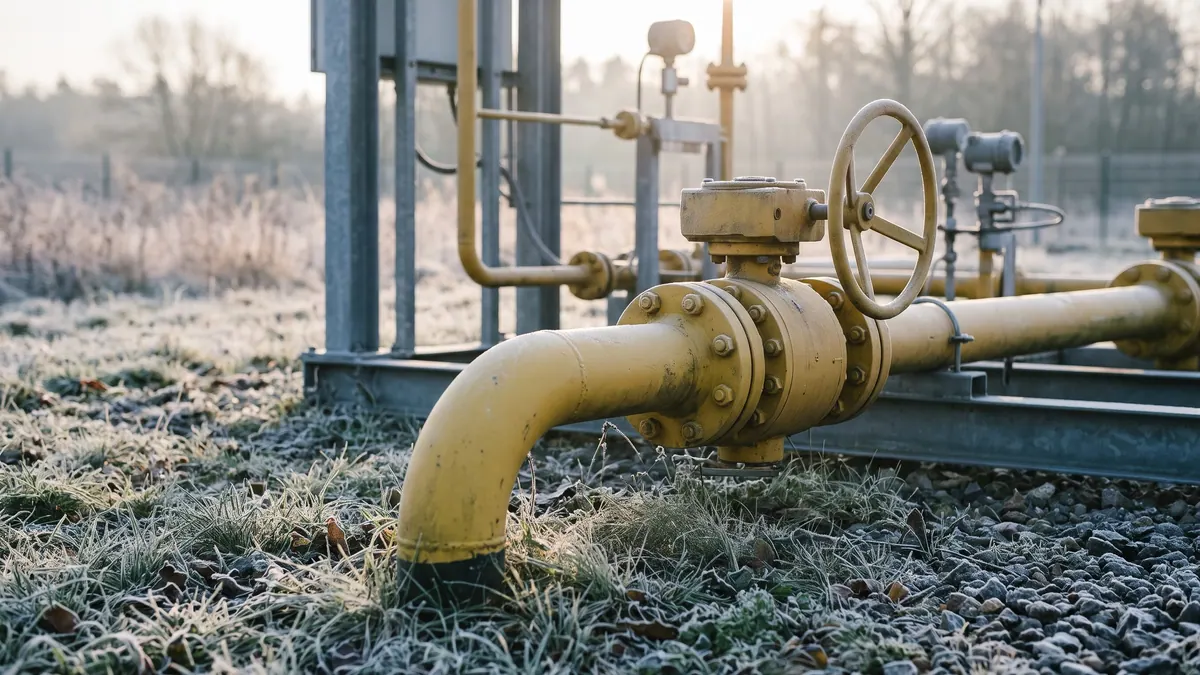
Germany is among the pioneers of biomethane injection into the gas grid: the first plants were built after 2006, and the gas grid access ordinance (GasNZV), amended in 2008 in favour of biomethane, together with the Renewable Energy Sources Act (EEG), created the framework for the market. A large part of the biomethane initially went to dispersed combined heat and power plants (CHP), which sold electricity under the EEG system, and the origin of the gas was tracked by the biogas register run by the energy agency dena. In recent years the use of biomethane in transport, settled through the THG-Quote mechanism, has become increasingly important. According to reports on the EBA report for 2024, France has taken over the leading position in production.
The beginnings: EEG and CHP
In the first phase German policy rewarded electricity production from biogas. Biomethane injected into the grid could be taken off elsewhere by a CHP unit that qualified for the EEG tariff, provided the origin of the gas was confirmed. This made it possible to use heat in locations where there is demand, rather than at the biogas plant, where it is often lacking. The dena biogas register tracks biomethane batches and ensures that the same quantity is not used twice.
A change of direction
With the EEG reforms and growing efficiency and sustainability requirements, the importance of new plants based on electricity production changed. The heat market gained importance thanks to rules on the share of renewables in heating, and transport thanks to obligations for fuel suppliers. Some producers contracted biomethane to the fuel market at higher margins than when selling to CHP. The scope of these changes results from successive amendments to the regulations, which should be followed continuously.
THG-Quote
The German THG-Quote system obliges fuel suppliers to achieve a specified reduction in greenhouse gas emissions for the fuels they place on the market. Obligated parties can meet the obligation by placing biofuels (including biomethane) on the market or by buying emission savings from other parties, e.g. from owners of electric cars or biomethane suppliers. The value of the credits depends on the fuel's emission reduction and on the credit market. For a biomethane producer this means additional revenue, provided its gas is certified and used in transport. The parameters of the system have been changed (e.g. reduction targets, calculation rules), so the details require verification.
Scale and differences compared with France
The German market has fewer biomethane plants than the French one, but many of them are larger and were commissioned earlier. Weaker momentum of new projects after the changes to support and rising costs limited capacity growth, while France developed thanks to stable tariffs and many smaller projects. Exact figures should be checked in reports from EBA, dena and German industry associations.
Worked example (illustrative)
Suppose a plant producing 40 GWh of biomethane per year intended for transport. A biomethane emission intensity of 25 gCO₂e/MJ against a reference fuel of 94 gCO₂e/MJ gives a saving of 69 gCO₂e/MJ. Energy of 40 GWh = 144,000 GJ = 144 million MJ. Emission savings: 144 million × 69 g = 9936 t CO₂e per year. If the market credit was priced at 150 EUR/t CO₂e (an assumption), revenue from selling the savings is about 1.49 million EUR per year, in addition to the gas price. Actual values depend on the market and calculation rules.
Lessons for Poland
- A mechanism for tracking gas batches (a register) enables trade in green molecules between regions.
- Separate revenue streams (energy, heat, transport) increase producers' flexibility, but require clear rules to avoid double counting.
- Regulatory changes affect investment decisions, so predictability matters a great deal.
The role of the biogas register
The biogas register acts as a mass balance for gas in the grid: the producer records the injected quantities, and the buyer (CHP, fuel supplier) draws them from the register, which is confirmed by an auditor. This avoids double counting and ensures that gas with specific sustainability characteristics goes to eligible uses. The rules of such a register are a model for other countries building their own systems for tracking renewable gases.
Summary
The German biomethane market has travelled from supplying CHP under the EEG system to applications in transport settled through THG-Quote. It is an example of how support instruments shape market structure, and the gas register ensures transparency. The leading position in production has shifted to France, which shows the importance of stable and simple mechanisms for small projects.
Sources
Related articles