BioLNG and bioCNGEvent
Port of Barcelona: first bioLNG bunkering from a barge for the cruise ship Mein Schiff Relax
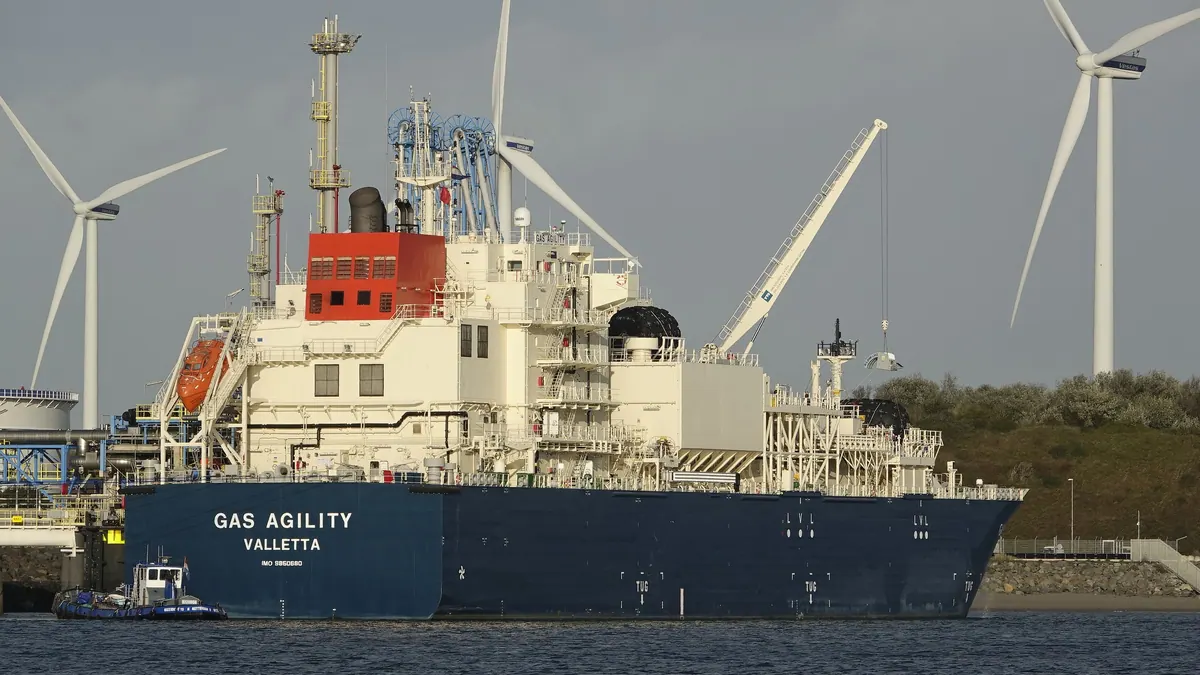
On 26 July 2025 in the Port of Barcelona the cruise ship Mein Schiff Relax took 1,875 m³ of bioLNG from the barge Haugesund Knutsen. The fuel came from the Enagás terminal and had an ISCC EU certificate.
Other language versions: polski.
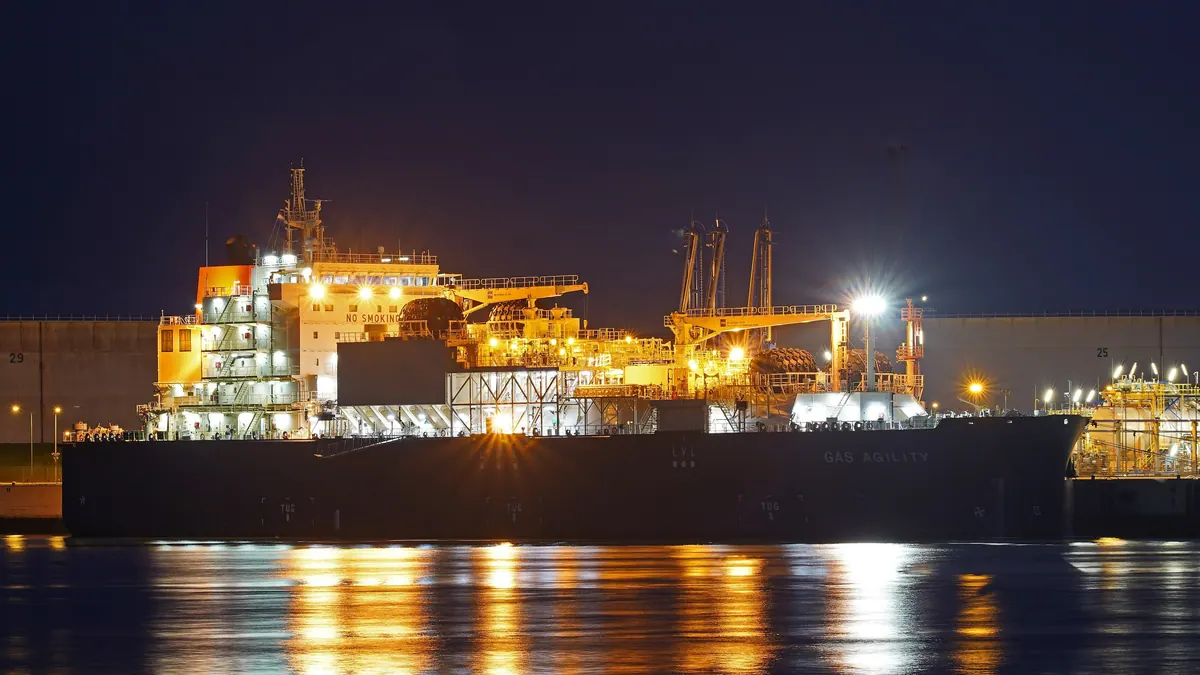

The first bioLNG bunkering from a barge in the Port of Barcelona took place on 26 July 2025, and information about it was published on 7 August. The cruise ship Mein Schiff Relax, owned by TUI Cruises and the first LNG-powered vessel in the shipowner's fleet, took 1,875 m³ of liquid biomethane. The delivery was the second bioLNG operation in the port, but the first carried out by barge rather than from a road tanker.
Who and how
The operation involved: Shell (which chartered the barge), Knutsen Scale Gas (operator of the barge Haugesund Knutsen), Enagás (the fuel supplier from the regasification terminal in the port, called the Energy Wharf) and TUI Cruises. The fuel came from bioLNG produced from organic waste – without specifying the feedstocks. The delivery was described as a "kilometre zero" operation, because the fuel came directly from a terminal within the port. The Enagás terminal recently obtained ISCC EU certification, which confirms compliance with the EU sustainability criteria (RED) and with supply chain traceability requirements.
Why this matters
For shipowners, what matters is not only the fuel itself but also a documented emissions footprint. In FuelEU Maritime what counts is the GHG emission intensity on a well-to-wake basis, and bioLNG produced from waste has a much lower one than fossil LNG. However, for a batch to be counted, a sustainability certificate, mass-energy balance records and the absence of double counting are needed – which is why it is significant that the supplier holds an ISCC EU certificate.
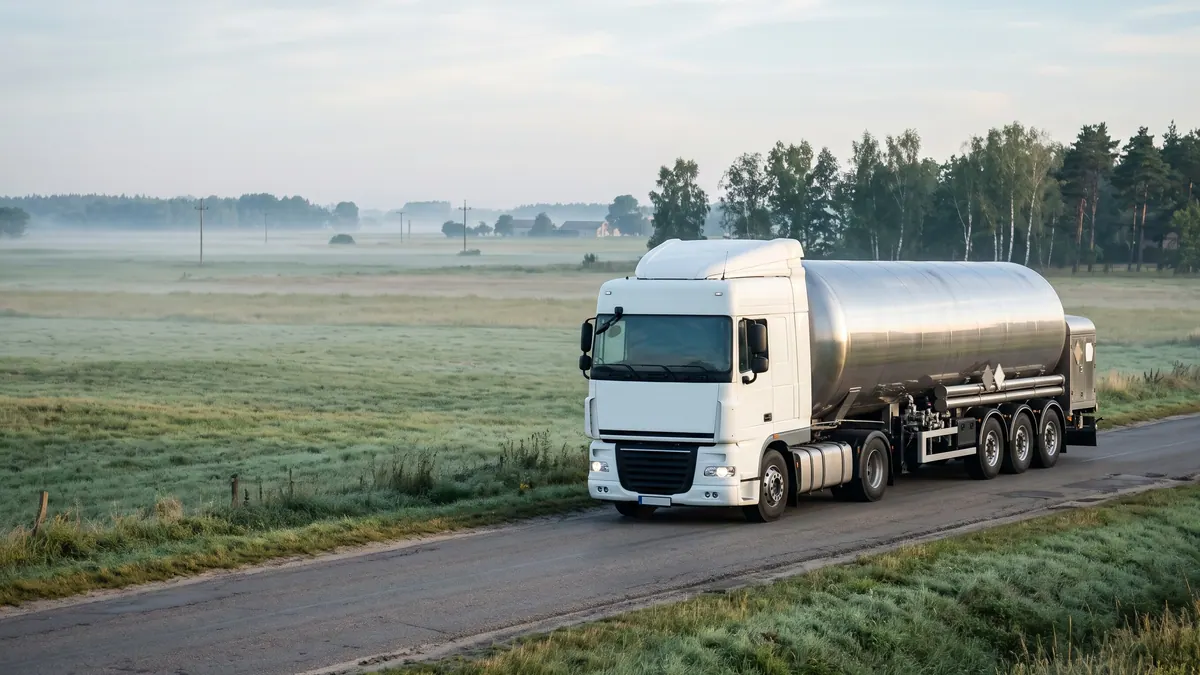
Barge bunkering has several logistical advantages: it makes it possible to transfer large volumes (here nearly 1,900 m³) in a short time and without the movement of several dozen road tankers (1,875 m³ is about 35–50 trailers of 40–55 m³).
Significance for the industry in Poland
Polish Baltic ports handle a growing number of LNG ships, but bioLNG bunkering infrastructure is only at the planning stage. For biomethane producers the Barcelona example shows a business model: biomethane injected into the grid (including from other countries) can be settled at the terminal as bioLNG under so-called mass balancing, provided it is certified. For Polish liquefaction projects (for example in Głąbów) it is a signal that the maritime market may be an off-taker, and not only road transport.
The emergence of smaller liquefaction installations – modular bio-LNG units, such as those being developed by HAM – may further lower the barrier to entry for distributed producers.
What next
The bioLNG market in shipping will grow as the FuelEU Maritime requirements tighten and compliance pools, in which shipowners share surpluses, develop. The availability of certified biomethane, liquefaction capacity and bunkering infrastructure in ports will be key. For biomethane producers it is an opportunity for a large-scale off-taker, but one requiring strict accounting of the fuel's origin.
Sources
Related articles