BiomethaneEvent
Naturgy has connected Navarre's first biomethane plant. Pig slurry and 22 GWh a year
The operator Nedgia (Naturgy) has connected to the grid a biomethane plant in Cabanillas in Navarre: injection capacity of 320 Nm³/h, up to 22 GWh a year, with feedstock mainly pig slurry. It is the 12th injection point on the Nedgia (Naturgy) network in Spain.
Other language versions: polski.
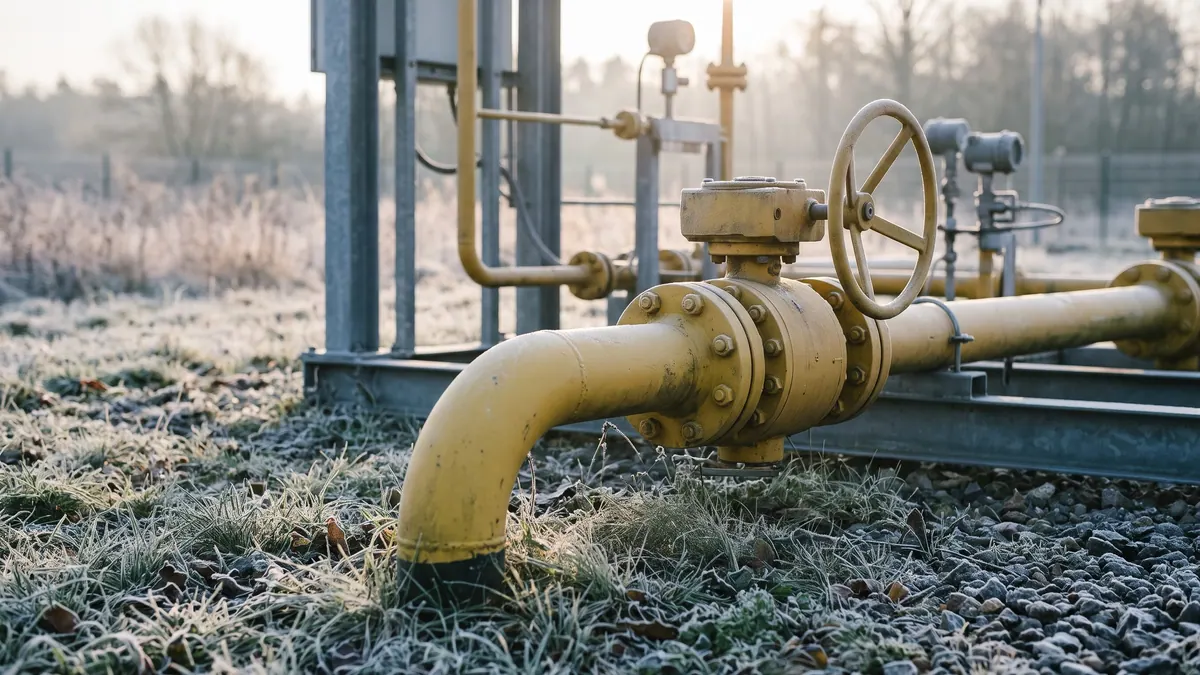
The Spanish operator Naturgy announced on 8 August 2025 the connection to the grid of the first biomethane plant in Navarre, located in Cabanillas. The installation is run by the local company E-Cogeneración Cabanillas, and was connected to the distribution grid by Nedgia, a Naturgy company. The project is an example of upgrading a cogeneration biogas plant into a biomethane plant.
Parameters
The injection capacity is 320 normal cubic metres per hour, which gives up to 22 GWh of renewable gas a year – according to the operator, as much as about 4,000 households use. The installation expands a cogeneration biogas plant commissioned in 2011. The feedstock is agricultural and agri-food waste, above all pig slurry. The digestate is used as a source of nutrients, reducing the need for synthetic fertilisers. Part of the investment was supported by the Institute for Energy Diversification and Saving (IDAE).
For Naturgy it is the twelfth biomethane injection point in Spain. Nedgia operates 12 such points with a combined capacity of 328 GWh a year and has 74 projects in development. In Navarre alone seven further installations are being prepared, which together could supply up to 400 GWh a year.
Why this matters
The example shows a route that many existing biogas plants could take: converting existing cogeneration into a biomethane plant, which makes it possible to use ready-made fermentation infrastructure (tanks, substrate supply system, digestate management) and to add only an upgrading module and a connection. Such a path lowers the unit cost of the investment and shortens the time to delivery compared with building "from scratch".
Significance for the industry in Poland
Polish agricultural biogas plants from 2012–2018 have a similar profile: tanks, cogeneration and access to substrates. In practice, however, conversion requires two conditions to be met: access to the gas grid within a reasonable distance and a profitable support system for biomethane. The Spanish example also shows the importance of the distribution operator as an active partner – Nedgia not only connects but builds a project portfolio. In Poland this approach shows in Polska Spółka Gazownictwa's declarations about hundreds of connection conditions issued, but actual injection of biomethane into the grid has not yet started.
Pig and poultry slurry are substrates of particular interest in Polish conditions: the large number of pig and poultry farms and the rigours of the Industrial Emissions Directive increase interest in managing them in biogas plants.
What next
Spain has one of the highest declared biomethane targets in the EU, and the pace of connections depends on the rules on guarantees of origin and on support. For market observers, the ratio of the number of projects in preparation (74 at Nedgia) to those commissioned (12) is an important indicator.