BioLNG and bioCNGEvent
First bio-LNG delivery to the tanker Fure Vinga in Amsterdam: biofuel bunkering in practice
In May 2022 the Dutch company Titan LNG delivered 60 tonnes of bio-LNG to the tanker Fure Vinga in Amsterdam. It was one of the first such deliveries in European ports and an important step for shipping.
Other language versions: polski.
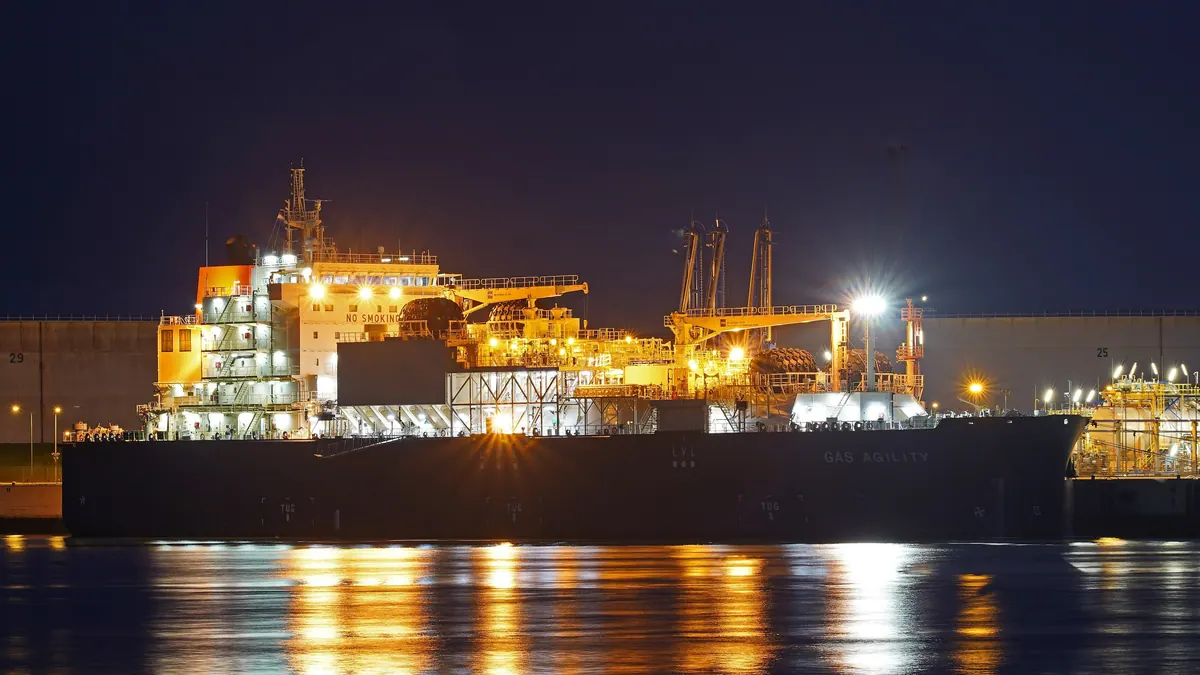

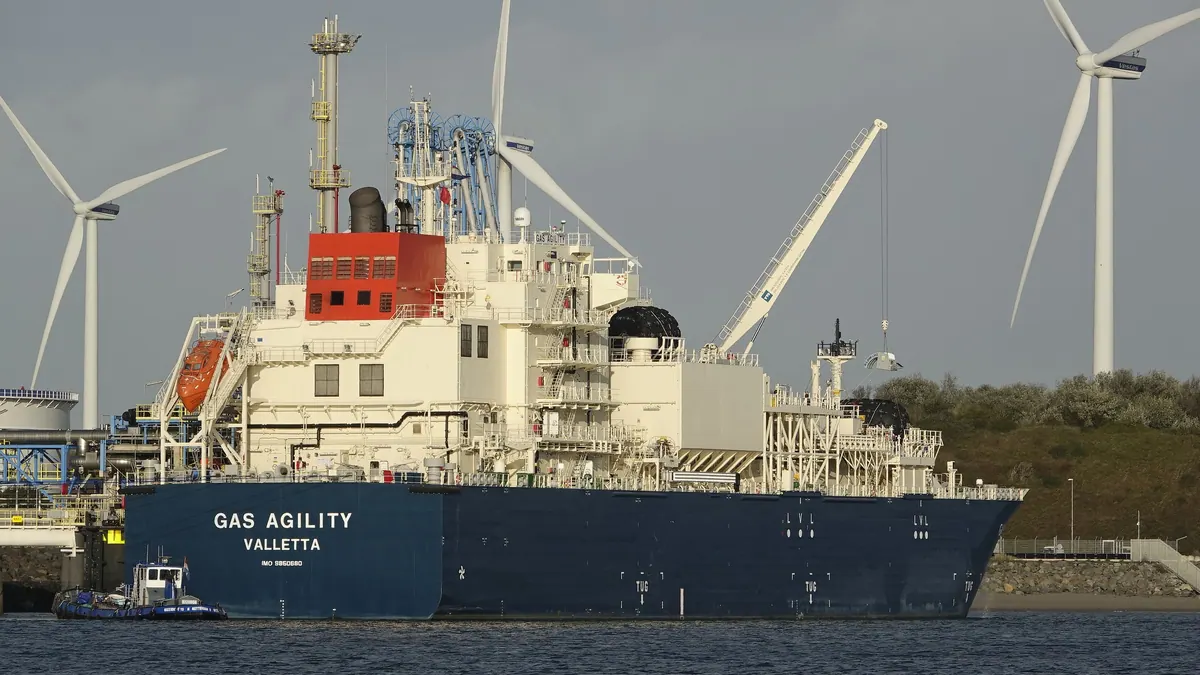
In May 2022 the Dutch company Titan LNG reported the delivery of 60 tonnes of bio-LNG to the tanker Fure Vinga in the port of Amsterdam. The bunkering was carried out by the barge Titan FlexFueler 002, and the company described the operation as the first bio-LNG delivery in Amsterdam. It is an example of how biomethane, once liquefied, enters shipping and replaces fossil fuel in vessels that already have LNG-fuelled engines today.
What is changing
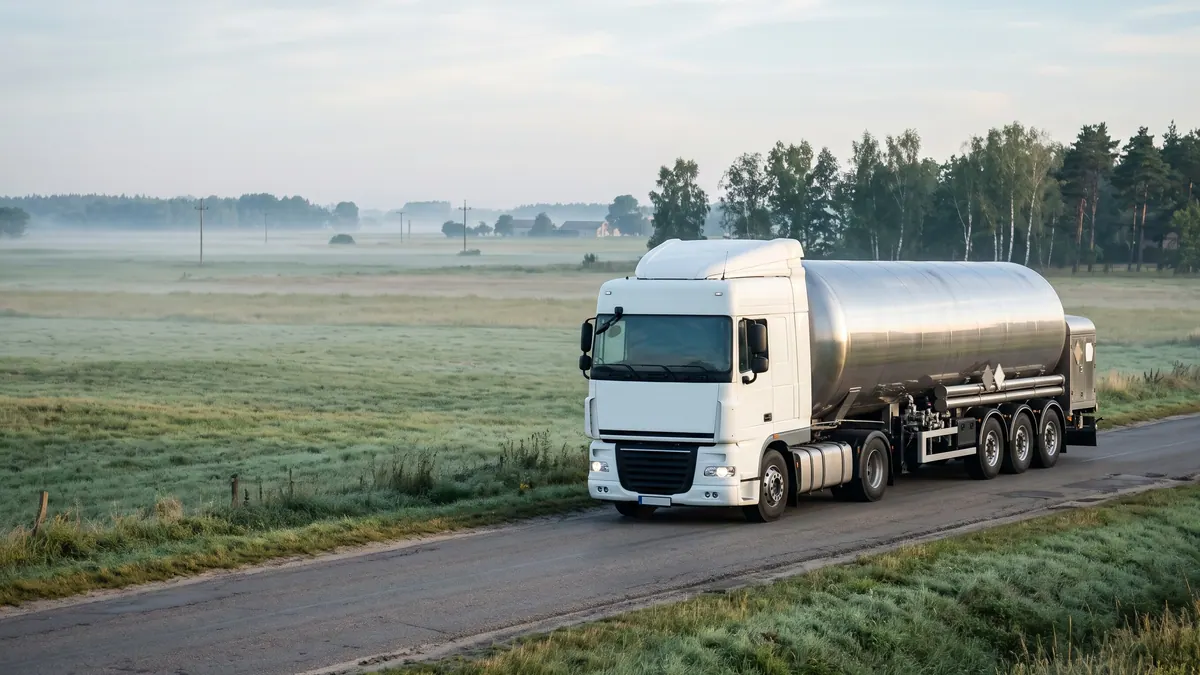
Bio-LNG is biomethane liquefied by cooling to around –162°C, which reduces its volume roughly 600-fold and allows it to be transported by tanker truck or barge. In terms of composition it is mainly methane, like LNG of fossil origin (which may also contain other hydrocarbons and nitrogen), so if the required quality parameters are met it can be bunkered into the same tanks and engines. The difference lies in its origin: biomethane is produced from waste or renewable feedstocks, and its life-cycle emissions balance is significantly lower.
For shipowners who have invested in LNG-fuelled vessels, bio-LNG is a way of reducing the carbon footprint without changing the engine. Deliveries are carried out under a book-and-claim model: biomethane is injected into the gas grid, and the liquefied gas bunkered in port is recorded with the relevant sustainability certificates. This matters when accounting for EU requirements for shipping.
Significance for the industry in Poland
Poland does not yet have a bio-LNG market, but the shipping and logistics sector is following European experience. From a biomethane producer's perspective, deliveries to ports are an alternative to selling into the grid, especially where the grid is far away. What is crucial, however, is the framework: the certification system, the mechanisms for accounting for emission reductions in shipping, and access to liquefaction infrastructure.
For bio-LNG production to be profitable, a large, stable source of biomethane is needed, for example a plant based on municipal waste, slurry or sewage sludge. In Polish conditions the logistical challenge may be the proximity of customers and access to ports. Liquefaction plants are few today, and building them requires capital.
Why shipping is interested in biomethane
LNG-fuelled ships have the same type of tanks and engines regardless of the origin of the gas, so switching to bio-LNG requires no technical changes. For the shipowner this means a simple path to lower emissions, provided that fuel availability and certification are ensured. What is interesting for biomethane producers is that shipping usually pays more for low-emission fuel than the heat market does, and in addition requires transparent documentation of the origin of the feedstock.
What next
The EU is working on the FuelEU Maritime Regulation, which will introduce requirements for the emission intensity of fuels used in shipping, and on extending the emissions trading system to maritime transport. Both regulations will increase demand for low-carbon fuels, including bio-LNG. For biomethane producers this is a signal to include liquefaction, or cooperation with terminal operators, in their plans as well.
Sources
Related articles