BioLNG and bioCNGEvent
EU Council agrees its position on FuelEU Maritime and ReFuelEU Aviation
On 2 June 2022 the Transport Council adopted a general approach on the FuelEU Maritime and ReFuelEU Aviation regulations. This opens negotiations with Parliament and signals demand for low-emission fuels.
Other language versions: polski.
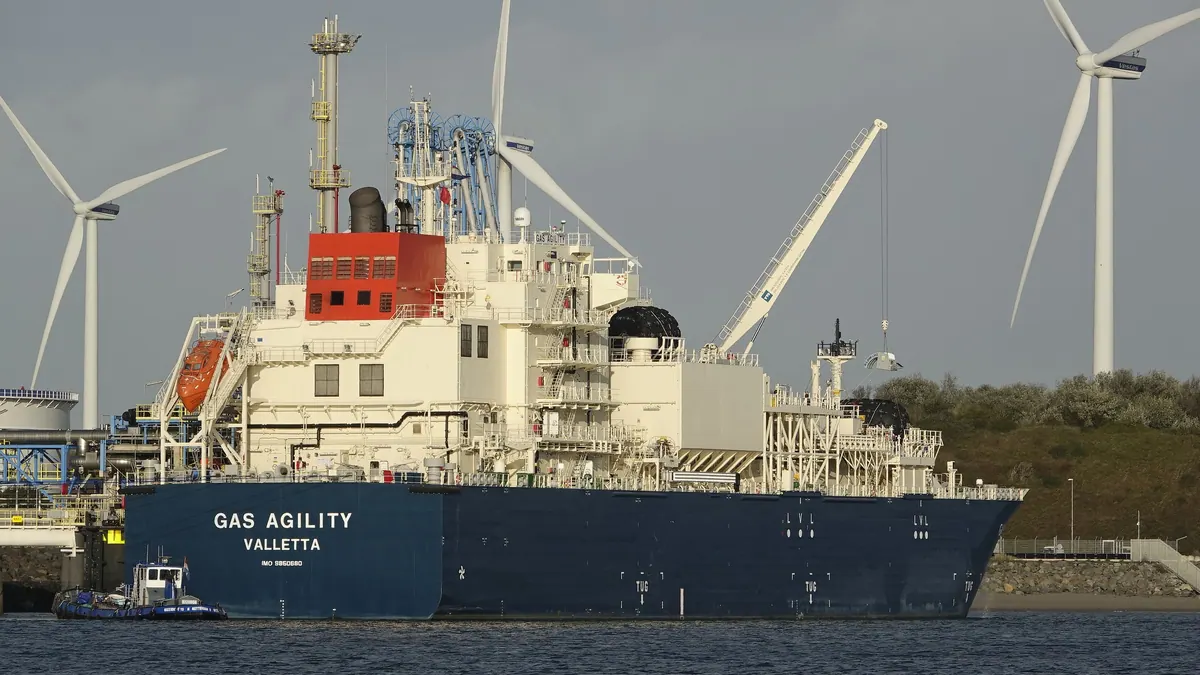

On 2 June 2022 the Transport Council adopted a general approach (a negotiating position) on two regulations from the "Fit for 55" package: FuelEU Maritime, concerning fuels in shipping, and ReFuelEU Aviation, concerning fuels in aviation. This made it possible to start negotiations with the European Parliament. For the biogas and biomethane industry both proposals are important: they create demand for low-emission fuels in sectors where electrification is difficult.
What is changing
FuelEU Maritime introduces a requirement to gradually reduce the greenhouse gas emission intensity of the energy used on board ships. It relies on a "well-to-wake" calculation, which covers not only CO₂ emissions from combustion but also the entire fuel production chain and methane emissions. For this reason low-carbon fuels become attractive: biofuels, bio-LNG, e-fuels, and hydrogen and its derivatives.
ReFuelEU Aviation obliges aviation fuel suppliers to blend sustainable aviation fuels (SAF) in increasing proportions. Although the main technologies are biofuels from waste and synthetic fuels, biogas and biomethane may serve as a feedstock for their production in the longer term.
Significance for the industry in Poland
For Polish biogas producers FuelEU Maritime is the most concrete in its significance. LNG-fuelled ships can lower their emissions score by bunkering bio-LNG. This creates a market for liquefied biomethane in ports, potentially including Polish ones. The aviation sector, in turn, will look for waste feedstocks, which may increase competition for fats, waste oils and other residues.
It is important that the rules refer to the sustainability and certification principles known from the Renewable Energy Directive. A biomethane producer who wants to sell gas on the transport fuel market must expect to certify feedstocks and document the mass balance.
Methane in the emissions calculation
For liquefied gas it is critical how so-called methane slip, i.e. unburned gas escaping from the engine, is counted in the emissions calculation. The FuelEU Maritime rules take this factor into account, which reduces the climate advantage of fossil LNG but, in the case of bio-LNG, still allows a favourable result to be achieved. For producers this means that not only feedstocks matter, but also quality and guarantees of methane emission reduction along the whole path from the plant to the ship.
What next
Once the Council's position has been adopted, trilogue negotiations with Parliament and the Commission will begin. The key topics are the emission reduction pathways, the rules for counting methane, and the possibility of including renewable fuels of non-waste origin. The outcome of these talks will decide how large the demand for bio-LNG in shipping will be after 2025.
Sources
Related articles