BioLNG and bioCNGEvent
EU Council adopts FuelEU Maritime. How will shipowners account for bio-LNG and other fuels?
On 25 July 2023 the Council of the EU approved the FuelEU Maritime regulation, adopted by Parliament on 11 July. Shipowners will account for the emission intensity of fuels, and a deficit carries penalties.
Other language versions: polski.
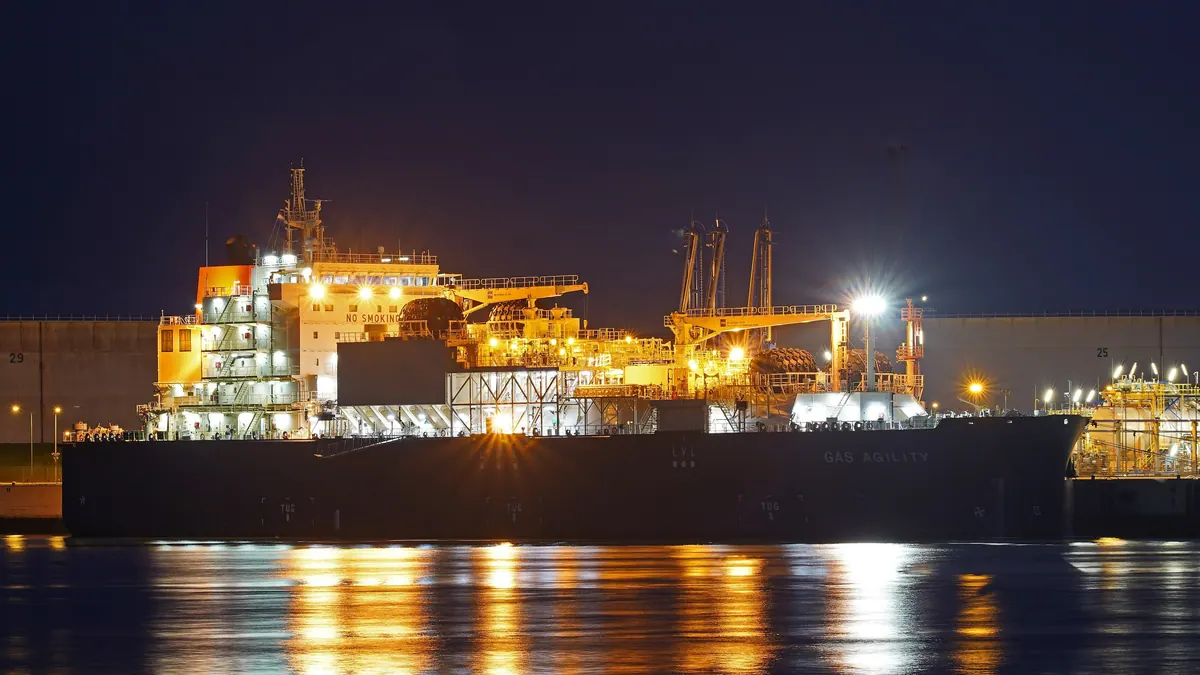

The Council of the EU approved on 25 July 2023 the FuelEU Maritime regulation, which the European Parliament adopted on 11 July. This closes the legislative process; after signing and publication in the Official Journal of the EU the rules will start to apply on 1 January 2025. The regulation introduces an annual requirement to reduce the average greenhouse gas intensity of energy used on ships of over 5000 GT gross tonnage calling at EU ports. For the bio-LNG market this is the most important shipping regulation of the decade.
What is changing
Each year a shipowner must show that the average emission intensity of the energy used on the ship falls within the limit resulting from the reduction pathway (2% in 2025, 6% in 2030 and further steps up to 80% in 2050). If the limit is exceeded, the shipowner pays a penalty proportional to the energy deficit, the equivalent of which is expressed in terms of marine fuel. The regulation also provides for:
- the possibility of forming pools of ships, in which the surplus of one covers the deficit of another,
- carrying surpluses over to the following year and limited borrowing from a future period,
- verification of documents by independent verifiers and the issuing of a document of compliance,
- an obligation to use shore power for passenger and container ships in TEN-T ports from 2030.
Intensity is calculated "well-to-wake". For LNG, what is key is therefore the emissions balance of the supply chain and methane slip in the engine. For bio-LNG, what is decisive is which feedstock was used (waste and residues have the lowest footprint) and whether the producer meets the sustainability criteria.
Significance for the industry in Poland
Polish biomethane producers can sell gas to the grid, and certified biomethane can then be used to bunker ships at LNG terminals – if the market sets rules for attributing gas to sales (mass balance). The role of recognised certification schemes and guarantees of origin, and of the databases that track fuels in trade, is important here.
Port and terminal operators should prepare bunkering and settlement infrastructure. For shipowners, it matters that fuel purchase contracts include guarantees on sustainability and on the documents needed for verification.
What to pay attention to
The new obligations require reporting of energy consumption on the ship and of emissions, so shipowners must adapt their monitoring systems. Fuel suppliers should take care of documentation, because without it bio-LNG will not be recognised in the accounting.
The importance of timing
Until 2025 shipowners have little time to sign fuel contracts and adapt their monitoring systems. For bio-LNG producers this means a window for concluding long-term agreements before demand grows with successive stages of the reduction pathway.
What next
The regulation will be signed by the presidents of the institutions and published. The Commission will prepare implementing acts. In the coming years the market will see whether bio-LNG becomes a popular solution or whether other fuels, such as methanol, ammonia or hydrogen, will dominate.
Sources
Related articles