Law and regulationExplainer
Manure, slurry and catering waste in a biogas plant and the UPPZ rules
Manure and slurry are category 2 UPPZ, and kitchen waste is category 3. We explain the exceptions from treatment, the effects of mixing, distances from animals and documents for transport.
Other language versions: polski.
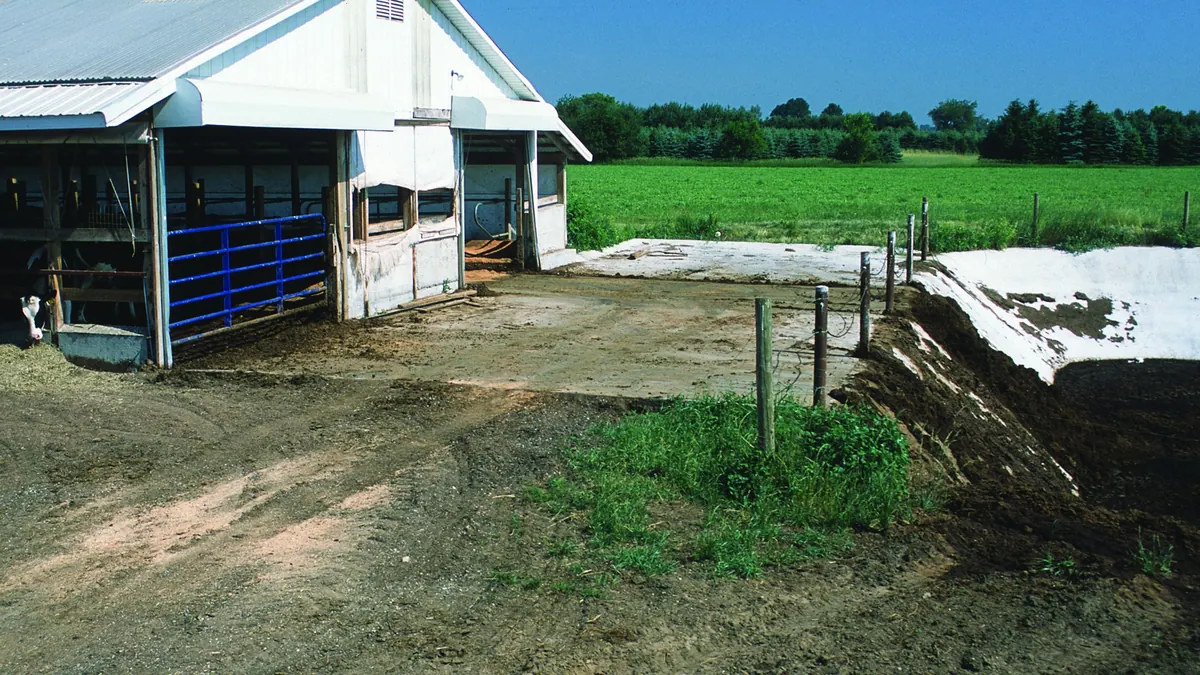

Manure and slurry are animal by-products of category 2, but the regulations allow them to be processed in a biogas plant without pretreatment if the competent authority sees no serious risk of spreading a communicable disease. Kitchen and catering waste belongs to category 3 and enters digestion after hygienisation (70°C for 60 minutes with particles up to 12 mm) or under alternative parameters. Problems begin with mixing streams, because a mixture of cat. 2 with cat. 3 is treated as category 2.
Manure, slurry and digestive tract content
Article 9(a) of Regulation 1069/2009 includes manure, unmineralised guano and digestive tract content in category 2. The regulation does not exclude manure from its scope (excrement and urine other than manure are excluded), so a biogas plant processing it is subject to the UPPZ provisions. At the same time Article 13 allows:
- digesting or composting manure, digestive tract content, milk and colostrum without prior treatment, if the authority does not regard them as a risk of a serious transmissible disease;
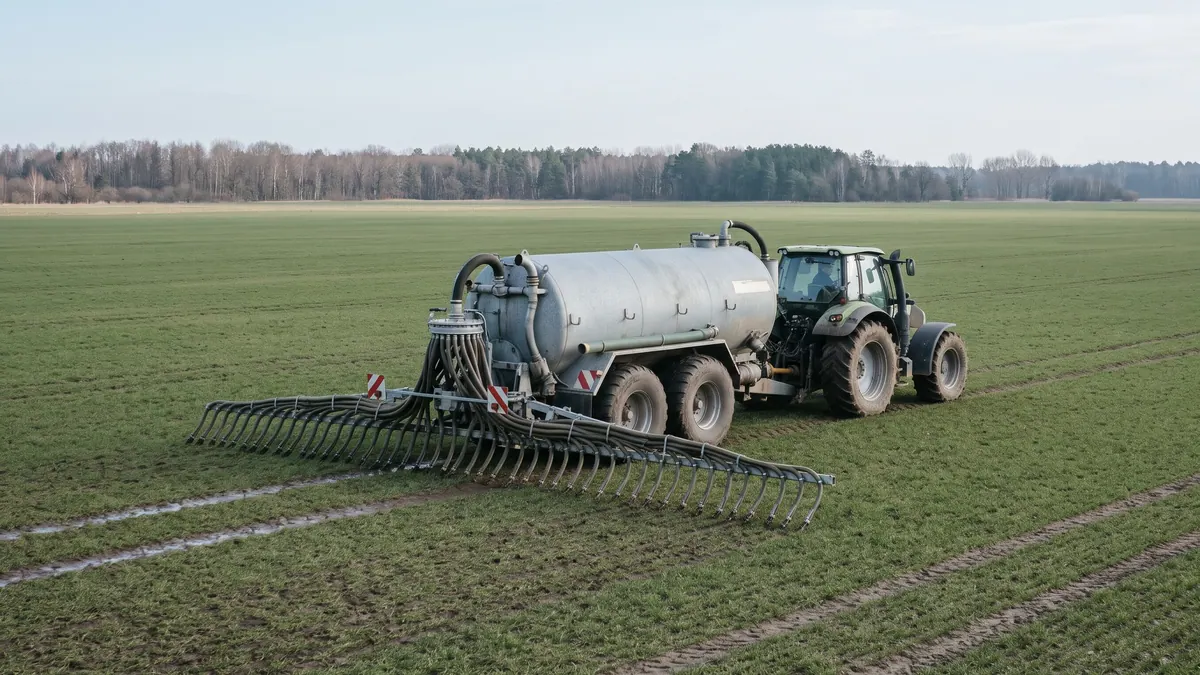
- applying manure and separated digestive tract content to land without processing.
In annex V of Regulation 142/2011 the requirement for a pasteurisation unit does not apply to plants that process only such materials, and distances from animals do not apply if the plant uses only manure, milk or colostrum from the same animals. That is why an agricultural biogas plant running on slurry from its own farm has fewer technical requirements than a rendering installation.
Kitchen and catering waste
Kitchen waste (catering waste) is category 3 (Article 10(p)), except for that from international means of transport (category 1, Article 8(f)). The regulation does not cover kitchen waste unless it is intended for feed, for pressure sterilisation or other treatments under Article 15, or for biogas or compost (Article 2(2)(g)) — that is, in a biogas plant it is subject to the full requirements. The ban on feeding applies to farm animals with the exception of fur animals (Article 11).
Mixing streams
| Mixture | Category | Consequence |
|---|---|---|
| Manure + kitchen waste | 2 (Article 9(g)) | treated as cat. 2; the authority may approve alternative parameters for kitchen waste and selected mixtures |
| Kitchen waste + cat. 1 material | 1 | not permitted in a biogas plant |
| Manure + food not of animal origin | manure cat. 2 | as manure; plant-based food is not UPPZ |
In practice co-digestion of manure with kitchen waste is common, but the plant's approval must state the categories and the way of separating or combining them. Annex V allows separate alternative requirements for kitchen waste and the listed mixtures (including with manure, dairy products and eggs) — subject to validation and the authority's consent.
Documents for transport
Article 21 of Regulation 1069/2009 requires UPPZ to be transported with a commercial document (or a health certificate, if the provisions so stipulate), which states the origin, destination, quantity and description of the goods and the marking, if required. The authority may allow the transport of manure without these documents in strictly defined situations (e.g. within one farm). Category 3 kitchen waste must be handled so that it does not endanger health or the environment or cause nuisance.
In addition to veterinary documents, waste documents (BDO) apply if the transported material is waste.
Three scenarios
A small agricultural biogas plant on its own farm. Feedstock: slurry from its own animals and silage. Usually no requirement for a pasteurisation unit or for distances from animals, if the installation processes only manure, milk or colostrum from those animals. Veterinary approval is still needed.
A biogas plant receiving slurry from several farms and kitchen waste. Separation of the reception lines, commercial documents from each supplier and agreeing with the authority how a mixture of categories 2 and 3 is treated (alternative parameters or standard hygienisation of the whole) are necessary.
A rendering biogas plant receiving mainly kitchen and post-slaughter waste. Hygienisation at 70°C/60 min/12 mm or alternative parameters, a separate waste processing permit and the BDO. Manure appears here rather as an additive to balance the recipe.
How to word the approval application
It is worth starting the application with a table of all substrates with UPPZ categories and waste codes, and then describing which of them go through hygienisation and which — if the authority agrees — go to the digester without treatment. For mixtures, state the proportions and the justification of the chosen parameters, and for applications for alternative parameters attach a validation plan. A well-prepared description speeds up the inspection and reduces the number of supplements.
What to do first
- List all substrates with their categories (manure, slurry, kitchen waste, dairy products, plants).
- Check which of them benefit from exceptions and whether your location (on the farm premises or outside them) requires distances to be maintained.
- Decide on separate reception lines for streams of different categories, or on mixing under approved parameters.
- Agree with the county veterinary officer the scope of approval and alternative parameters.
- Prepare templates of commercial documents and receipt registers.
Questions asked by the veterinary inspectorate
- Where does each substrate come from and with what document does it enter the installation?
- Where is the material stored before processing and how are the categories separated?
- How do you confirm the temperature and time of hygienisation?
- What do you do when a batch does not meet the microbiological standards?
- Who takes digestate samples and how often?
Common mistakes
- Treating slurry as an ordinary agricultural fertiliser without assessing its status as UPPZ.
- Assuming that kitchen waste can be added to the digester "as a trial" without changing the approval.
- No commercial documents for deliveries from external suppliers.
This text is for information purposes only and does not constitute legal advice; before an investment or formal decision, check the current wording of the provisions and consult a lawyer or the competent authority.
Sources
Questions and answers
Is mixing slurry with kitchen waste allowed?
Yes, but a mixture of Category 2 and Category 3 material is classified as Category 2, and the authority may approve the treatment parameters for mixtures with manure as alternative ones. This requires agreement as part of the plant approval.
Related articles