Law and regulationEvent
The Commission proposes revising the IED: more farms, including cattle, and new thresholds
On 5 April 2022 the European Commission proposed amending the Industrial Emissions Directive (IED). The draft extends it to more farms, including cattle, which affects manure and slurry management.
Other language versions: polski.
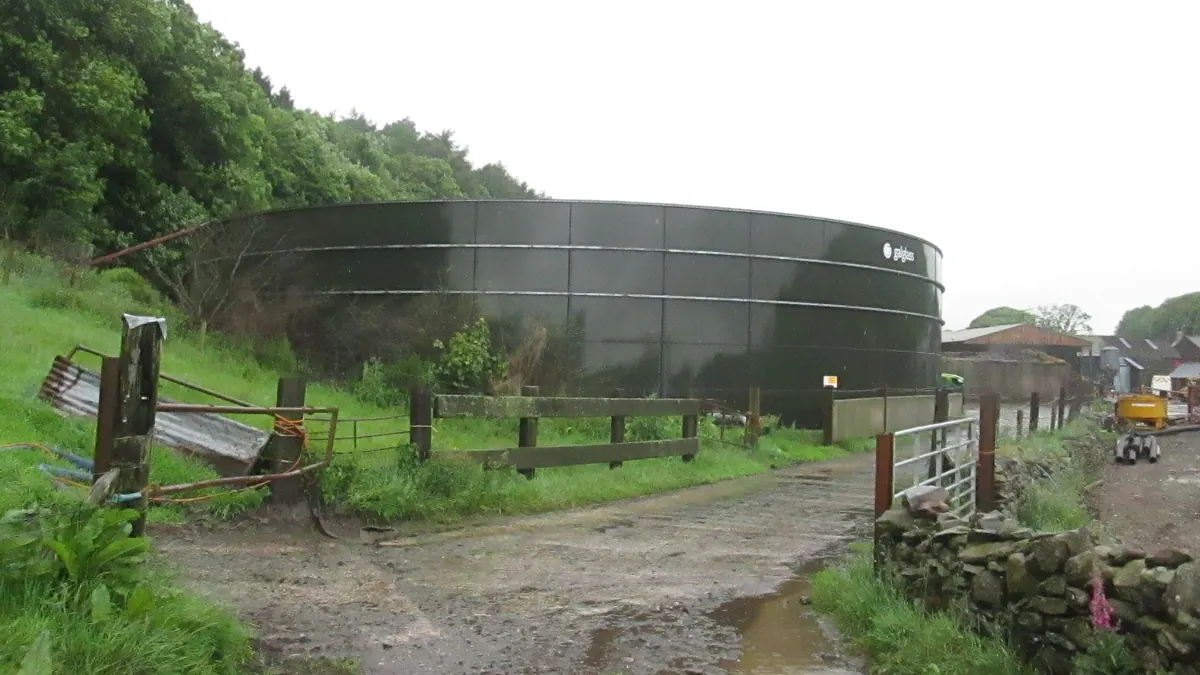

On 5 April 2022 the European Commission proposed a revision of the Industrial Emissions Directive (IED), including extending its scope to more farms. The draft assumes that cattle farms will also be covered by the directive and that thresholds for pig and poultry farms will be lowered, under a milder regime adapted to agriculture. For livestock farms this would mean new environmental obligations, and for biogas plants – potentially changes in access to manure and slurry.
What changes
The IED sets standards for large-scale industrial and agricultural installations, based on best available techniques (BAT). Until now it covered mainly intensive pig and poultry farming. The Commission wants to include cattle farming above a certain threshold (about 150 livestock units, LU, is indicated as the threshold) and to simplify permitting procedures. The aim is to reduce emissions of ammonia and methane and pollution of water and soil.
The draft also assumes a new way of reporting: the E-PRTR regulation is to cover a wider group of farms and contain data on methane emissions.
Significance for the industry in Poland
Polish agriculture has large herds of cattle and pigs, and the management of manure and slurry is one of the key environmental challenges. For agricultural biogas plants these materials are both a substrate and a place where emission reduction takes place: sending slurry to a digester makes it possible to capture methane and reduce emissions from stores.
The draft shows two potential effects:
- farms covered by the new requirements will have to invest in techniques that reduce emissions, which may increase interest in cooperation with biogas plants,
- at the same time, growing administrative burdens may lead smaller farmers to reduce their herds, which will reduce the availability of substrate.
The final shape will depend on negotiations with the European Parliament and the Council, in which Member States have differing positions on the scope of covering agriculture.
What this means for investment planning
At this stage the draft is a proposal, so investors should not assume a finished scenario. It is sensible, however, to include in regulatory risk analyses possible changes in the availability and price of substrates and in the costs of reducing emissions from digestate stores. Agreements for the supply of manure and slurry are worth structuring flexibly, with change-in-law clauses, and technological designs with tank tightness and the possibility of capturing gas in mind.
What next
The draft is going into the legislative procedure. Farmers, producer associations and biogas investors should follow proposals on thresholds, BAT requirements and support mechanisms that will make it possible to adapt farms without excessive costs. For the biogas industry, a favourable scenario would be linking tighter requirements with incentives to send manure to digestion.
Sources
Related articles