IPCC: report on mitigation. Methane must fall by one third by 2030
On 4 April 2022 the IPCC published the Working Group III report on emission reduction. In 1.5°C scenarios greenhouse gas emissions must peak before 2025, and methane fall by about one third by 2030.
Other language versions: polski.


On 4 April 2022 the IPCC published the Working Group III report of its Sixth Assessment Report (AR6), devoted to reducing greenhouse gas emissions. The main message: to keep warming at 1.5°C, global emissions must peak no later than before 2025 and fall by about 43% by 2030 compared with 2019, and methane emissions by about one third. For the biogas industry this is one of the most important documents of the decade, because methane is directly linked to agriculture, waste and the fossil fuel sector.
What changes
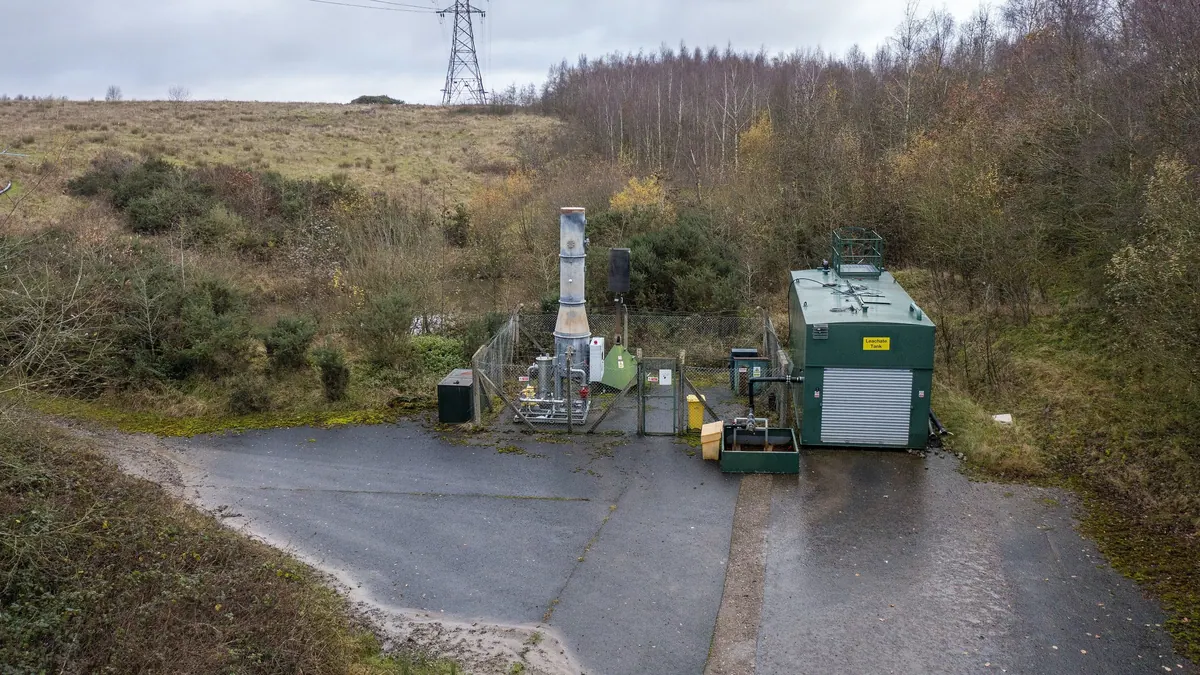
The report does not create rules, but it sets out the scientific framework for national and EU policies. It indicates that in scenarios consistent with 1.5°C, rapid reduction of all greenhouse gases is needed, not just CO₂. Methane is special in this context: its lifetime in the atmosphere is short, but its warming potential – over the short term – is many times higher than that of CO₂. Its reduction therefore gives quick effects, and some measures are low-cost, such as limiting leaks from gas infrastructure or capturing landfill gas.
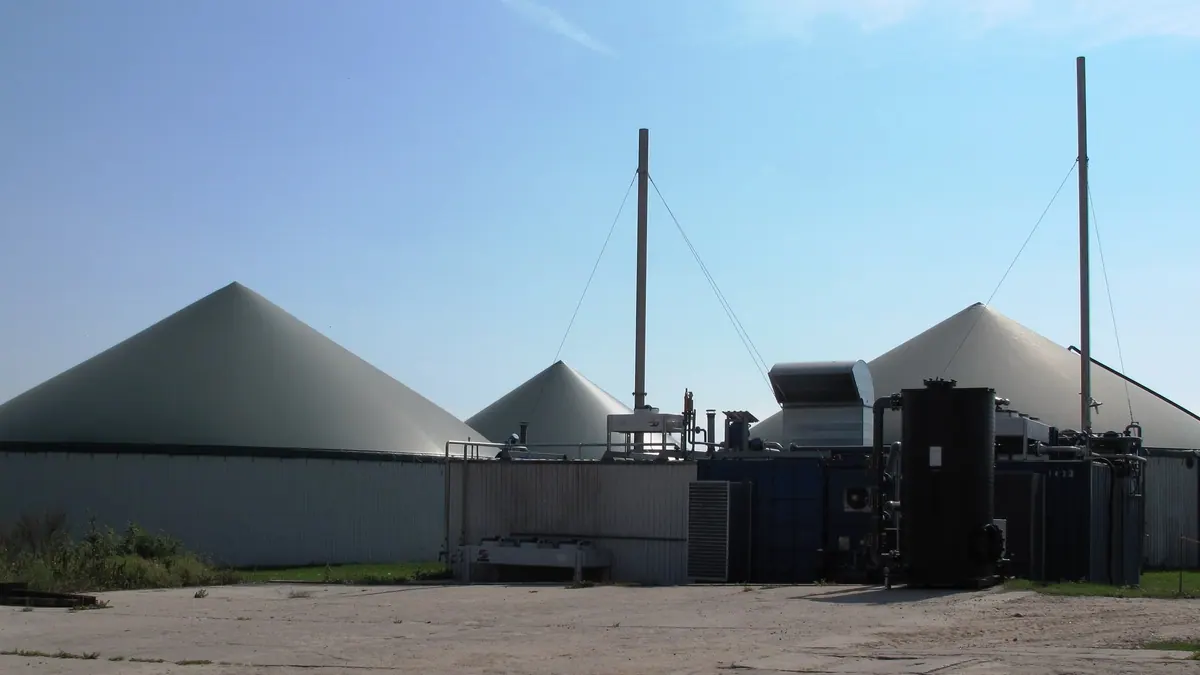
In the agricultural and waste sectors the report points, among other things, to better management of manure, reducing food waste and separate collection of biowaste. Biogas plants and biowaste digestion are, in this puzzle, a tool that combines reducing methane emissions with energy production.
Significance for the industry in Poland
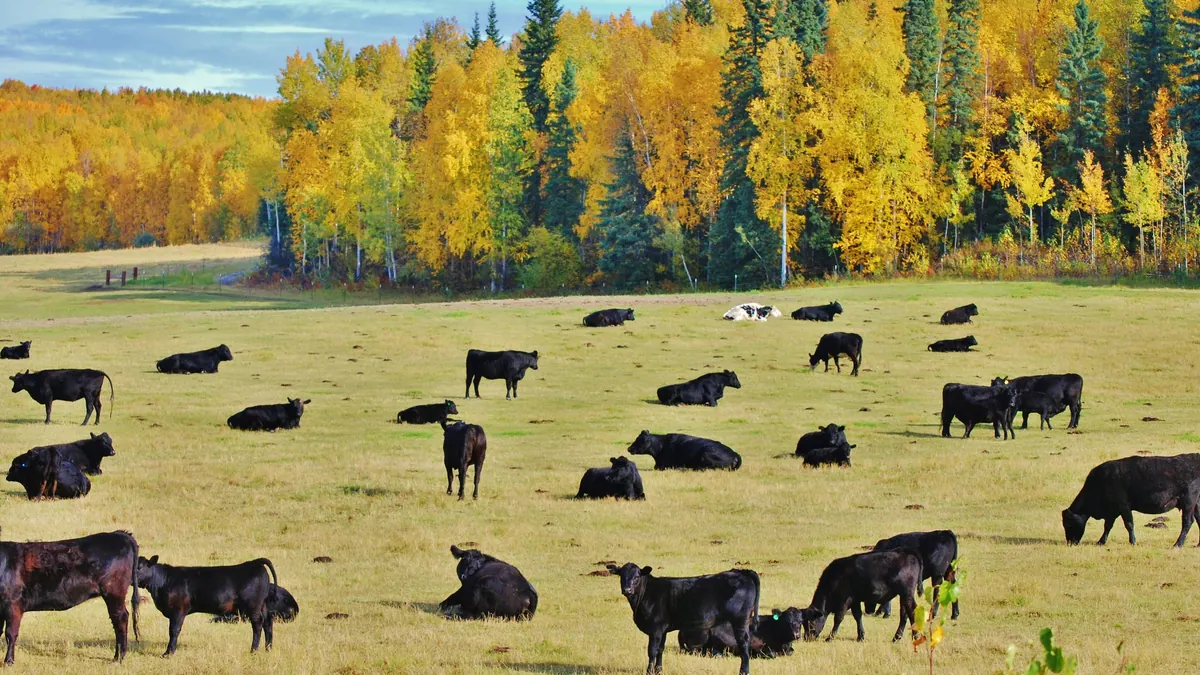
Poland has significant methane emissions from livestock farming, landfills and coal mining. Methane fermentation of slurry, manure and biowaste reduces these emissions at source, and the biogas produced replaces fossil fuels. For many farms the added value is also digestate, which can reduce the use of mineral fertilisers.
The arguments from the report also strengthen the position of the European Commission, which in December 2021 proposed a regulation on reducing methane emissions in the energy sector. For the industry this means that methane policy will become increasingly demanding, and measuring and monitoring emissions the standard.
What the report says about renewable gases
Among the options for reducing emissions the report lists bioenergy and gases from waste, stipulating that sustainable feedstocks and avoiding competition with food production are key. This is consistent with the direction of EU policy: support is to go primarily to installations using waste, residues and manure. In practice this increases the advantage of projects based on slurry and agri-food industry waste over those based mainly on energy crops.
What next
The next item on the climate agenda will be the COP27 conference in Egypt and work on the EU "Fit for 55" package. Biogas producers should prepare for growing requirements concerning leak detection and repair, the tightness of digestate tanks and documenting the emissions balance.
Sources
Related articles