Law and regulationEvent
Korea: reform of REC weights for biomass — end of certificates for co-firing at state-owned utilities from 2025
On 18 December 2024 Korea announced a phased reduction of REC weights for biomass: state-owned utilities lose certificates for co-firing from 2025, private ones from 2026. Domestic forest biomass keeps its weights.
Other language versions: polski.
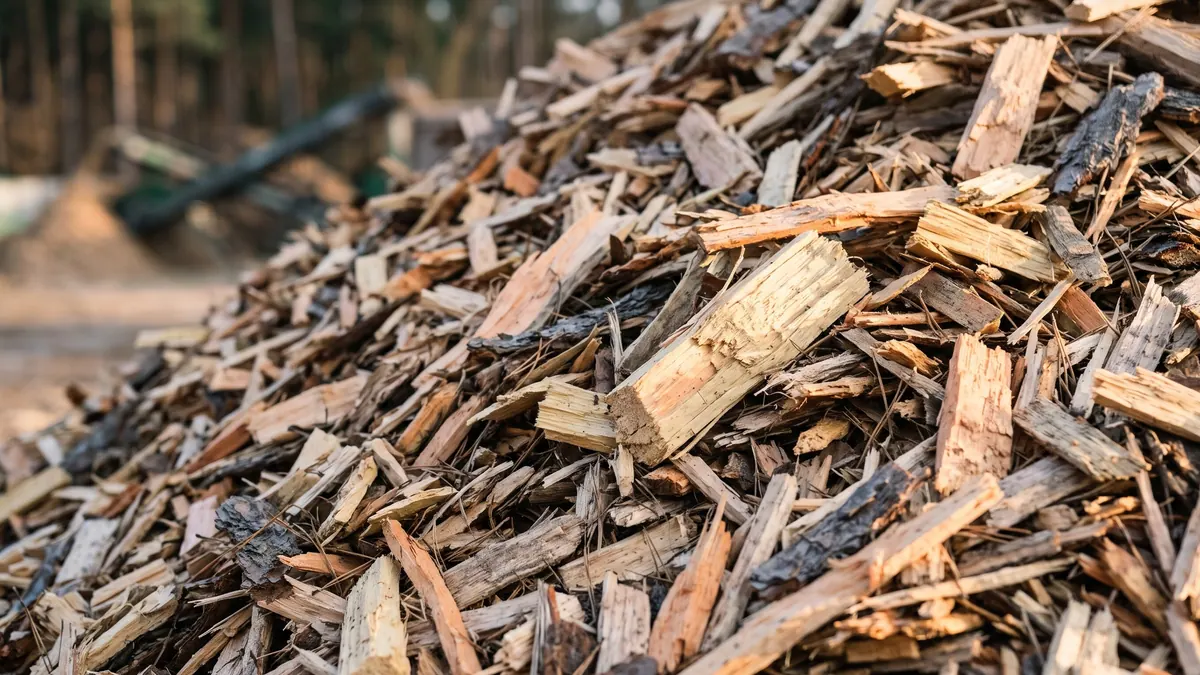
South Korea is reducing support for biomass in its RPS system. According to an analysis by Solutions for Our Climate, the authorities announced on 18 December 2024 a gradual reduction of REC weights: from 2025 for state-owned utilities and from 2026 for private ones. The exception is domestic forest biomass, which keeps high weights.
State-owned utilities
A dedicated biomass power plant burns only biomass, whereas co-firing means burning biomass together with coal in an existing coal-fired plant. The reform treats these two approaches differently.
According to the analysis in question, the changes for state-owned utilities are the fastest: - weights for dedicated biomass power plants fall from 2025 to one third of current levels; - co-firing in state-owned power plants stops receiving RECs from 2025.
New biomass power plants will not receive RECs from 2025; the exception is projects that have approved business permits or are under construction, and these are subject to the timetable for existing facilities.
In the RPS, the REC weight is the number of certificates awarded per 1 MWh. A fall in the weight therefore works like a cut in the support rate: the same energy earns fewer certificates.
Private utilities
In the private sector the changes begin in 2026 and are spread over time. Weights for dedicated power plants decline depending on the age of the installation, and newer facilities keep high weights into the 40s of this century. Co-firing in private power plants loses its weights gradually, and according to the analysis the process is to take more than a decade.
What does not change
The weight for unused biomass from domestic forests (forest residues) remains high and unchanged. Bio-SRF installations producing solid fuel from wood waste and other plant material also remain unchanged (SRF is solid recovered fuel made from waste).
Background
This is another step in reducing support for imported biomass. In July 2020 the Korean ministry MOTIE halved the number of RECs for co-firing imported wood pellets, to 0.5 REC/MWh, and in December 2021 the RPS obligation for large generators was raised, as we describe in a separate article.
Significance
In a system with REC weights, the regulator can change the profitability of an entire technology with a single decision, without amending the law. The direction of change is clear: the importance of domestic biomass is growing, while the role of co-firing and imported fuels is shrinking. For investors this means regulatory risk linked to REC weights, which can be changed by a ministry decision. Biogas from organic waste is regulated in Korea by a separate act, with production obligations (see the article on the biogas act).
Sources
Questions and answers
Do the changes concern biogas?
The source discussed concerns solid biomass (co-firing, dedicated power plants, forest biomass). Weightings for biogas are not discussed in it.
Related articles