BiogasEvent
Korea: the act on biogas from organic waste in force since 31 December 2023; obligations from 2025
On 28 December 2023 the Ministry of Environment announced that, from 31 December, an act has applied that obliges large producers of organic waste – pig farms, slurry treatment plants and food waste producers – to produce biogas (from 2025 for public entities, from 2026 for private ones).
Other language versions: polski.
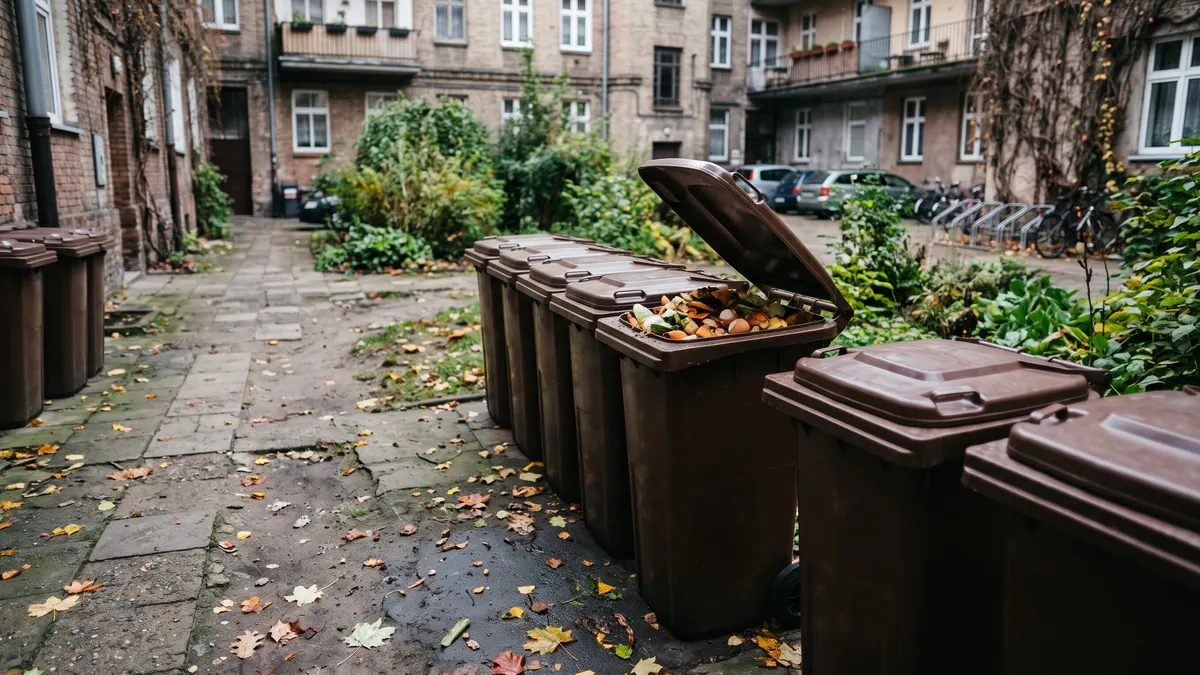
The Ministry of Environment of South Korea announced on 28 December 2023 that, from 31 December, an act has applied under which entities generating large amounts of organic waste will have to produce biogas from it (obligations begin in 2025 for public entities and in 2026 for private ones). The obligation stems from the act on promoting the production and use of biogas from organic waste, passed at the end of 2022. According to the Korea Herald of 29 December 2023, both public and private entities that generate waste such as slurry and food waste are obliged.
Who is covered
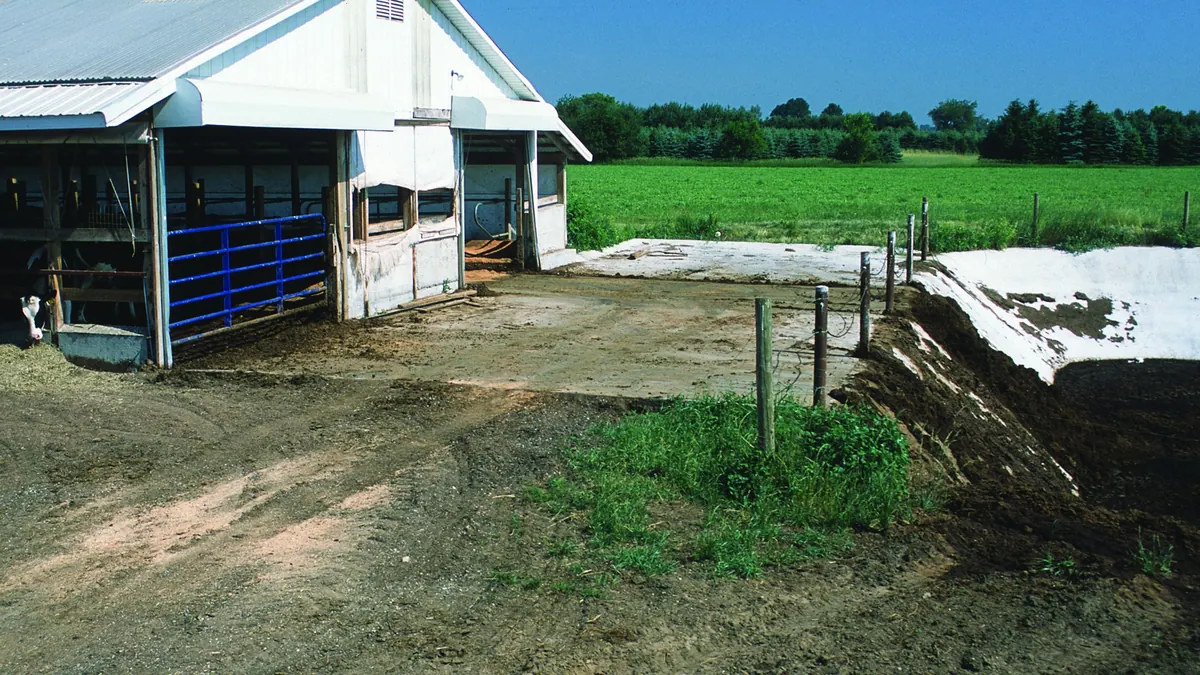
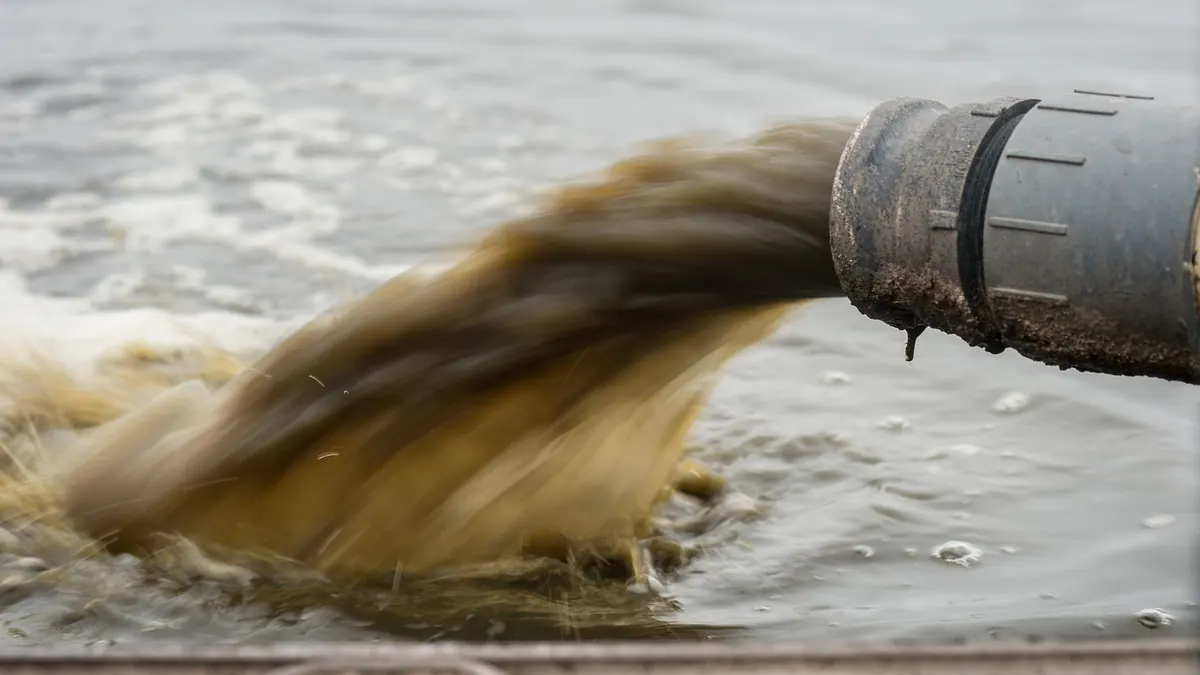
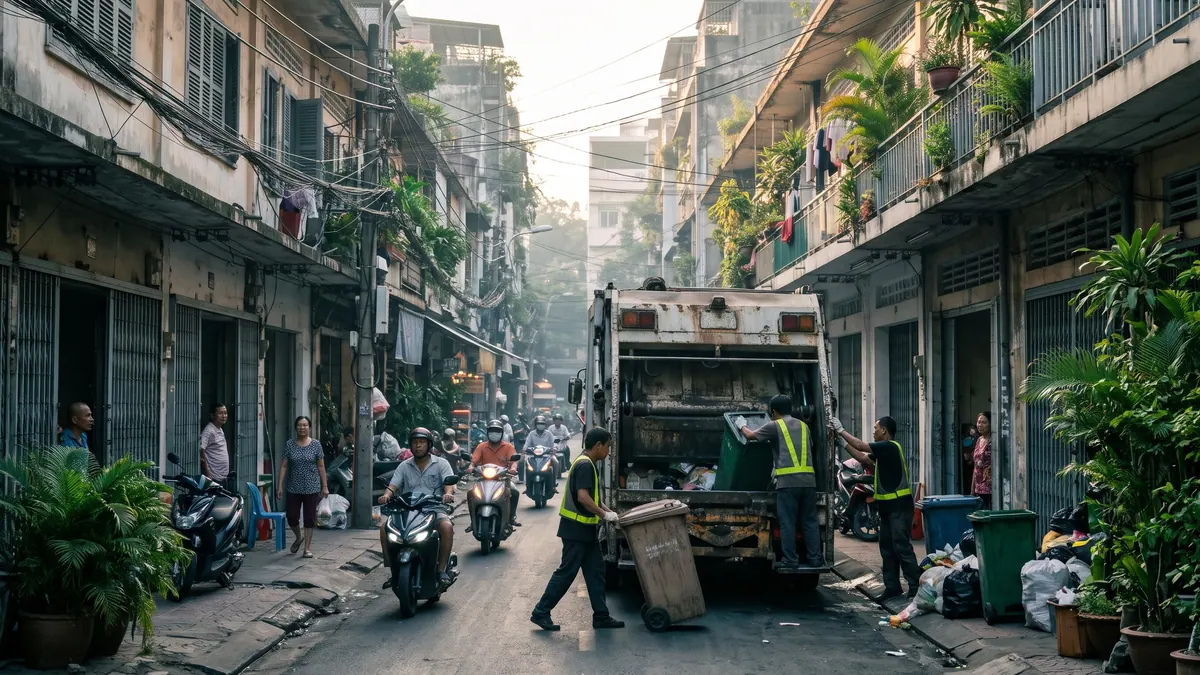
The Korea Herald lists three categories of private entities: pig farms with more than 25,000 pigs, slurry treatment plants (more than 100 t per day) and food waste producers generating more than 1000 t a year. The public entities are local authorities. The act itself provides that the obligations for public entities begin on 1 January 2025 and for private ones on 1 January 2026.
Targets and penalties
The schedule of targets is described in different ways. The Korea Herald (29 December 2023) reported: up to 50% of the biogas potential of waste in the public sector from 2025, up to 10% in the private sector from 2026, and a gradual rise to 80% by 2045. Asia Economy, reporting on a KIER statement in September 2023, wrote of producing biogas from at least 80% of organic waste by 2050, and the obligation was to take effect on 31 December 2023. Because the level of the targets is set by the regulation, its text must be checked before any business decisions are made. Failure to meet the target results in a financial penalty; no amounts were given. Exemptions are commissioning biogas production from another entity (commissioned production), plant construction and natural disasters.
Support
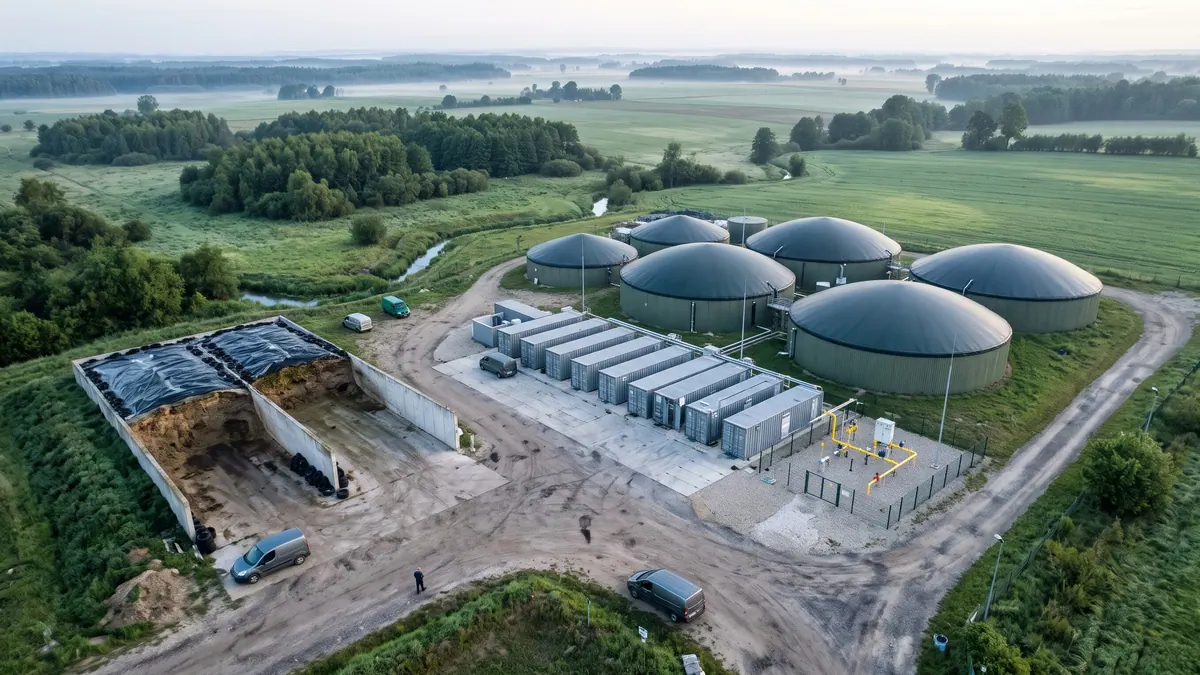
The ministry announced support for local authorities: in 2024 for up to eight (compared with four in 2023) in building biogas plants, as well as grants for private entities subject to the obligation to cover installation and operating costs. In 2024–2026 the ministry is to set up a biogas centre at the Korea Environment Corporation and run an integrated information system. Kim Jong-ryul of the Water Environment Policy Division said that, with the passing of the act, a legal basis has been created for increasing biogas production from organic waste and that the ministry will do everything to support the obliged producers.
Significance
The Korean solution places the obligation to produce biogas on waste producers rather than on energy suppliers. This carries a cost risk for livestock farmers.
Sources
- Asia News Network / Korea Herald – South Korea to produce biogas from organic waste resources
- Argus – S Korea unveils biogas strategy, eyes 1mn t/yr GHG cut (aktualizacja)
- Asia Economy – KIER: technologia uszlachetniania biogazu (11.09.2023)
- Ministerstwo Środowiska Korei – briefing o strategii biogazowej (korea.kr, 21.06.2024)
Related articles