Digestate and fertilisersExplainer
Korean digestate: from the ban on dumping slurry at sea to liquid fertiliser from biogas plants
Dumping slurry and sludge at sea was banned in Korea in January 2012, and food waste leachate in 2013. Digestate from slurry biogas plants goes mainly as liquid fertiliser; in December 2025 a bill was submitted to change the limits on its application.
Other language versions: polski.
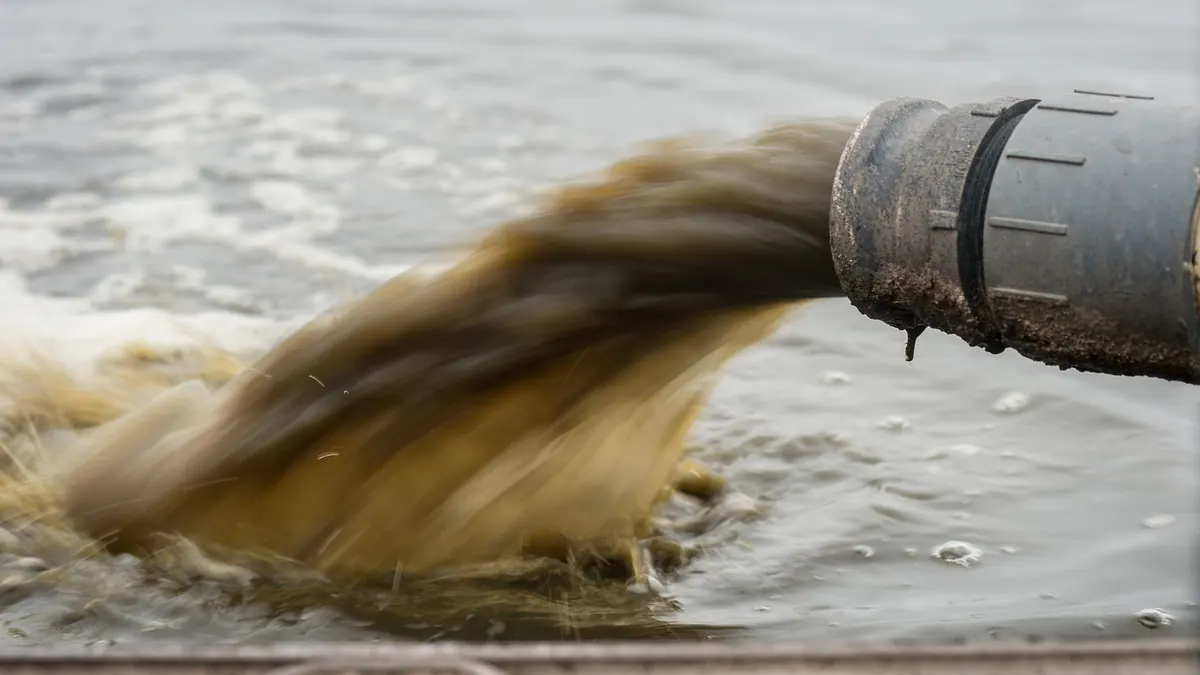

For years South Korea disposed of part of its organic waste, including slurry, by dumping it at sea. According to a review in Frontiers in Marine Science (Kim et al., 2023), from the end of the 1980s the government licensed ocean dumping only of waste that was hard to process on land, but because of the NIMBY syndrome and higher land-based treatment costs the amount of waste dumped rose sharply, and in 2005 more than 20 times as much waste went to sea as in 1987. A major factor was the exemption from the obligation to build treatment facilities in the case of dumping slurry at sea.
The dumping ban
Korea acceded to the London Protocol in 2009. Sewage sludge and slurry, which together made up about 80% of the amount of waste dumped at sea, were banned in January 2012, and food waste leachate in 2013. The remaining about 20% – sludge from industrial wastewater treatment plants – could be dumped only if it could not be processed on land; dumping of industrial wastewater sludge ceased completely in 2016. The ban forced the sector to look for land-based solutions, including anaerobic digestion and the production of liquid fertilisers. Among the legal changes, the agriculture ministry introduced in 2014, by presidential decree, quality and testing standards for compost and liquid fertiliser from slurry.
Legal and institutional background
The article in Frontiers in Marine Science describes how the act was amended in 2001 to introduce the “polluter pays” principle, together with a charge for improving the marine environment (the method of calculating it was set in an implementing regulation in 2002). In 2008 the act on preventing marine pollution was replaced by the act on marine environment management, which gave priority to international conventions, and in 2009, after the legal framework was created, Korea formally acceded to the London Protocol. In September 2009 the agriculture ministry abolished the exemption from the obligation to build slurry treatment facilities where all the slurry was handed over to entities engaged in ocean dumping. In 2021 an act on the management of marine waste and contaminated marine sediments was passed. Frontiers distinguishes four types of organic waste managed as sludge: sewage sludge, slurry, food waste leachate and industrial wastewater sludge.
The role of biogas plants
A Korean study of pig slurry anaerobic digestion facilities (Journal of Animal Environmental Science, 2014) indicates that the number of such facilities is growing thanks to interest in alternative energy. The facilities were built on large farms or in public slurry resource centres; most of the plants operating at the time produced biogas from pig slurry containing 97% water, and the methane fed an engine with a generator. Digestate is most often used as liquid fertiliser after a maturation process, and only in a few cases can it be discharged after wastewater treatment. The authors point to the problem of C/N imbalance: the nitrogen content was too high to keep it within the normal treatment process. This means that the fate of the digestate determines the profitability of a biogas plant: without an off-taker for the fertiliser, the plant has to bear treatment costs.
Legal status of liquid fertiliser
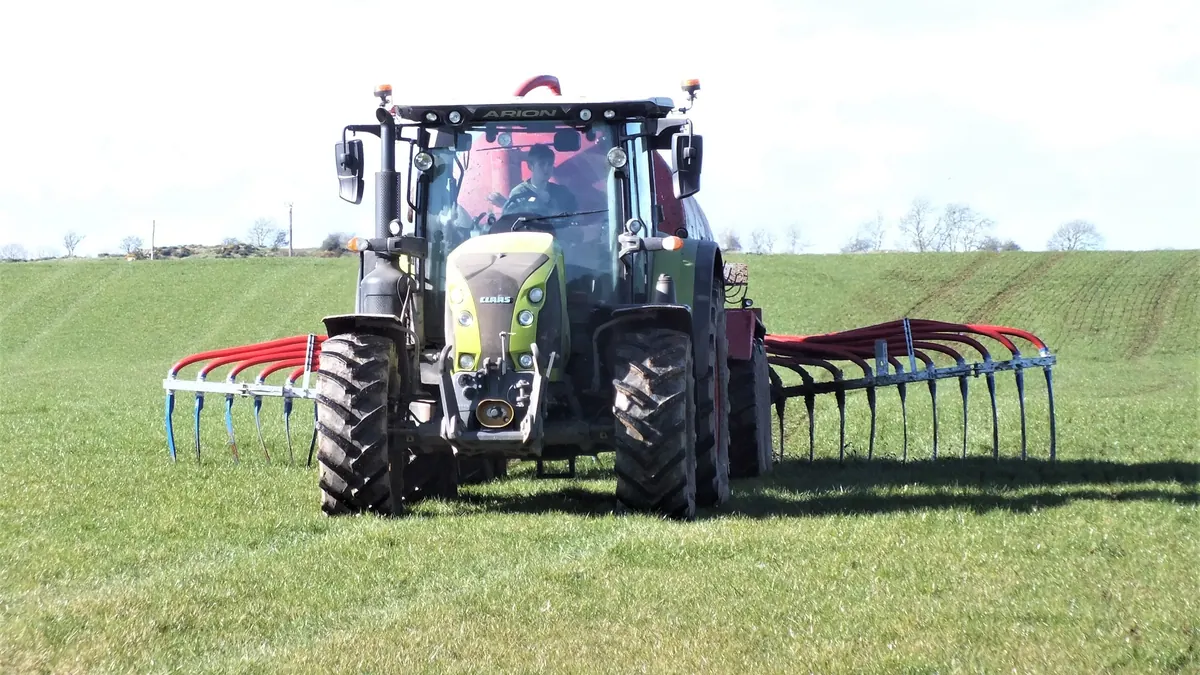
According to the Korea Farmers' Newspaper (via Tridge), liquid fertiliser from digested slurry is registered as a fertiliser under the process standards for fertilisers, but – unlike mineral fertilisers – it is subject to spreading standards under the slurry act that the farming community considers “excessive”. Lawmaker Moon Geum-ju (Democratic Party) submitted on 19 December 2025 a bill amending the act on slurry management and use, which exempts from spreading standards liquid fertiliser from digested slurry produced at plants registered for fertiliser production, in order to promote the circulation of slurry resources. The livestock sector welcomed the bill as an improvement in regulation. The status of the bill should be checked in the legislative register.
Conclusions
- The ban on ocean dumping was a catalyst for the development of biogas and liquid fertilisers, but it increased the pressure on land-based management of digestate.
- Sustaining the system requires clear standards for application and fertiliser quality, and the Korean dispute over spreading standards shows that limits that are too strict can hamper the market for digestate-based fertilisers.
- For Poland the conclusion is that policy on slurry and digestate cannot be pursued in isolation from energy policy: only combining a ban on disposing of excreta with a market for biogas and fertilisers gives the economics a sound footing.
Sources
- Kim et al. (2023), Frontiers in Marine Science 10 – Korea's ocean dumping management system
- KoreaScience – Status of Anaerobic Digestion Facility for Pig-slurry in Korea (Journal of Animal Environmental Science 20(1), 2014)
- Tridge / Korea Farmers' Newspaper – Livestock manure fermentation liquid fertilizer (23.12.2025)
- Tridge – Livestock manure fermentation liquid fertilizer, spraying standards
Related articles