Digestate and fertilisersExplainer
Digestate in Japan: slurry from biogas plants in Hokkaido as a liquid fertiliser
Biogas plants in Hokkaido create a large stream of liquid digestate. What are the numbers (140 biogas plants, 800,000 cows) and what does Japanese research say about its use on arable fields?
Other language versions: polski.
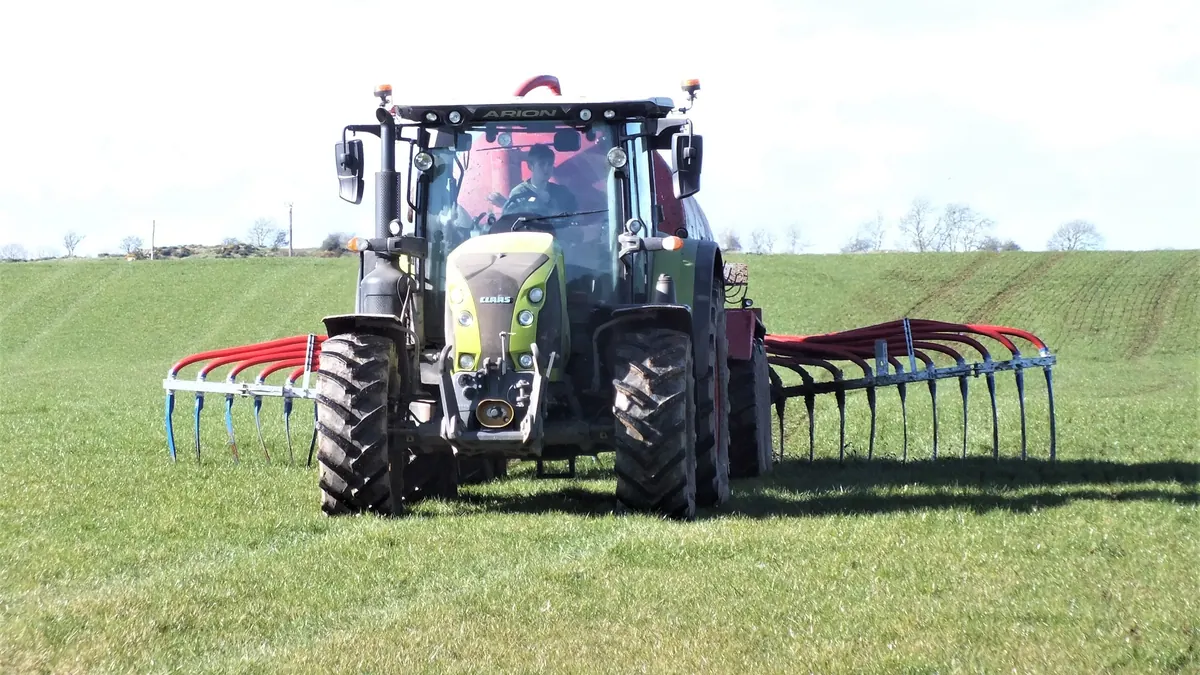

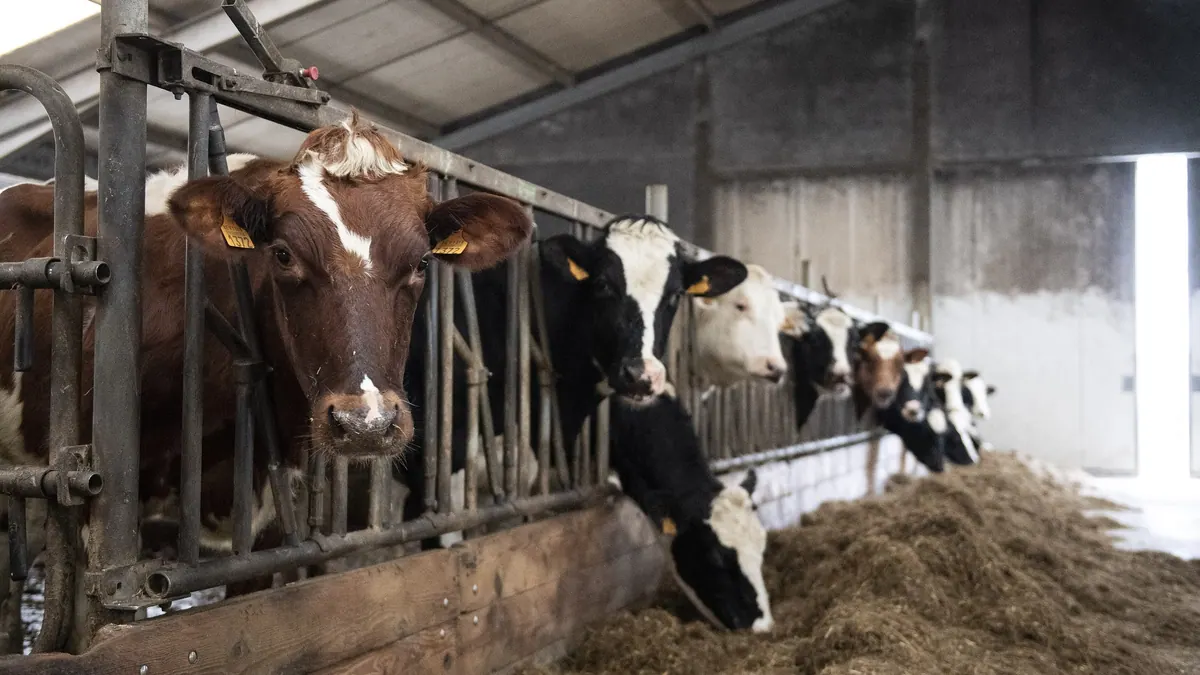
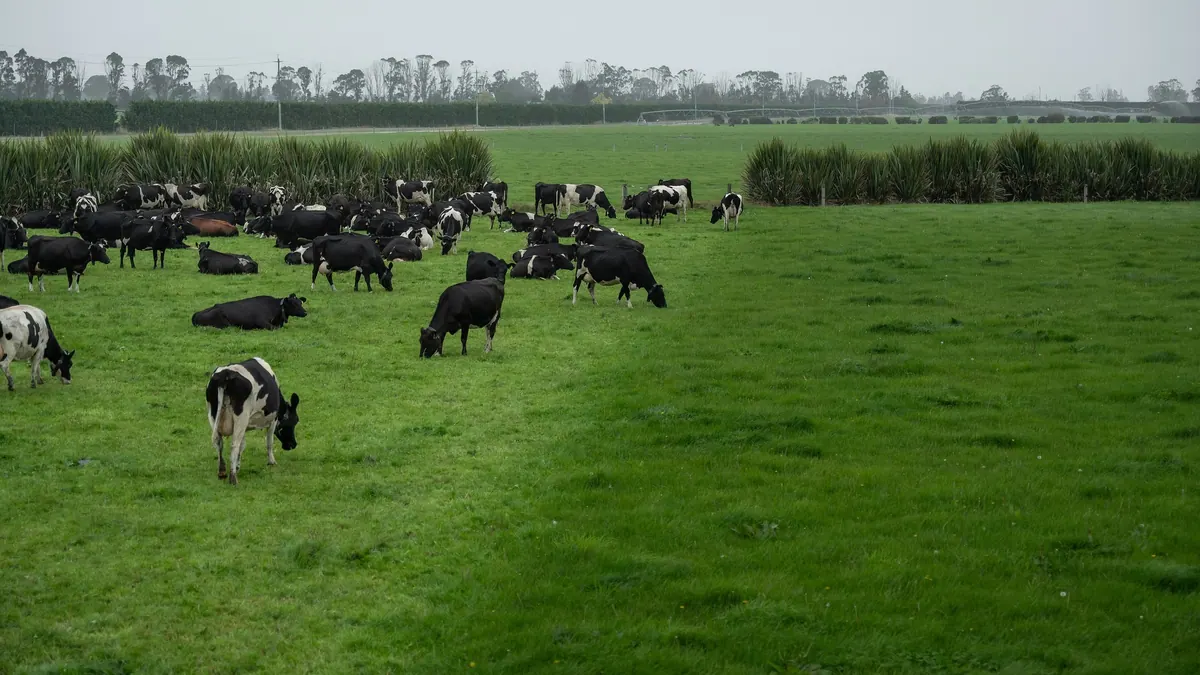
Hokkaido is Japan's largest dairy cattle region — according to the government cited by Agriland, more than 800,000 dairy cows live there, and the island accounts for 50% of national milk production. The development of biogas plants in this region means that, besides energy, a large stream of digestate arises that must be managed.
Scale: manure and biogas
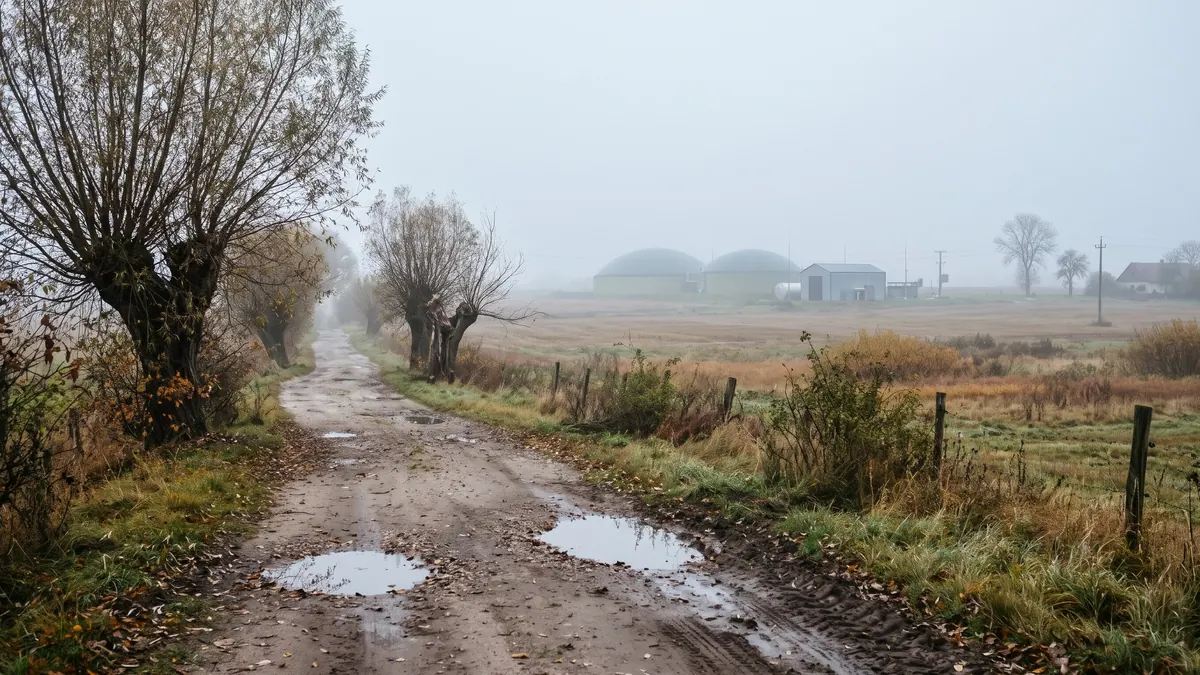
According to Assoc. Prof. Shiho Ishikawa of the Faculty of Engineering at Hokkaido University, one dairy cow produces about 65 kg of manure per day, and about 30–35 m³ of biogas is obtained from a tonne of manure, of which about 55% is methane. According to an estimate from the same source (without stated assumptions), about 800,000 cows yield about 1.2 million kWh of electricity per day, which corresponds to the demand of about 130,000 households (Hokkaido had 2.5 million households in 2020). The first research biogas plants in Hokkaido were built at Rakuno Gakuen University and then at Hokkaido University; at present, according to the same author, about 140 biogas plants operate — from small single-farmer installations to large ones run by local authorities, such as the one in Shikaoi.
The challenge: large quantities of liquid digestate
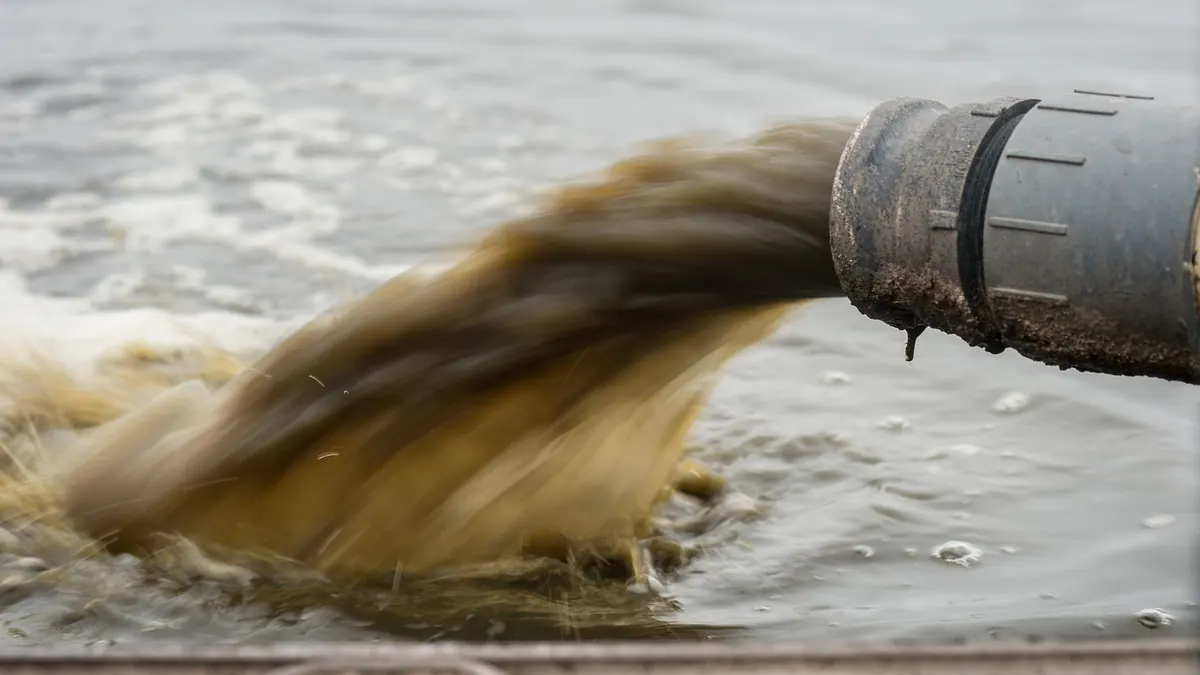
A Japanese study published in 2025 in the "Japanese Journal of Farm Management" (Ashida and co-authors, NARO) stressed that disposing of large quantities of digestate from biogas plants is a serious challenge. One response is to encourage its use as a liquid fertiliser on nearby arable fields. The authors analyse inputs of compost, slurry, digestate and mineral fertilisers on crop farms in the Tokachi region (a municipality designated in the publication as "A"), where dairy cattle farmers have long supplied farmers with compost and slurry. Assessing digestate as a substitute for mineral fertilisers requires taking these traditional organic fertilisers into account, and fertilisation so far had been limited to the nitrogen component.
Digestate as a fertiliser
Agriland describes that the plant in Shikaoi processes manure into an odourless liquid fertiliser (digestate) and biogas. According to Prof. Ishikawa the basis is "circulation farming": healthy soil, good feed for cows and returning waste to the fields, while processing manure reduces the labour and cost of managing it. Agriland adds that energy from biogas powers everyday work on farms — feeding, watering, milking, cooling milk and cleaning — which lowers electricity bills.
Manure as a hydrogen feedstock
Agriland recalls that Japan's Ministry of the Environment in 2015 expanded the existing biogas installations in Shikaoi and commissioned the construction of the Shikaoi Hydrogen Farm, in which hydrogen is produced from manure methane. The hydrogen goes into cylinders that are delivered to farms or sold to energy companies. Project representative Tomohiro Inoue speaks of the goal of creating a "town that produces and consumes hydrogen that emits no CO₂". A separate entry describes this site in detail.
Challenges for biogas producers and research directions
Ishikawa points out that a power plant must at every moment supply as much energy as is consumed, so a growing share of renewables requires controllability. Engines fuelled by biogas reach rated output relatively slowly, so her team studied how quickly generators from different manufacturers, fuelled by biogas of varying composition, reach a set output after a command, and published the results. Together with researchers from Germany the team is also analysing more efficient use of biogas — besides electricity and heat, also the production of hydrogen from biogas, which can be stored and transported as a carrier of energy from biomass. A second strand of research concerns measuring methane in cattle breath: instead of costly and stressful respiration chambers, laser methane detectors are used, which do not measure the size of emissions but make it possible to simply track methane concentration in animals and look for a link with their behaviour. The third strand is smart systems for dairy farms based on cheap sensors and cameras, which are to assess the comfort of animals and the farmer's work and, for example, automatically switch off overworked fans.
Conclusions for Poland
The Hokkaido experience shows that in regions with a high concentration of livestock farming, biogas production alone is not enough: planning the management of digestate and its logistics is just as important, and research results that compare digestate with existing organic and mineral fertilisers on specific crops are helpful. In Poland, matching doses to crop needs and nitrogen limits matters in the same way.
Sources
- Uniwersytet Hokkaido – Utilizing livestock manure to build a greener cycle (S. Ishikawa)
- J-STAGE – Ashida et al., Japanese Journal of Farm Management 63(2), 2025: organic matter and fertilizer inputs for evaluating digested slurry in upland farming
- Agriland – Japan's dairy farmers unlock energy potential of cow manure (13.03.2025)
- Agriland – Japan's dairy farmers unlock energy potential of cow manure
Related articles