BiogasExplainer
Shikaoi in Hokkaido: biogas from cow slurry, biomethane and hydrogen for local vehicles
The Environmental Conservation Center in Shikaoi has operated since 2007 and processes slurry; since 2017 biogas has been upgraded with membranes and converted to hydrogen, and since 2022 a hydrogen station has operated there.
Other language versions: polski.
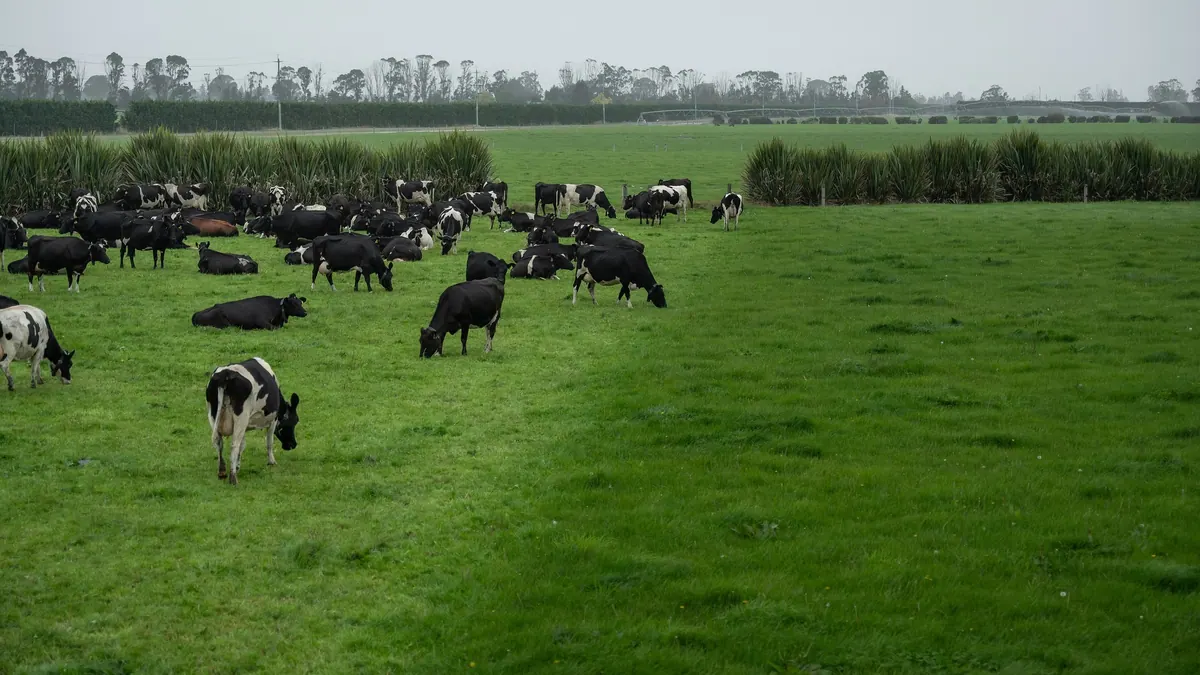

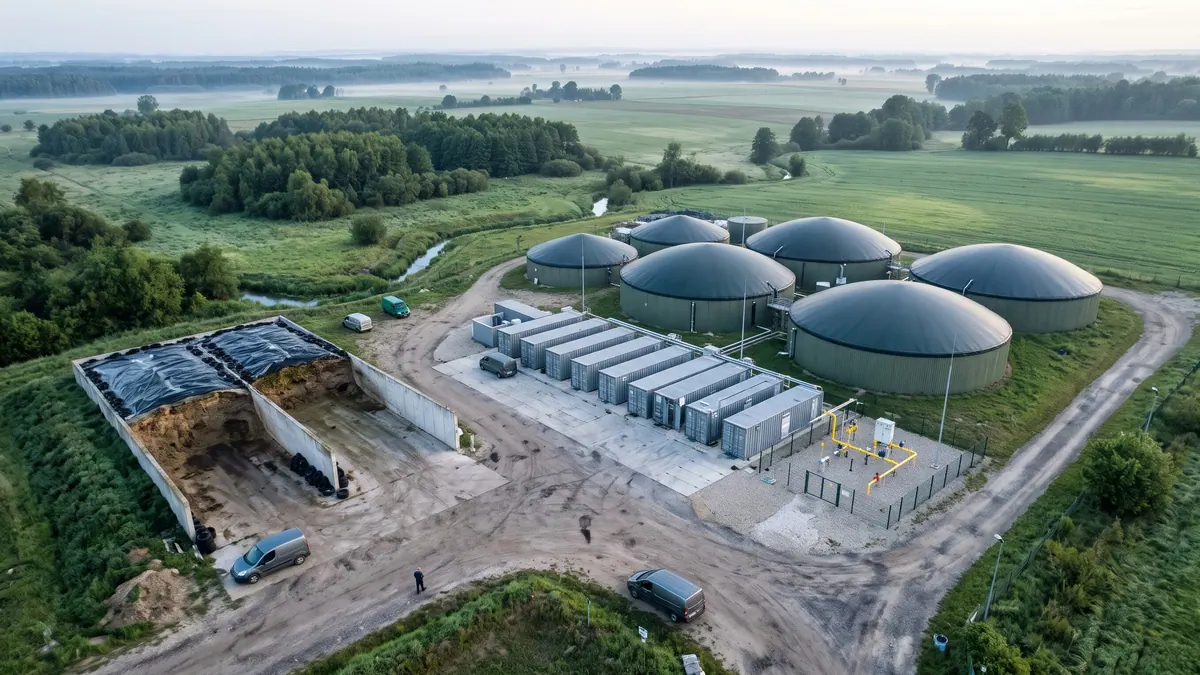
Shikaoi, a dairy town in Hokkaido, is one of the most frequently cited examples of combining agricultural biogas with hydrogen. According to WSEW (Sankei Shimbun, June 2024), the town has a little over 5,200 inhabitants and about 21,000 dairy cows, and the Environmental Conservation Center has operated since October 2007. The facility can process manure from 1,870 head of cattle per day; food waste and sludge are also digested. The biogas powers two gas generators, and surplus electricity is sold to Hokkaido Electric Power.
The biogas plant and heat
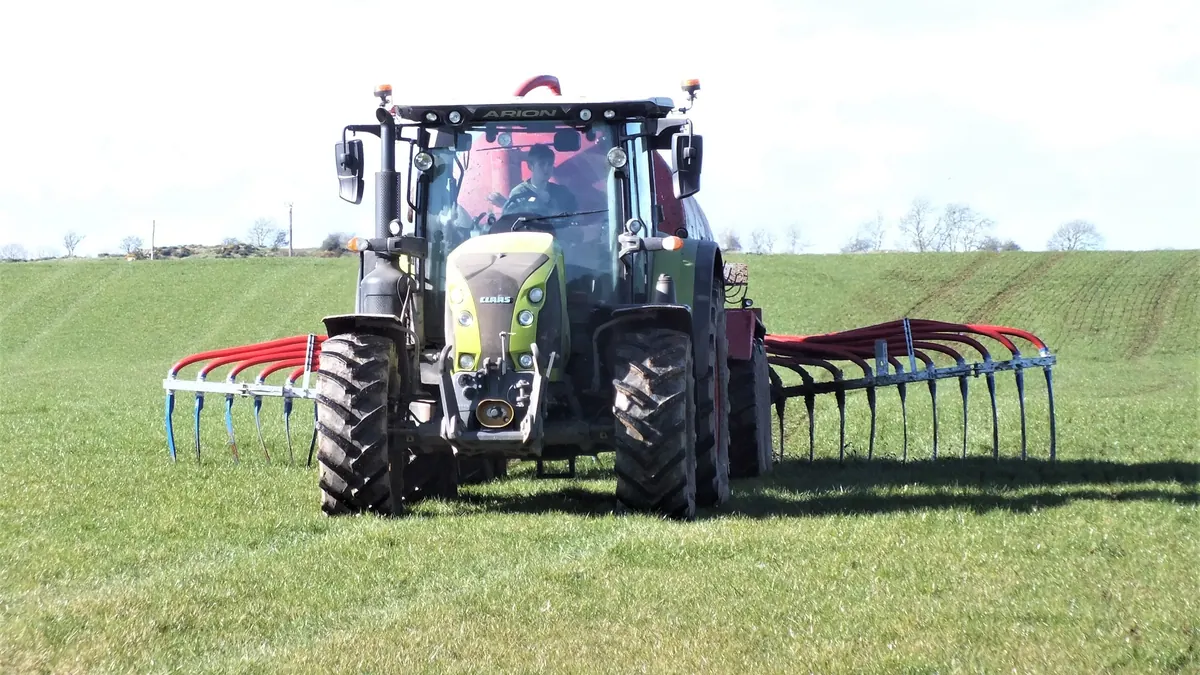
The feedstock comes from the surrounding dairy farms. Waste heat from energy production has been used since 2014 in greenhouses on the site, where mangoes, sweet potatoes and tomatoes, among other crops, are grown; under a demonstration project the heat is also used to regulate temperature in sturgeon-rearing pools. The total cost of building the centre was 1.745 billion yen, of which the municipality covered 350 million yen thanks to grants from the national government and Hokkaido. In 2016 a second plant was commissioned in another part of the municipality, capable of processing manure from 3000 head of cattle per day. The fee for using both centres is 12,570 yen per head of cattle per year; initially farmers reacted negatively to the new costs, but because the work of producing fertiliser from manure decreased, according to the municipality no contract has been terminated. Of about 80 dairy farms in the municipality, about 30% use manure processing.
The road to hydrogen
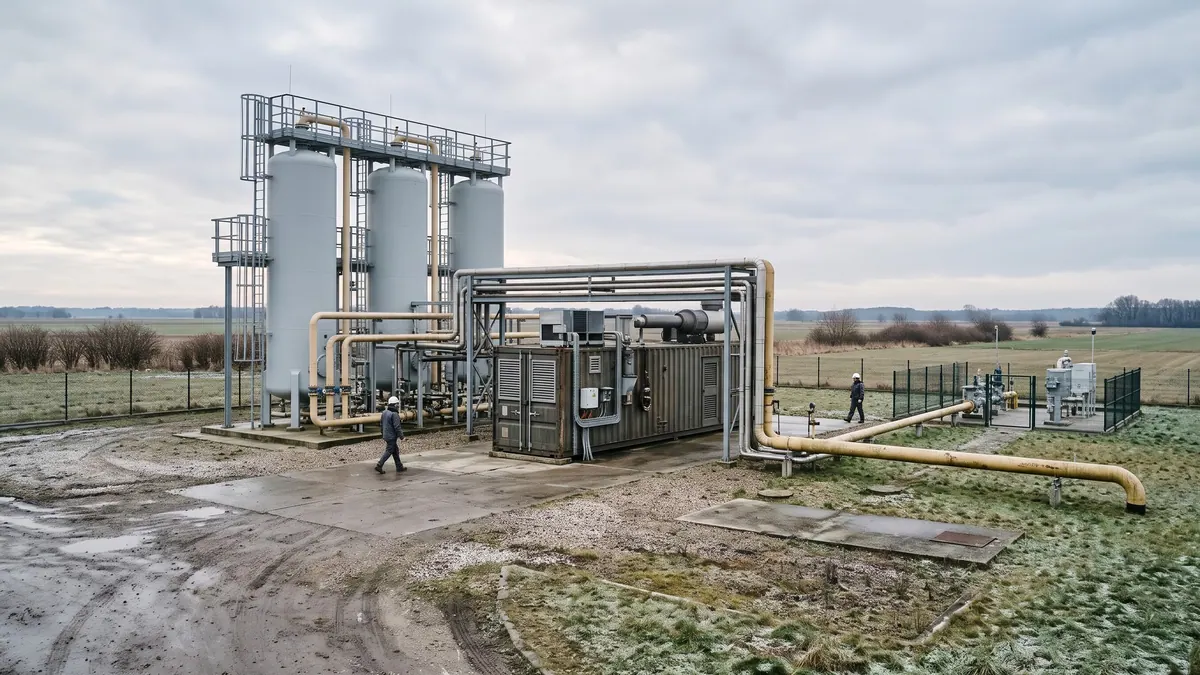
The official opening of the Shikaoi Hydrogen Farm took place on 24 January 2017. According to the World Biogas Association, biogas from the digestion of agricultural waste and manure from nearby farms is upgraded in Air Products PRISM PB membrane separators, and the resulting biomethane is used on site to produce renewable hydrogen, from which heat, power and vehicle fuel are produced. According to Hydrocarbon Engineering, Air Products also supplied the SmartFuel refuelling station technology, and the first hydrogen vehicle refuelling station in Hokkaido was installed at the site, serving vehicles and forklifts; the project partners also included Air Water, Kajima and Nippon Steel & Sumikin Pipeline & Engineering. The hydrogen returns to surrounding farmers and neighbouring facilities as a source of renewable energy. The site was described as the first facility in Japan to use agricultural waste as a source of hydrogen. The project was a five-year demonstration supported by Japan's Ministry of the Environment.
According to WSEW, hydrogen from biogas methane is today sold at the "Shikaoi Hydrogen Farm" station, built in May 2022 by two private companies. It is the only station in Japan selling hydrogen derived from livestock manure; the municipality also uses fuel cells in some official vehicles, and the station is visited by tourists travelling around Hokkaido in hydrogen cars.
Background: biogas in cattle farming in Hokkaido
Agriland (March 2025) reports, citing the Japanese government, that more than 800,000 dairy cows live in Hokkaido, and that the island accounts for 50% of national milk production. Professor Shiho Ishikawa of Hokkaido University estimates that a dairy cow produces about 65 kg of manure per day, and that 30–35 m³ of biogas can be obtained from one tonne. According to the same source, about 140 biogas plants have been installed in Hokkaido since then — from small single-farm installations to large ones run by local authorities and research institutes; energy from biogas powers everyday work on farms (feeding, watering, milking, milk cooling), which lowers electricity bills. Prof. Ishikawa stresses the principle of "circulation farming": healthy soil, good feed for cows and returning waste to the fields, while processing manure reduces the labour and cost of managing it. Agriland adds that in Shikaoi manure is turned into an odourless liquid fertiliser (digestate) and biogas.
Conclusions
Shikaoi is an example of a local "closed loop": slurry – biogas – energy, heat and fuel. The scale is, however, small, and the municipality is considering building further plants, because the capacity of the current ones does not allow all farms to be covered. For Poland this example is rather an organisational inspiration (a fee per head of cattle, use of heat in greenhouses) than a technological model: the choice of hydrogen makes sense where there is a fuel cell market and public support.
Sources
- World Biogas Association – Bio-hydrogen plant opens in Japan
- Hydrocarbon Engineering – First biomass-based hydrogen demonstration project in Japan (25.01.2017)
- Agriland – Japan's dairy farmers unlock energy potential of cow manure (13.03.2025)
- WSEW – Hokkaido Town Pioneers Next-Gen Biofuel and Power Generation from Livestock Waste
Related articles