BiomethaneEvent
Korea: KIER upgrades biogas to over 97% methane in a pilot plant
The Korea Institute of Energy Research (KIER) developed a process for removing H₂S, CO₂ and moisture from biogas from food waste and slurry; the pilot processed an average of 3 t of biogas per day.
Other language versions: polski.
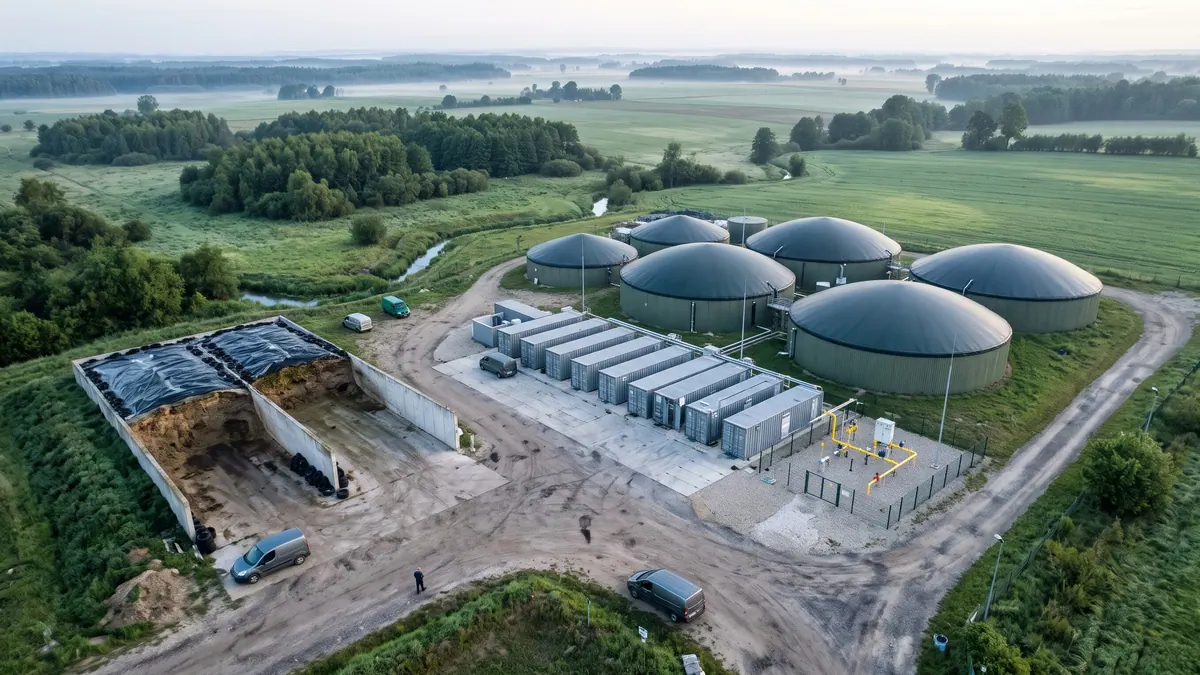
The Korea Institute of Energy Research (KIER) reported on 11 September 2023 that it had developed — together with the private company Ecobio Holdings — a technology that removes hydrogen sulphide, carbon dioxide and moisture from biogas from food waste and slurry, yielding biomethane with a purity above 97%. The pilot plant processed an average of about 3 t of biogas per day. The results, as stated, were confirmed by a Korea Testing Laboratory certificate, and gas of such purity is suitable for use in the city gas network and as a transport fuel.
How the process works
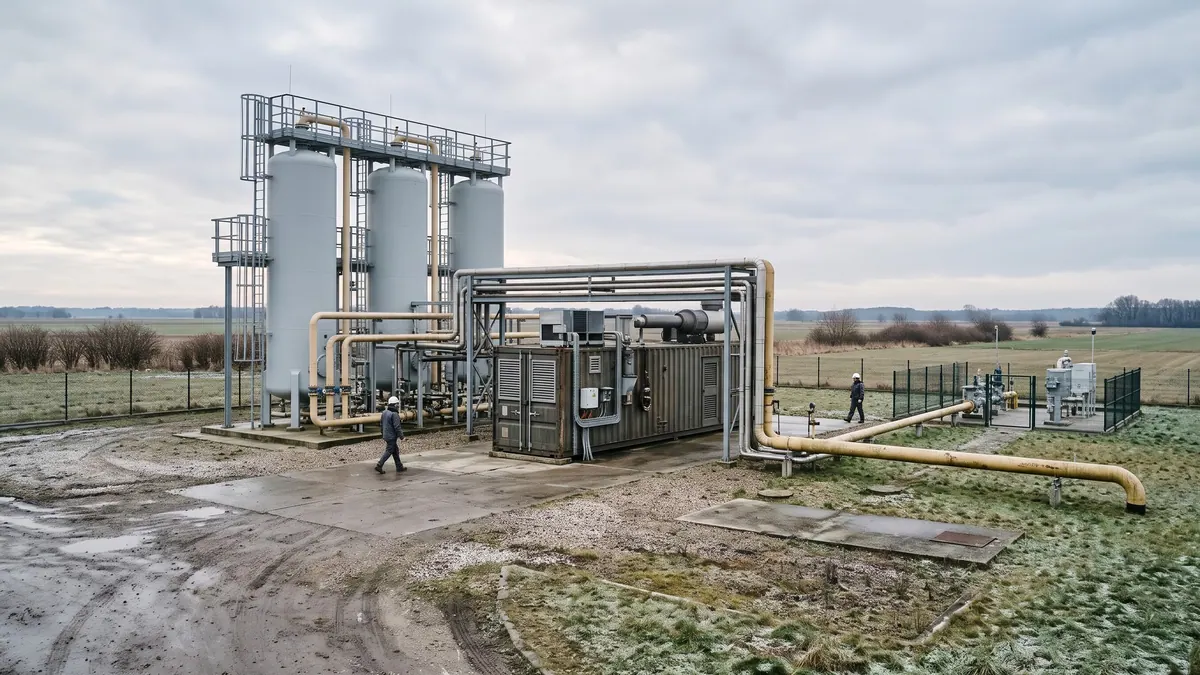
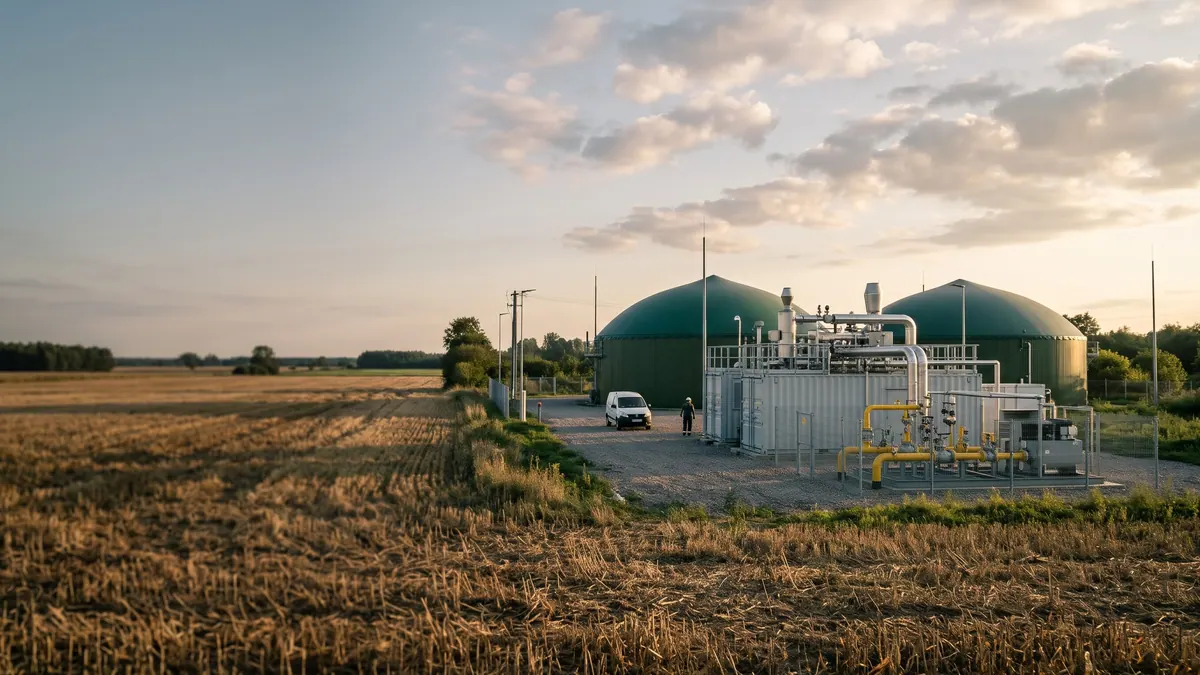
According to Asia Economy the system consists of two stages. In the first, preliminary one, hydrogen sulphide — the cause of odour and corrosion — is removed with an alkaline solution that is regenerated microbiologically, and the hydrogen sulphide is turned into biosulphur, which can be used as a fertiliser. The technology is meant to remove almost all hydrogen sulphide from biogas containing more than 4000 ppm of this compound, which resembles the properties of biogas in South-East Asia, and is said to be optimal for that market. In the second stage carbon dioxide is removed by absorption in water under high pressure, and moisture by adsorption. The equipment is divided into modules to ease transport and installation abroad as well. The photograph in the KIER release shows the biogas plant of the Eupjeongae agricultural cooperative.
Why this matters
Asia Economy writes that in 2019 Korea generated 65.37 million t of organic waste suitable for biogas (14.7% more than in 2010), and only 5.7% was used for energy; most goes to compost or liquid fertiliser. In Korea biogas from organic waste served mainly to produce heat and electricity on site, and injection of biomethane into the grid is only beginning. A 2019 paper by staff of the National Institute of Environmental Research (NIER) stated that in 2016 there were 90 biogas plants for organic waste in operation, and biomethane was produced at seven; the rapid expansion of biogas plants caused frequent failures and low efficiency.
Earlier work and legal background
In 2014 amendments to the city gas law entered into force that set the place of biogas in production and distribution. A team from Kwangwoon University tested in 2017 four biomethane enrichment processes (membrane, water absorption, chemical absorption and adsorption) and identified a solution giving 97% purity and 98% methane recovery, consistent with Korean requirements for city gas. Asia Economy recalls that at the end of 2022 an act was passed requiring biogas to be produced from at least 80% of organic waste by 2050; its obligations are to enter into force on 31 December 2023, and penalties are to be threatened for failing to meet the targets. A 3 t/d pilot does not translate directly to industrial scale, but it concerns substrates similar to those used by Polish biogas plants: food waste and slurry.
Sources
- Asia Economy – 'Barely Compost' Food Waste Opens Practical Resource Recycling Path
- KoreaScience – Moon et al. (NIER), Journal of the Korea Organic Resources Recycling Association 27(1), 2019
- KoreaScience – Ko et al. (Kwangwoon University), KIGAS 21(4), 2017: optymalizacja procesu wzbogacania biometanu dla gazu miejskiego
Related articles