BioLNG and bioCNGEvent
AFIR adopted: a new regulation on alternative fuels infrastructure, LNG in ports and hydrogen
On 13 September 2023 Regulation (EU) 2023/1804 on alternative fuels infrastructure (AFIR) was adopted. It replaces Directive 2014/94/EU and sets targets for chargers, hydrogen stations and LNG in seaports.
Other language versions: polski.
Regulation (EU) 2023/1804 on the deployment of alternative fuels infrastructure (AFIR) was adopted on 13 September 2023, published in the Official Journal of the EU on 22 September, and will enter into force on 12 October 2023. It replaces Directive 2014/94/EU and introduces binding targets for Member States for electric vehicle charging stations, hydrogen refuelling stations and supplies of liquefied natural gas in seaports. It applies in full from 13 April 2024. For the bio-LNG and bio-CNG market, it is the document that determines what infrastructure countries will build out.
What is changing
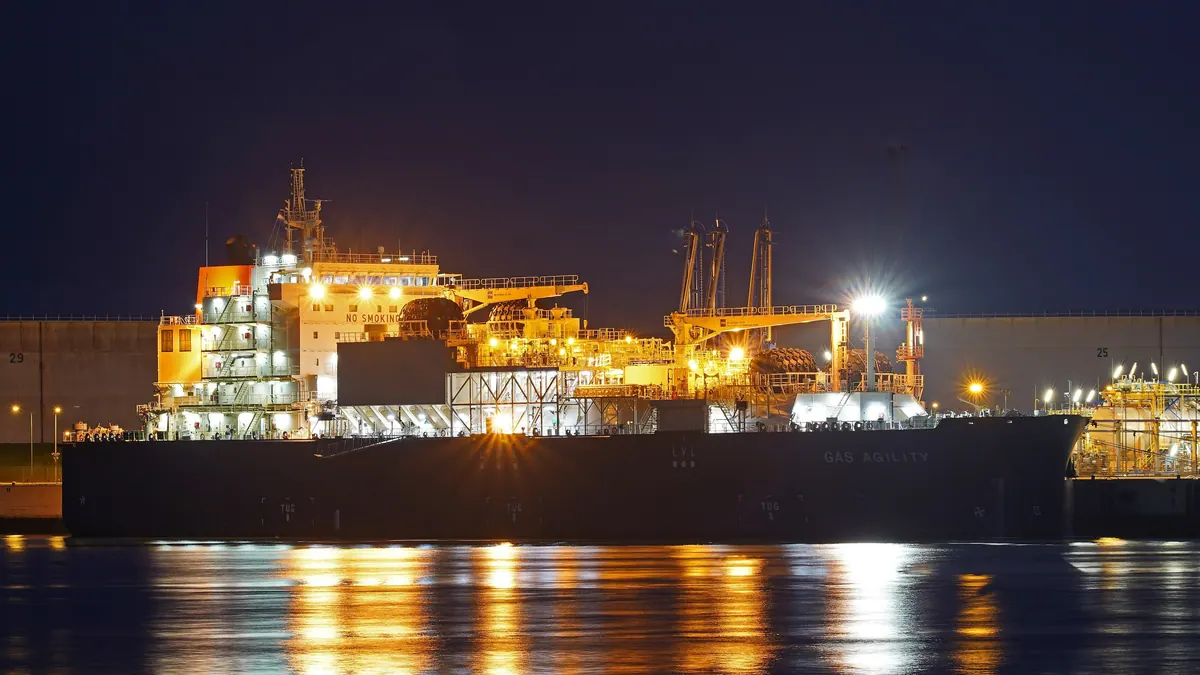
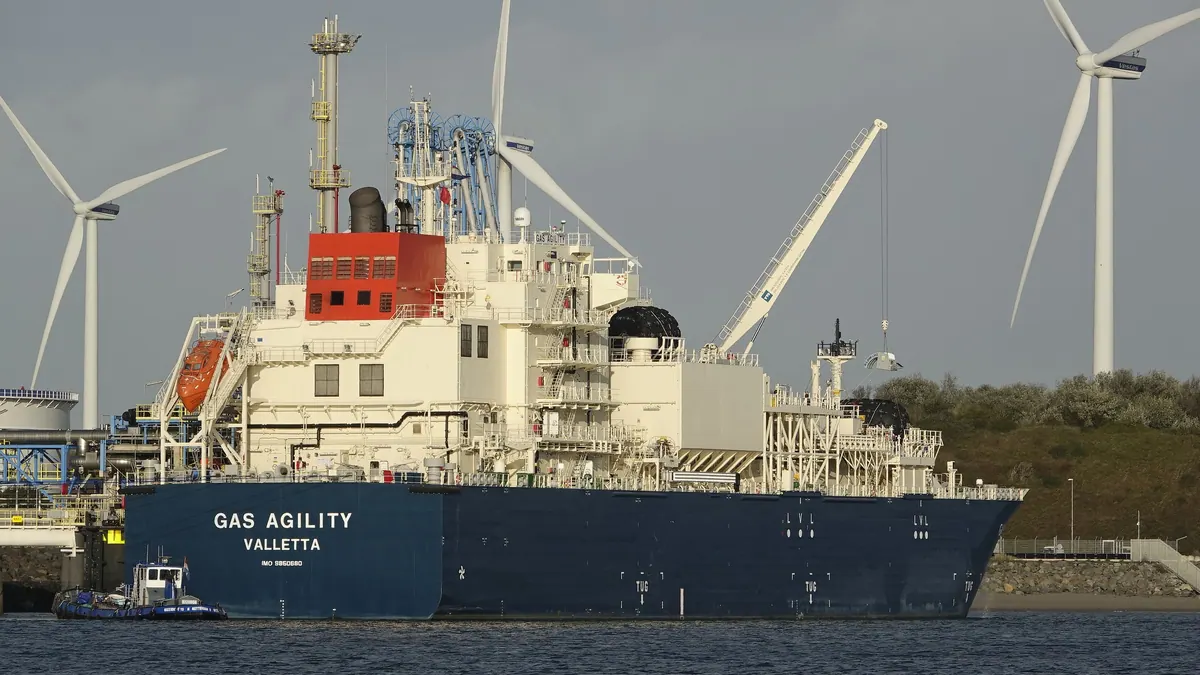
AFIR strengthens the earlier rules: instead of a directive, which countries implemented in their own way, a regulation applies directly. It sets minimum targets for infrastructure along the TEN-T network and in urban nodes: for electric charging and hydrogen stations. For liquefied methane, the regulation provides targets for supplies in seaports of the TEN-T core network (excluding inland ports), which is meant to support LNG-powered shipping.
It is important that – as the European Environment Agency points out – AFIR does not impose sustainability requirements on the fuel supplied at these points, so it may be fossil LNG. At the same time, shipping will be subject to separate emission intensity requirements (FuelEU Maritime), which favour renewable fuels.
Significance for the industry in Poland
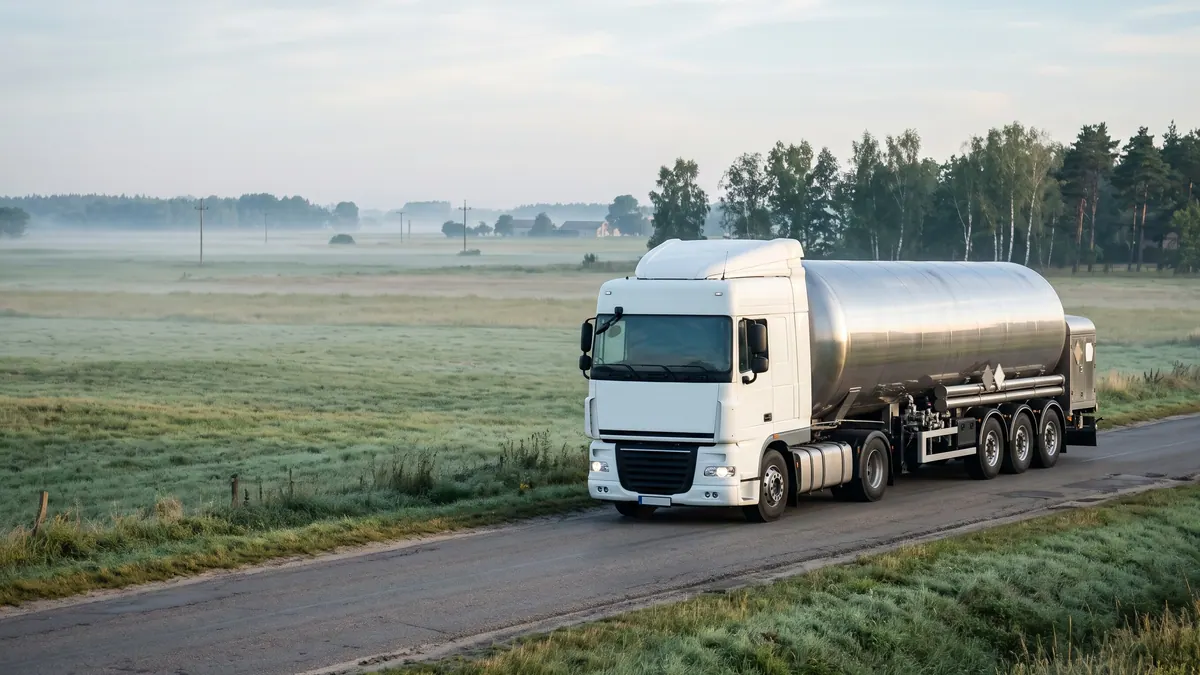
In Poland, gas infrastructure in transport is limited: there is a network of CNG and LNG stations serving mainly a fleet of buses and lorries. The regulation does not decide on the development of this network, but it signals that liquefied gas will be present primarily in shipping. For biomethane producers this means that any use in maritime and heavy-duty transport requires a combination of liquefaction, logistics, certification and long-term contracts with shipowners and fleet operators.
Seaports of the TEN-T core network in Poland will have to ensure the availability of LNG in line with the regulation's targets. The bunkering infrastructure being built can therefore also serve bio-LNG, if the market offers this fuel at a suitable price.
What to pay attention to
Fleet operators considering CNG/LNG should check which refuelling points are planned in their region and whether suppliers offer certified biomethane. It is also worth monitoring national infrastructure development plans, which countries are to prepare under AFIR.
The difference between a directive and a regulation
A directive required countries to implement national rules and gave them freedom in how they did so, which led to large differences in the pace of infrastructure development. A regulation applies directly and is meant to harmonise the targets, so investors can count on more predictable conditions. For the gas-in-transport market, however, this means that in EU policy the priority is given to electric charging and hydrogen, while liquefied gas remains a niche solution, linked mainly to shipping.
What next
Member States will draw up national implementation plans, and the Commission will review the regulation. For the biogas industry, decisions on support for CNG/LNG stations and on preferences for renewable fuels in public procurement will be key.
Sources
Related articles