Emissions and climateAnalysis
Agriculture and climate: the biogas plant as a tool for reducing emissions on the farm
Agriculture emits methane and N₂O, and a biogas plant can reduce part of the emissions from manure. We show what a biogas plant does for the climate, what it does not do, and how to calculate the effect for a farm.
Other language versions: polski.
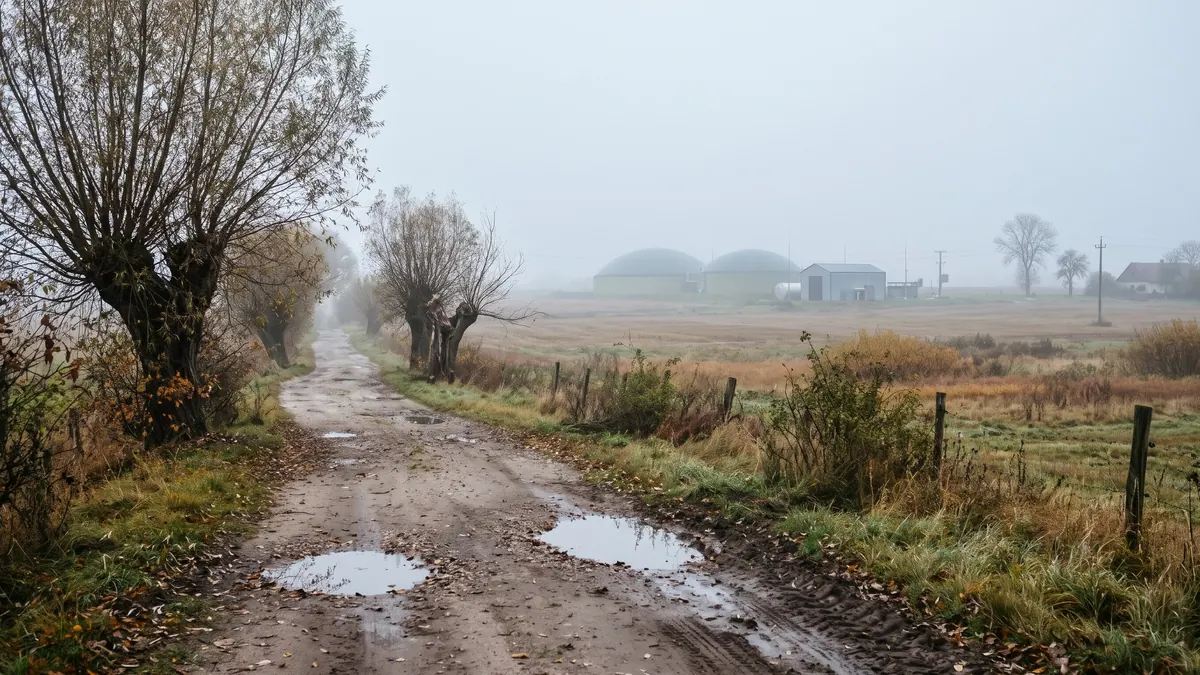
Agriculture is one of the largest sources of anthropogenic methane emissions – according to the Global Methane Assessment (2021) it accounts for about 40% of such emissions, mainly from the enteric fermentation of ruminants and manure management – as well as nitrous oxide from fertilisation. A biogas plant can reduce part of these emissions: it captures methane from the storage of slurry and manure, reduces emissions from digestate in closed tanks and replaces fossil fuel. It does not, however, reduce emissions from the enteric fermentation of animals or emissions from fields if fertilisation is not optimised. It is therefore one of the tools, not a cure for all agricultural emissions.
What a biogas plant does for the climate
- Reduces methane emissions from manure storage. Methane forms in slurry stored in tanks; in a biogas plant it is captured.
- Replaces fossil fuels with biomethane, electricity or heat.
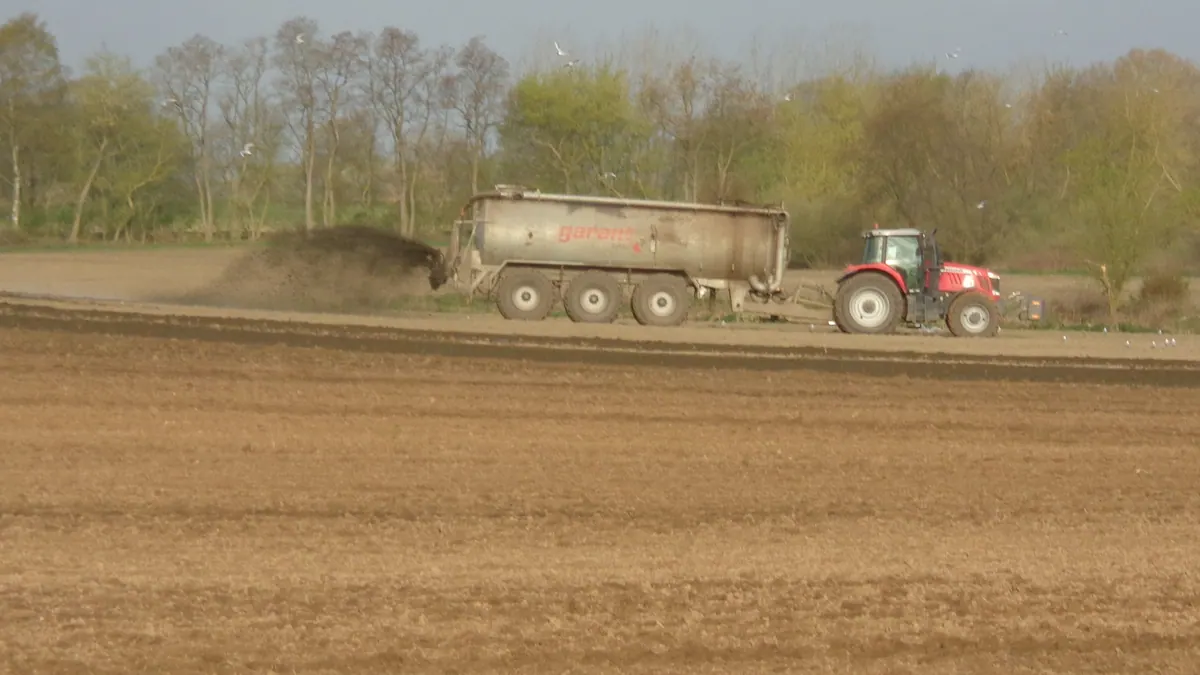
- Improves the predictability of digestate as a fertiliser. More precise nitrogen dosing reduces losses and N₂O emissions.
- Makes it easier to reduce odours and pathogens.
- Supports a circular economy (fertilisers, energy).
What a biogas plant does not do
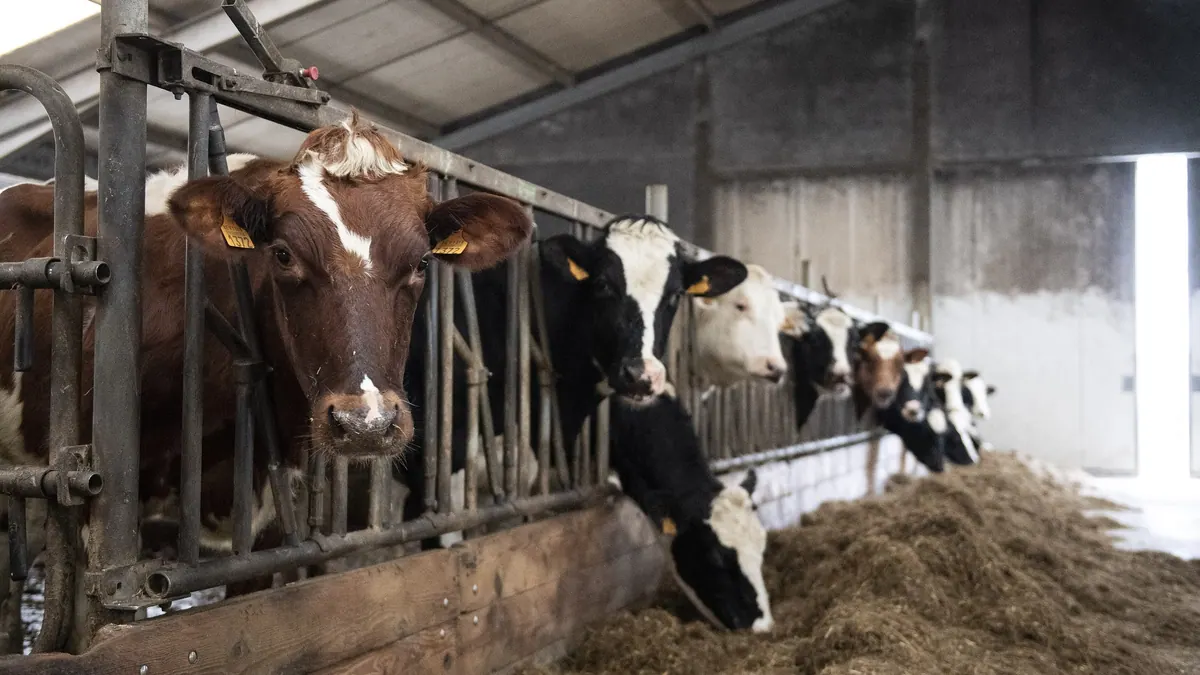
- It does not reduce enteric fermentation (the main source of methane from agriculture).
- It does not eliminate N₂O emissions from soil if nitrogen doses are too high.
- It does not solve ammonia problems if digestate application is improper.
- It may increase transport if substrates are brought in from far away.
Worked example for a farm (illustrative)
Assumptions: a farm with 500 dairy cows, slurry production 20 t/cow per year → 10,000 t/year. Biogas yield from slurry 20 m³/t → 200 thousand m³ of biogas, at 58% CH₄ about 116 thousand m³ of CH₄ ≈ 1.16 GWh. Methane emissions from storage under conditions assumed for the exercise: 3 kg CH₄/m³ of slurry → 30 t CH₄/year ≈ 840 t CO₂e (GWP₁₀₀ = 28). If the biogas plant captures 80% of these emissions, 24 t CH₄ ≈ 672 t CO₂e a year is avoided. Replacing natural gas with 1.16 GWh of biomethane gives about 0.2 tCO₂/MWh × 1160 = 232 t CO₂ a year. In total about 900 t CO₂e a year. For comparison, the enteric fermentation of 500 cows (assuming 120 kg CH₄/cow per year) is 60 t CH₄, i.e. about 1680 t CO₂e, which the biogas plant does not change. The example shows the scale and the fact that slurry alone yields little energy (1.16 GWh is only about 120 thousand m³ of biomethane), so a small plant at a farm requires co-substrates or a link with other farms.
Supporting practices
- Precise nitrogen dosing and application dates matching crop needs.
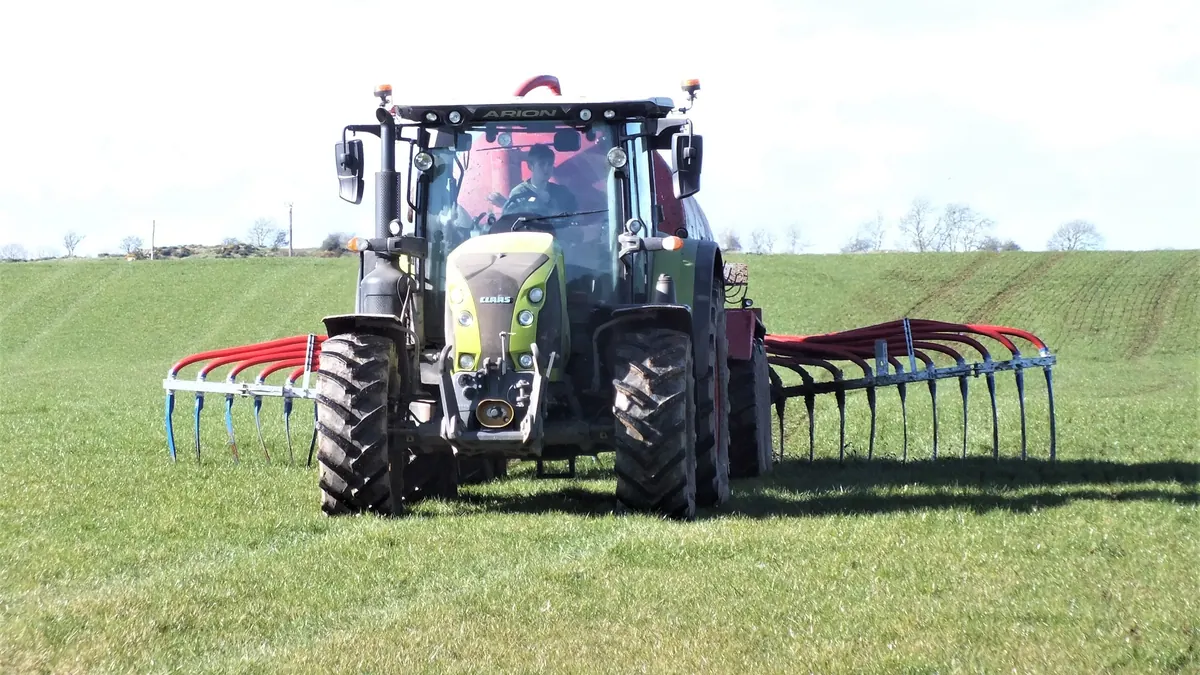
- Low-emission techniques: trailing hoses, injection, rapid incorporation.
- Covering tanks and recovering gas from digestate.
- Dietary changes that reduce enteric methane (a direction requiring further research and advice).
- Intermediate crops improving soil organic carbon.
- Cooperation between farms in collective plants.
Policy and financing
EU climate targets require emission reductions from agriculture, and instruments of the Common Agricultural Policy and national programmes can support investment in biogas and fertiliser management. Rules, budgets and the availability of support change, so they must be checked in current calls. Well-documented climate effects (mass balance, measurements, reports) make it easier to obtain support and to sell green attributes.
National scale
Polish agriculture has large manure resources, but farms are dispersed, which makes it difficult to collect it for large plants. Solutions are small biogas plants at large farms and collective plants around livestock centres. When assessing potential, the cost of transporting diluted slurry and the possibilities of managing digestate in line with nitrogen limits must be taken into account. Figures for the whole country require statistical data, and in this entry we present only the logic of the calculation.
How to measure the effect
For a farm an annual balance is useful: the quantity of manure, how it is stored, the quantity of biogas, energy consumption and production, digestate management, nitrogen doses. From such a statement emissions before and after the investment can be calculated. Credibility is improved by the involvement of an independent agricultural adviser and, where possible, measurements on tanks.
Summary
A biogas plant is a valuable element of an emission reduction strategy in agriculture, but works best in combination with good fertiliser practice and limiting methane losses. An honest balance should take into account both the benefits and the limits of this tool.
Sources
Related articles