Digestate and fertilisersEvent
The "Farm to Fork" strategy: fewer fertilisers, fewer nutrient losses, more biogas from agriculture
Communication COM(2020) 381 announces a reduction of nutrient losses by at least half and a 20% cut in fertiliser use by 2030. This matters for digestate and manure management.
Other language versions: polski.
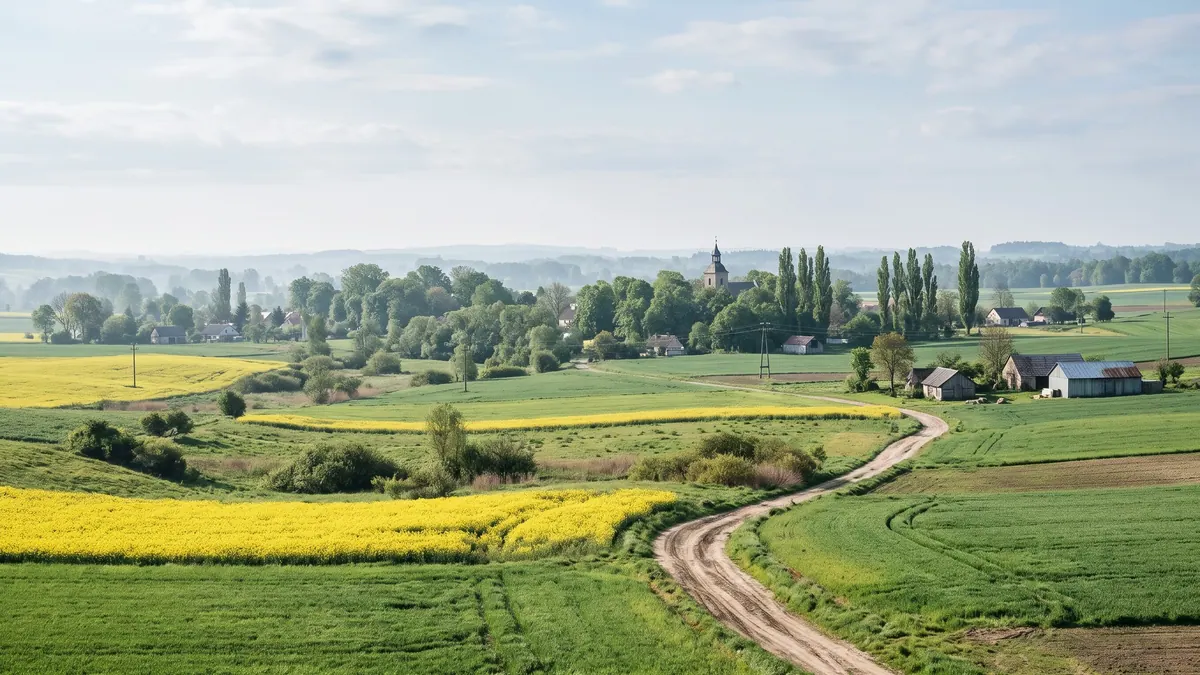
On 20 May 2020 the European Commission presented the "Farm to Fork" strategy (COM(2020) 381), which sets the direction of change in the European food system to 2030. For the biogas industry and for farmers, the most important goal is reducing nutrient losses by at least 50% and cutting fertiliser use by at least 20%, which changes the logic of managing manure, slurry and digestate.
Main targets to 2030
The strategy, together with the accompanying biodiversity strategy, formulates a set of quantitative targets:
| Area | Commission target for 2030 |
|---|---|
| Nutrient losses | at least −50% (without deterioration in soil fertility) |
| Fertiliser use | at least −20% |
| Pesticides | −50% of use and risk |
| Antibiotics in livestock farming | −50% of sales |
| Organic farming | 25% of agricultural land |
The Commission announced a proposal on reducing food waste and the development of an integrated nutrient management plan, which is to reconcile the needs of crops with the protection of water and air.
What this means for digestate and biogas
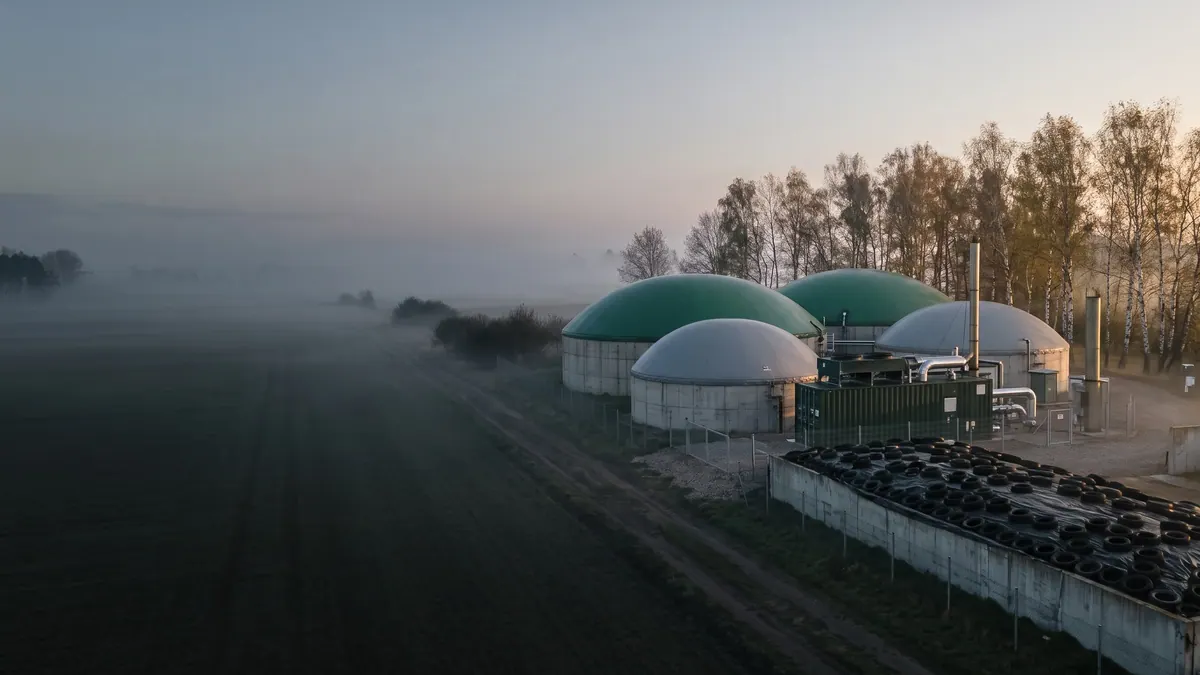
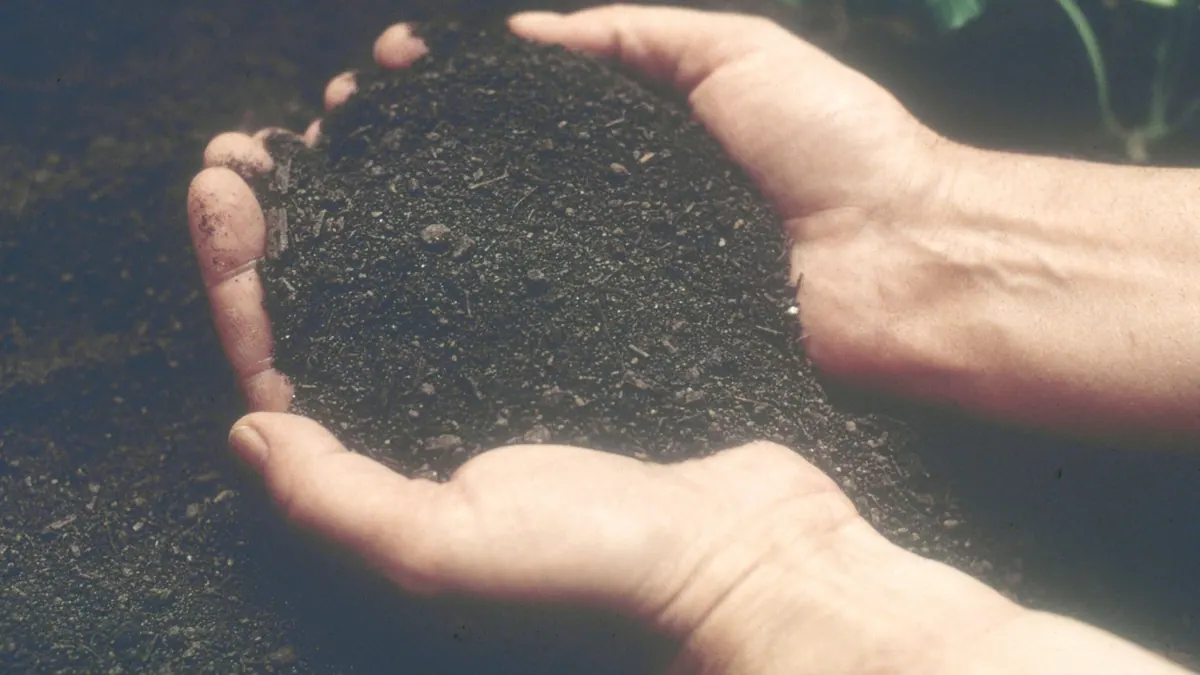
The document refers to reducing emissions from livestock farming, including methane, and indicates that one way is to use natural fertilisers and agricultural residues to produce energy. An agricultural biogas plant processes slurry or manure, reducing methane emissions from storage, and returns digestate to the fields as a fertiliser of more predictable composition than raw natural fertilisers.
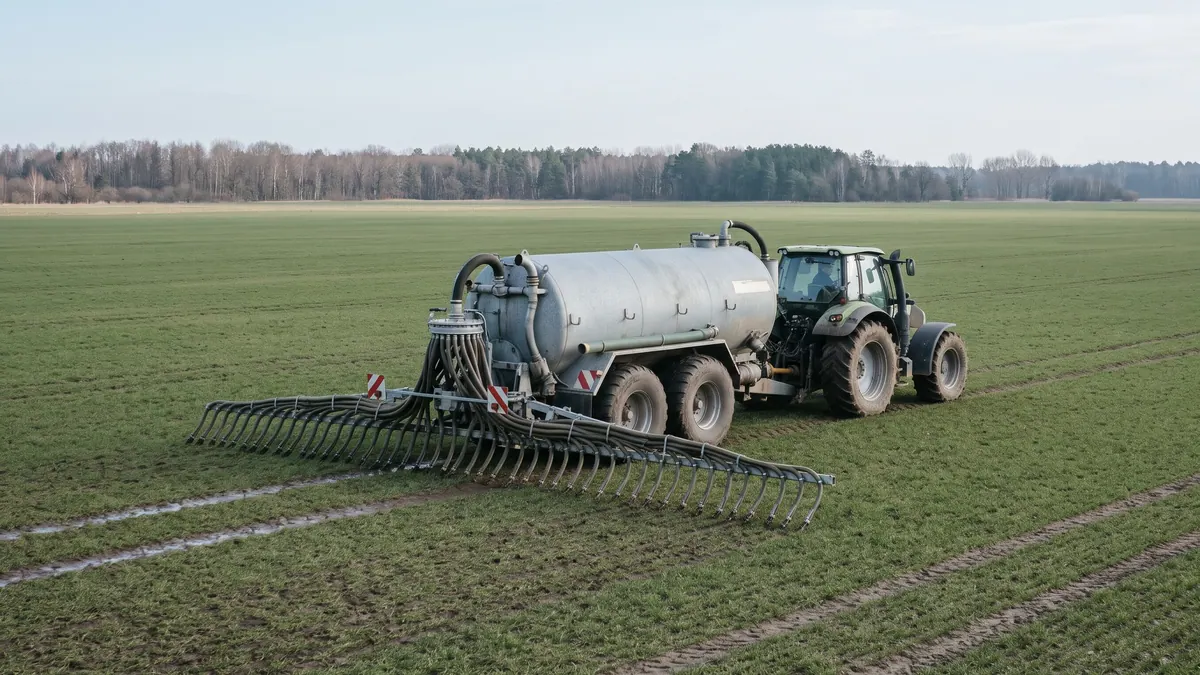
The goal of reducing losses strengthens the case for the precise application of digestate: application at the right time, using techniques that limit ammonia volatilisation and nitrogen run-off. The announced reduction in the use of mineral fertilisers may in turn increase interest in organic fertilisers and products from nutrient recycling.
Limitations and unknowns
The strategy does not specify exactly which legal instruments will lead to the targets being met, or how they will be distributed among individual states. Farmers and trade organisations pointed to the costs and the risk of falling yields. For biogas investors it was significant that the direction of policy favours the use of waste and natural fertilisers as feedstock, but does not settle whether new financial incentives will be created.
What next
The strategy fits into a series of legislative works planned for the following years. In parallel, negotiations were under way on the common agricultural policy and the EU budget, on which the scale of funds for farm modernisation depended. For biogas plants it will be key whether Member States include in their national strategic plans instruments encouraging investment in installations processing natural fertilisers.
How this relates to Polish agriculture
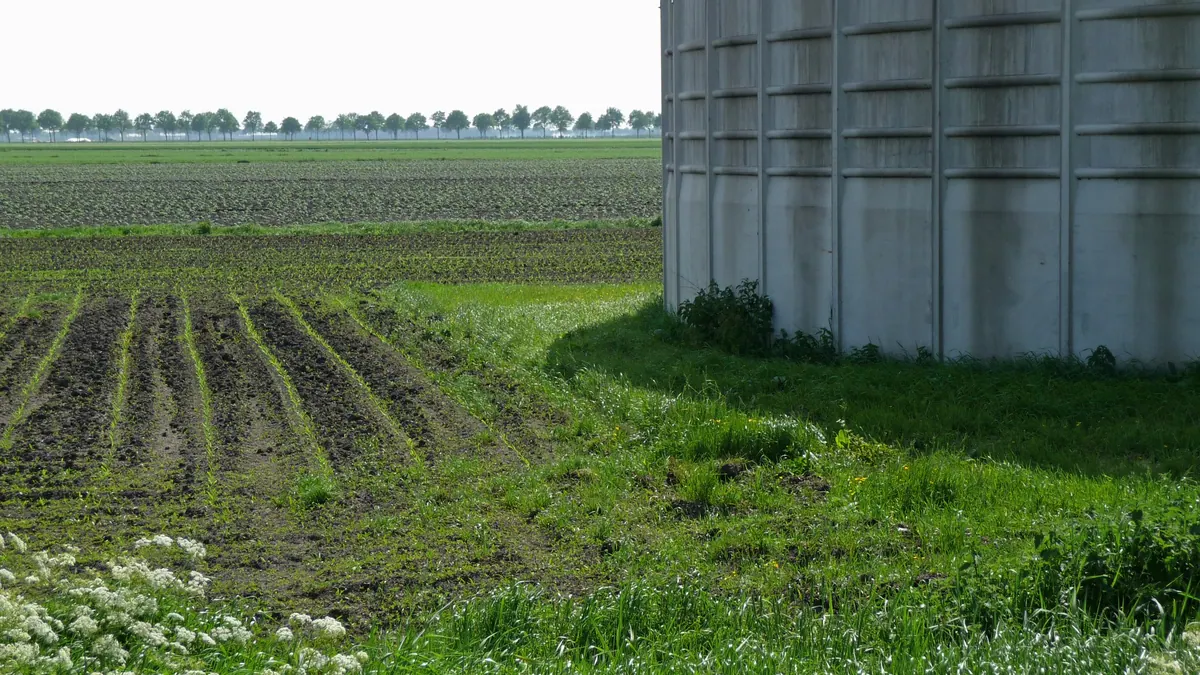
Polish farms with high livestock density, especially poultry and pig production, are among the largest sources of manure and slurry in the region. Higher requirements on nutrient losses strengthen the case for investing in sealed storage, application techniques and the processing of natural fertilisers, including methane fermentation. At the same time, reducing mineral fertilisation increases the market significance of the nutrients contained in digestate, which for an agricultural biogas plant can be an additional source of revenue or savings.
Sources
Questions and answers
Is the "Farm to Fork" strategy binding?
No. It is a policy document that announces legislative proposals. Quantitative targets become mandatory only when they are included in adopted legislation.
Related articles