Digestate and fertilisersEvent
The "Zero Pollution" action plan: targets for nitrogen, waste and air quality by 2030
Communication COM(2021) 400 brings together EU targets on air, water, soil and waste. It assumes, among other things, a 50% reduction in nutrient losses and halving residual municipal waste by 2030.
Other language versions: polski.

On 12 May 2021, the European Commission presented the action plan "Towards Zero Pollution for Air, Water and Soil" (COM(2021) 400), which brings together in one document targets for air quality, water, soil, noise and waste to 2030. The plan is a further element of the European Green Deal and is directly linked to agriculture, fertilisers and waste management.
Key targets for 2030
The plan collects targets that partly resulted from earlier strategies:
| Area | Target by 2030 |
|---|---|
| Air quality | −55% in the number of premature deaths caused by PM2.5 particulate matter compared with 2005 |
| Nutrients | −50% in nutrient losses (nitrogen, phosphorus) |
| Fertilisers | −20% in fertiliser use |
| Waste | −50% in residual municipal waste |
| Plastics | −50% in plastic litter at sea, −30% in microplastics released into the environment |
The Commission also announced a progress monitoring system and impact assessment tools that will make it possible to check whether the targets are being met.
Significance for digestate and biogas plants
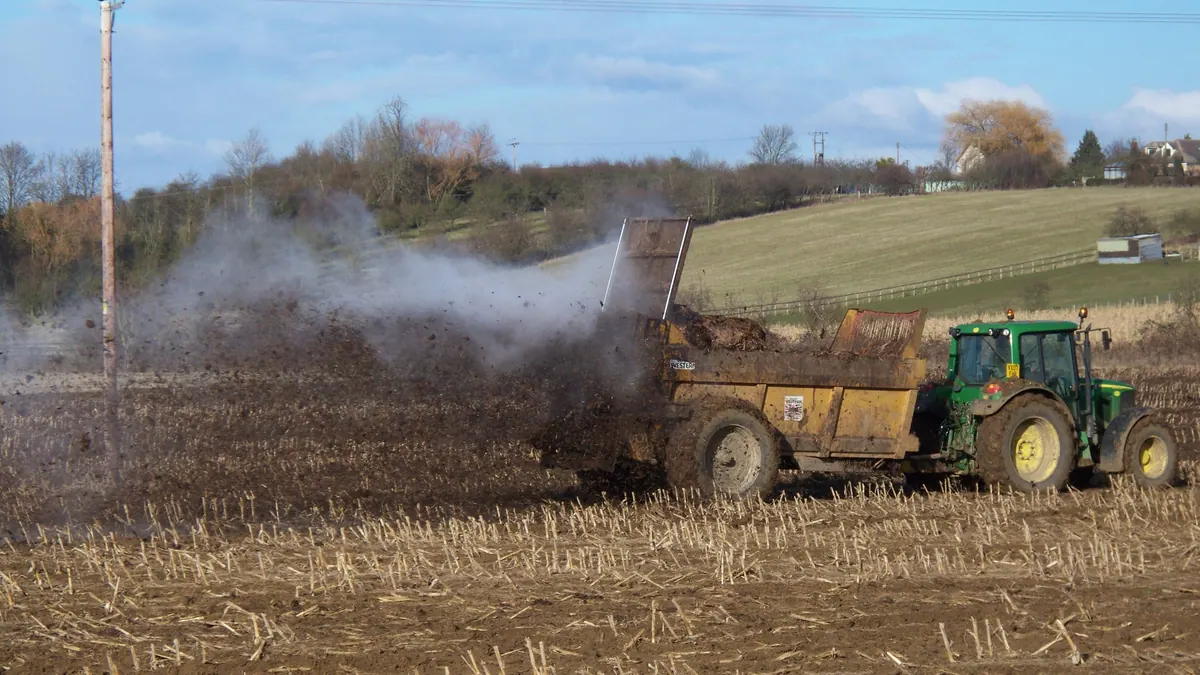
For farms and biogas plants, the most important threads are those on nitrogen and ammonia. Agriculture is the main source of ammonia, which contributes to the formation of particulate matter and to eutrophication. Reducing nutrient losses requires better management of natural fertilisers, including the storage and application of slurry, manure and digestate. Digestion makes it possible to stabilise organic matter and limit methane emissions, but in itself it does not solve the ammonia problem – what is key are sealed stores and application techniques, such as soil injection or spreading with trailing hoses.
The target of halving residual municipal waste brings the plan closer to the circular economy action plan: it means a larger share of separate collection of biowaste and of its processing in biological installations, including digestion.
How the plan fits into legislation
The plan itself does not impose obligations, but it announces a review of existing rules, for example the directives on air quality and industrial emissions. For the agri-energy industry it will be important whether the new regulations include requirements for larger livestock farms and whether this will be linked to incentives for investment in emission-reducing technologies.
What next
Implementation of the plan depends on the adoption of specific legal acts and financial resources under the common agricultural policy and cohesion funds. For biogas investors, the key question is whether ammonia emission standards and digestate storage requirements will be tightened, and if so – on what timetable.
How this connects with energy from biogas
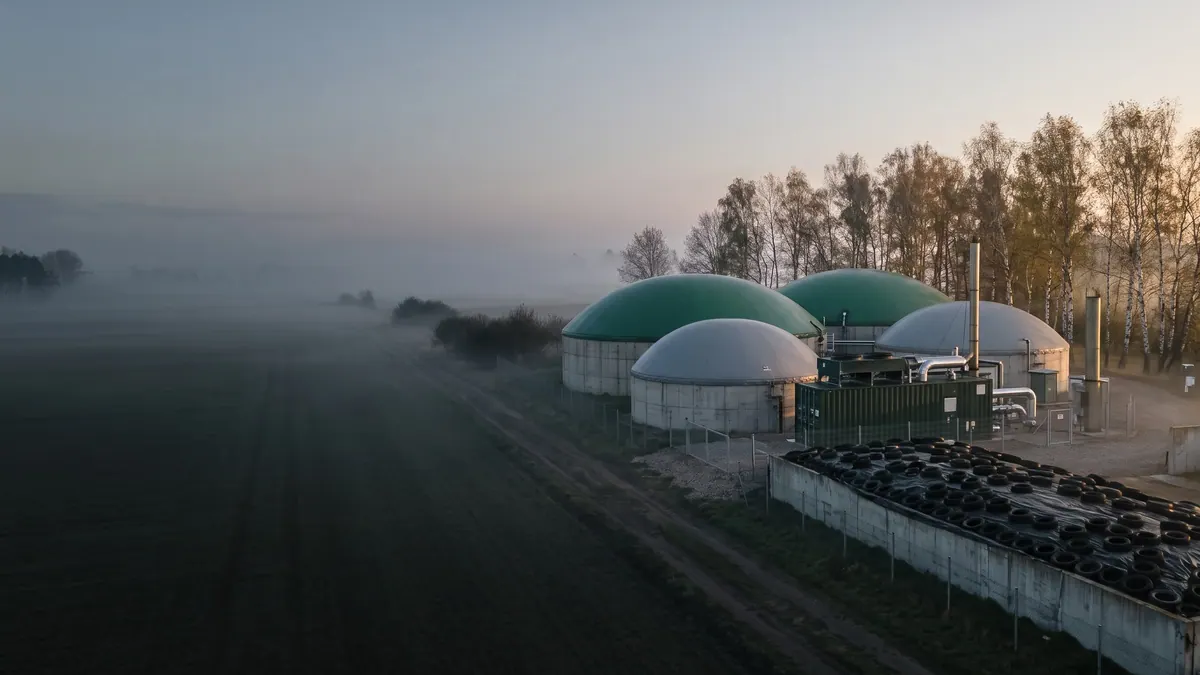
Biogas plants generate energy, but can also be a source of ammonia emissions from digestate and of methane from leaks. The plan increases the importance of good practices: covering tanks, rapid soil application and emission monitoring. Installations that implement such solutions now will be better prepared for future requirements.
Sources
Related articles