Digestate and fertilisersEvent
EU Soil Strategy for 2030: healthy soils and organic matter in circulation
Strategy COM(2021) 699 assumes that by 2050 all EU soils will be healthy. It states that 60–70% of soils are in poor condition and announces a soil monitoring law.
Other language versions: polski.
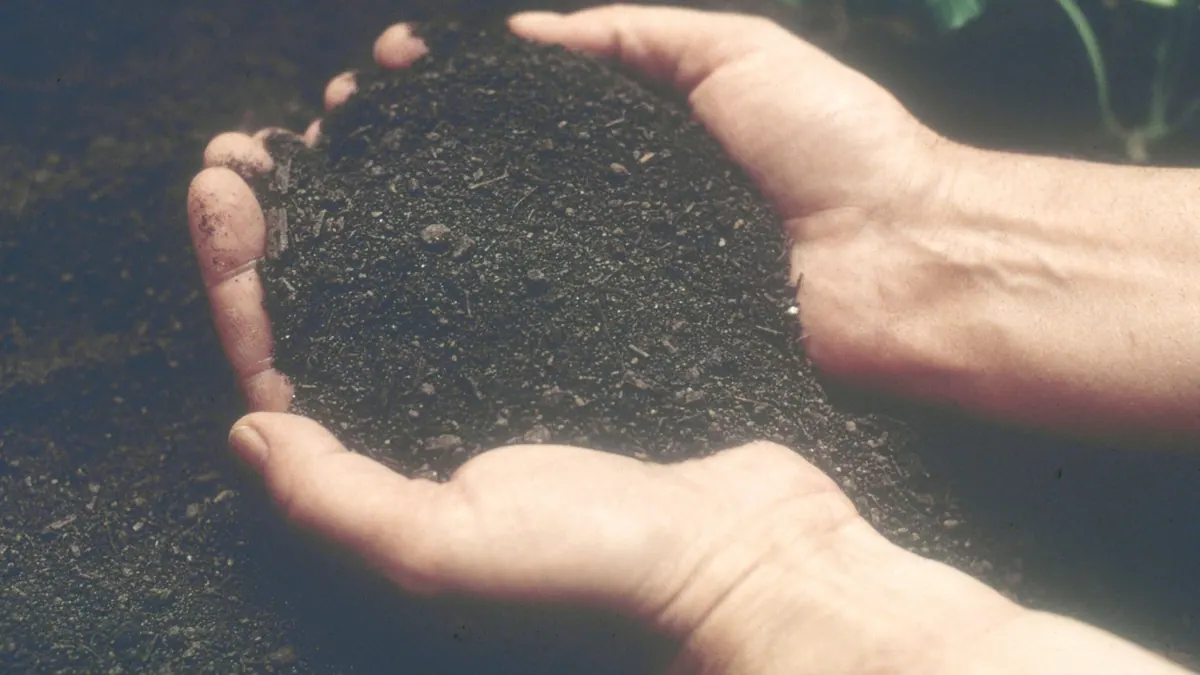

On 17 November 2021 the European Commission presented the EU Soil Strategy for 2030 (COM(2021) 699). The document assumes that by 2050 all soil ecosystems in the Union will be in good condition, and that soil protection will be treated on a par with the protection of water and air. According to the Commission, as much as 60–70% of soils in the EU are in poor condition, which reduces yields, the capacity to absorb carbon and resilience to drought. For farmers and biogas plants this is important context for managing organic matter and digestate.
Key assumptions
The strategy is a framework one and rests on several directions:
- soil protection as a common resource – an announcement of a legislative proposal that will introduce a common framework for monitoring soil condition and assessing soil health;
- sustainable soil management – incentives for practices that increase organic matter content and reduce erosion and compaction;
- limiting land take – preventing excessive soil sealing;
- restoring degraded soils – an action plan for contaminated sites;
- nutrient circulation – a link to the goals of the "Farm to Fork" strategy, that is, reducing nitrogen and phosphorus losses.
Why this matters for digestate
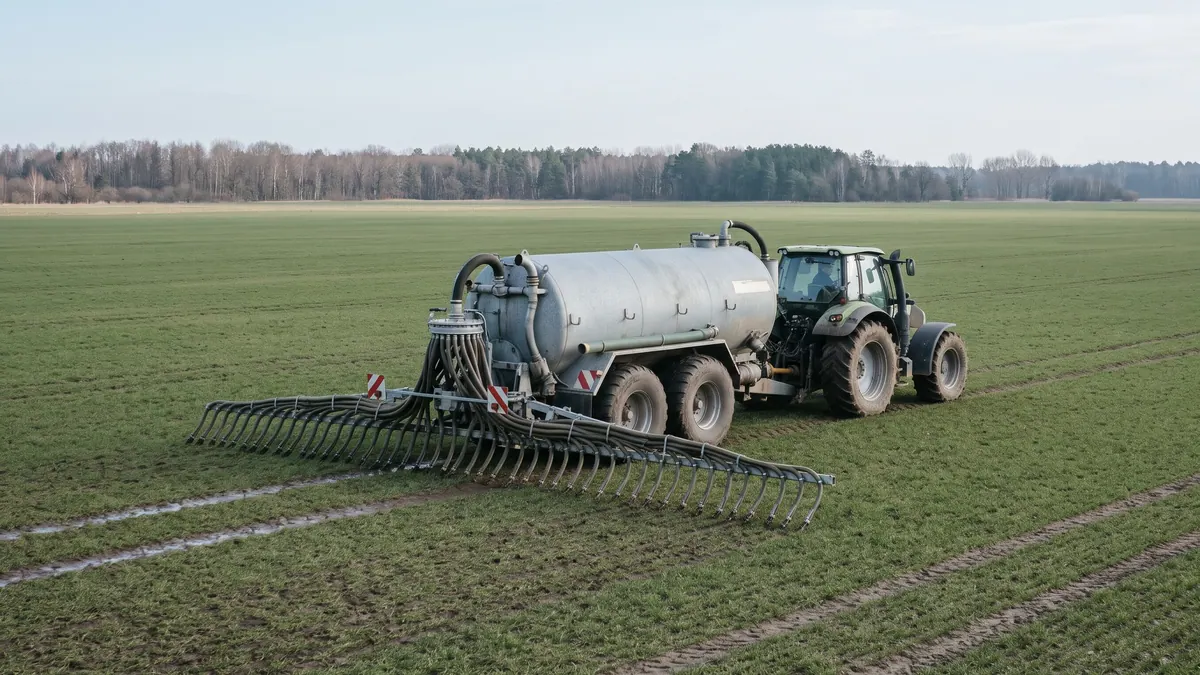
Digestate and compost are carriers of organic matter and nutrients, and applying them in fields can improve soil structure and support humus content. The strategy increases the importance of organic fertilisers as an element of soil policy, especially in the context of the high prices of mineral fertilisers in autumn 2021. At the same time, it requires application in accordance with the rules: avoiding excessive nitrogen doses, preventing pollution and checking composition (heavy metals, pathogens).
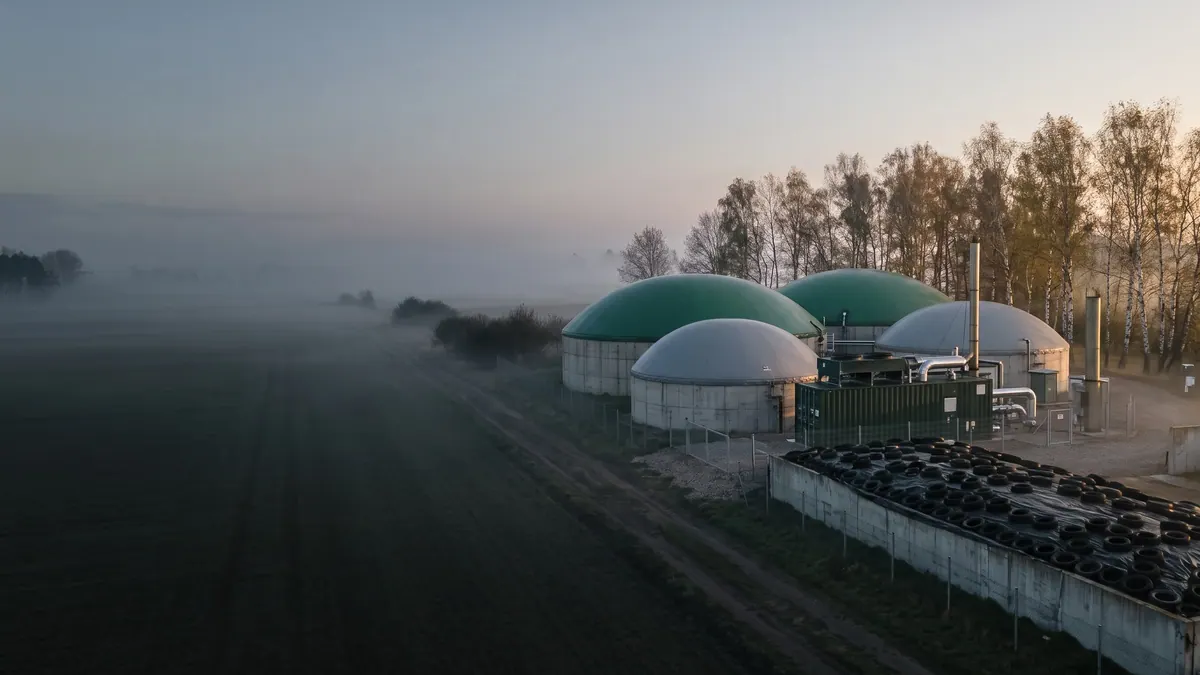
For biogas plants this means that the quality of digestate – its composition and predictability – will be an increasingly important asset. Installations with a well-documented process and composition testing can count on better relations with buyers.
Poland's perspective
In Poland, areas of soils with low humus content and a large share of light soils prone to drought are significant. The strategy makes it easier to argue for programmes supporting the increase of organic matter in soils, including the use of organic fertilisers and catch crops.
What next
The Commission announced the preparation of a legislative proposal on soil health. For farmers and biogas plant operators, the key questions will be what requirements are laid down for monitoring soil condition and what financial instruments are made available under the Common Agricultural Policy.
Caveat
The strategy is a programme document and imposes no obligations on farmers or biogas plants. Specific requirements will arise only from the rules the Commission announced for the coming years and from national Common Agricultural Policy plans.
A tip for farms
When planning digestate application, it is worth carrying out regular tests of the soil and the fertiliser itself, recording dates and doses, and taking water protection rules into account. Such data will increasingly be needed both in dealings with authorities and when applying for payments linked to practices beneficial for soil.
Sources
Related articles