Waste and circular economyEvent
Commission proposes new rules on waste shipments: ban on exports of plastic waste to non-OECD countries
Proposal COM(2021) 709 of 17 November 2021 amends the waste shipment regulation: it bans exports of plastic waste to non-OECD countries, tightens controls and introduces digital procedures.
Other language versions: polski.
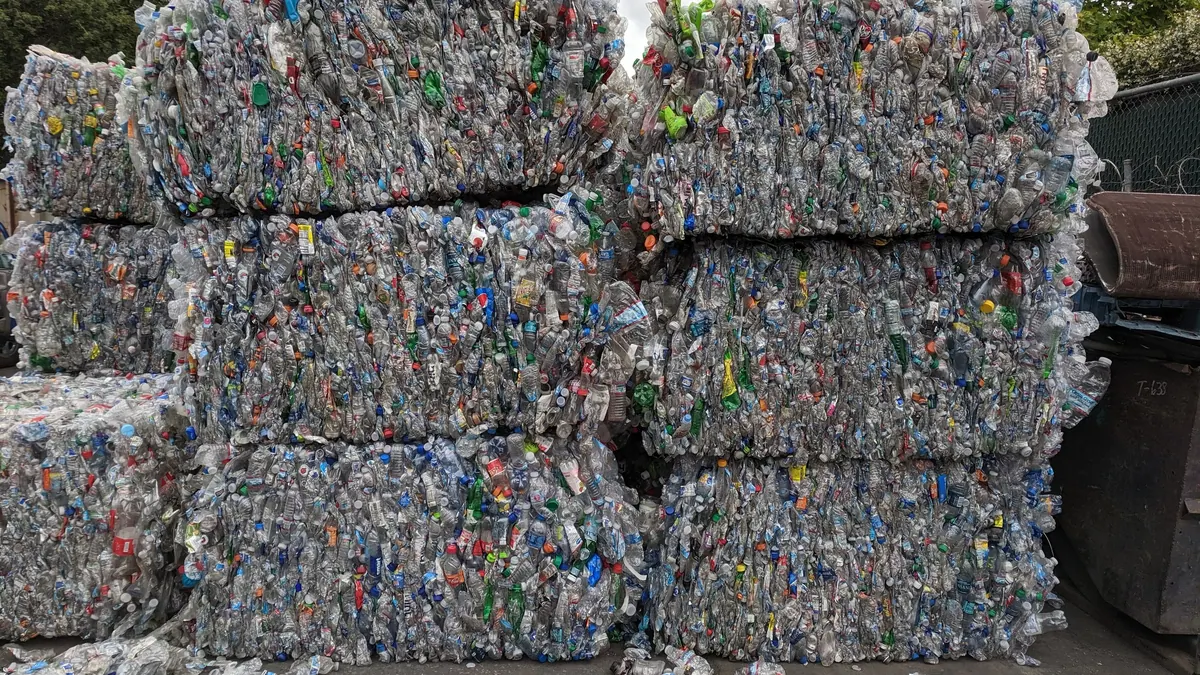

On 17 November 2021 the European Commission presented a proposal to amend the regulation on shipments of waste (COM(2021) 709). The main premise is a ban on exports of plastic waste to non-OECD countries and tighter conditions for exporting other waste. The proposal delivers on an announcement in the circular economy action plan of March 2020.
What the Commission proposes
The main solutions include:
- a ban on exports of plastic waste to non-OECD countries;
- stricter conditions for exporting waste to OECD countries, including a requirement to demonstrate that the waste is treated in an environmentally sound manner;
- digital procedures – replacing paper documents with a single electronic system;
- measures against illegal shipments, including stronger controls and cooperation between countries;
- easier shipments of waste within the EU, if they serve recycling.
The earlier rules on waste shipments dated from 2006, and after China banned the import of plastic waste in 2018, many countries felt the effects of a rise in illegal and uncontrolled shipments.
Significance for the Polish waste market
Poland was among the countries where illegal landfills of imported waste had appeared in recent years, which increased interest in rules on controlling flows. Tighter rules were meant to make it easier to prosecute such practices. For recycling and energy companies, the new rules on shipments of waste intended for recovery matter, including alternative fuels such as RDF.
For the biowaste industry the rules matter indirectly: organic feedstocks usually travel shorter distances, but cross-border flows of, for example, food industry waste are also covered by the regime.
What next
The proposal required approval by the European Parliament and the Council. Interested parties pointed to the impact of the new rules on recycling costs and on access to secondary raw materials, while environmental organisations assessed whether the export ban would sufficiently limit the phenomenon of exporting environmental problems outside the EU.
Why the rules needed changing
The 2006 regulation was created in different market conditions. Since then, waste streams have changed, the importance of recycling has grown, and after China restricted imports, waste from Europe began to go to other non-EU countries, where controls can be weaker. The Commission argued that the EU should process more waste at home, creating an internal market for secondary raw materials, rather than exporting environmental problems.
Organic waste and fuels from waste
The rules on shipments also cover waste intended for energy recovery, including fuels produced from municipal waste. For producers of alternative fuels and for combined heat and power plants using RDF, what matters is whether the new rules will ease or hinder international trade. For biowaste installations and biogas plants, the main importance lies in the clear status of waste substrates and simplified, digital procedures for documenting their flow.
Sources
Related articles