Law and regulationEvent
European Parliament backs the "Farm to Fork" strategy: 452 votes in favour
The European Parliament adopted an own-initiative resolution on the "Farm to Fork" strategy with 452 votes in favour, 170 against and 76 abstentions. MEPs backed the ambitions but demanded impact assessments.
Other language versions: polski.
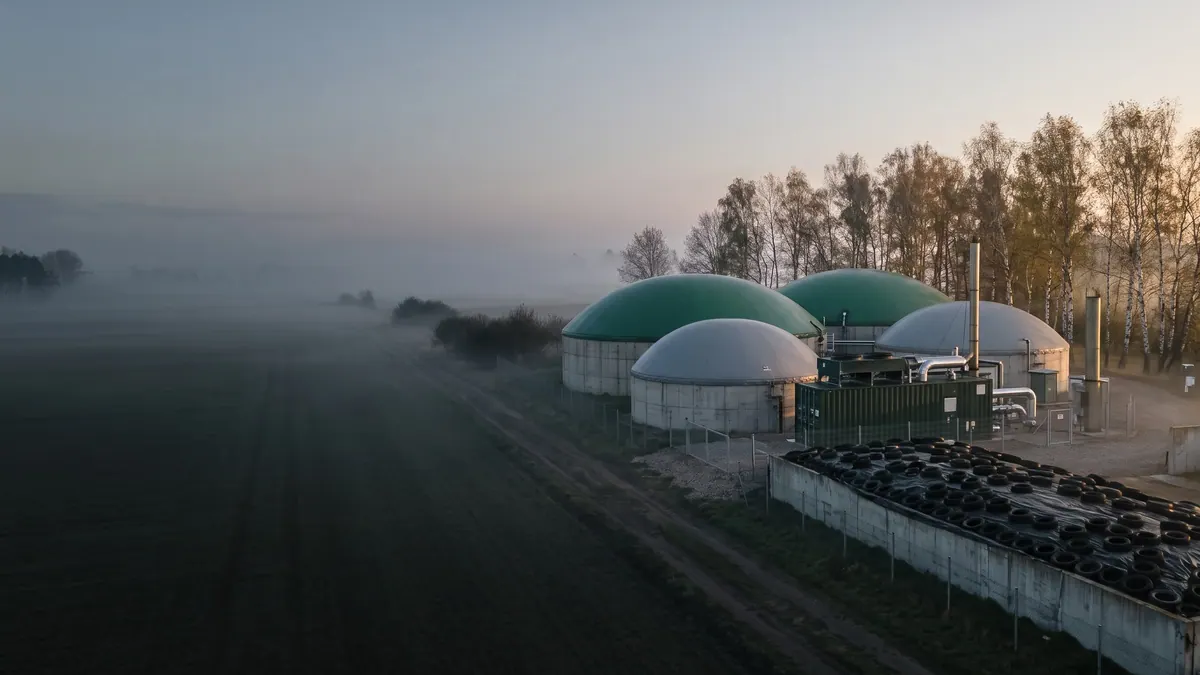
On 20 October 2021 the European Parliament adopted an own-initiative resolution on the "Farm to Fork" strategy by 452 votes to 170, with 76 abstentions. The vote took place on Tuesday 19 October, and the result was announced the following day. The resolution is not binding, but it is a political signal for the Commission and the Member States.
What MEPs decided
Parliament supported the general ambitions of the strategy – a more sustainable, healthy and environmentally friendly food system – but stressed the need to strengthen some elements. Among the demands were better consideration of animal welfare and a requirement that imported food and feed meet EU standards. At the same time, MEPs asked the Commission for a comprehensive impact assessment of the strategy before it presents specific legislative proposals, which had been a demand of farming organisations fearing costs and falling production.
The resolution showed a division in Parliament: some MEPs, especially from centre-right groups and from countries with strong agriculture (the French and Spanish delegations in the European People's Party were pointed out), criticised the direction of the strategy.
Significance for fertilisers, digestate and biogas
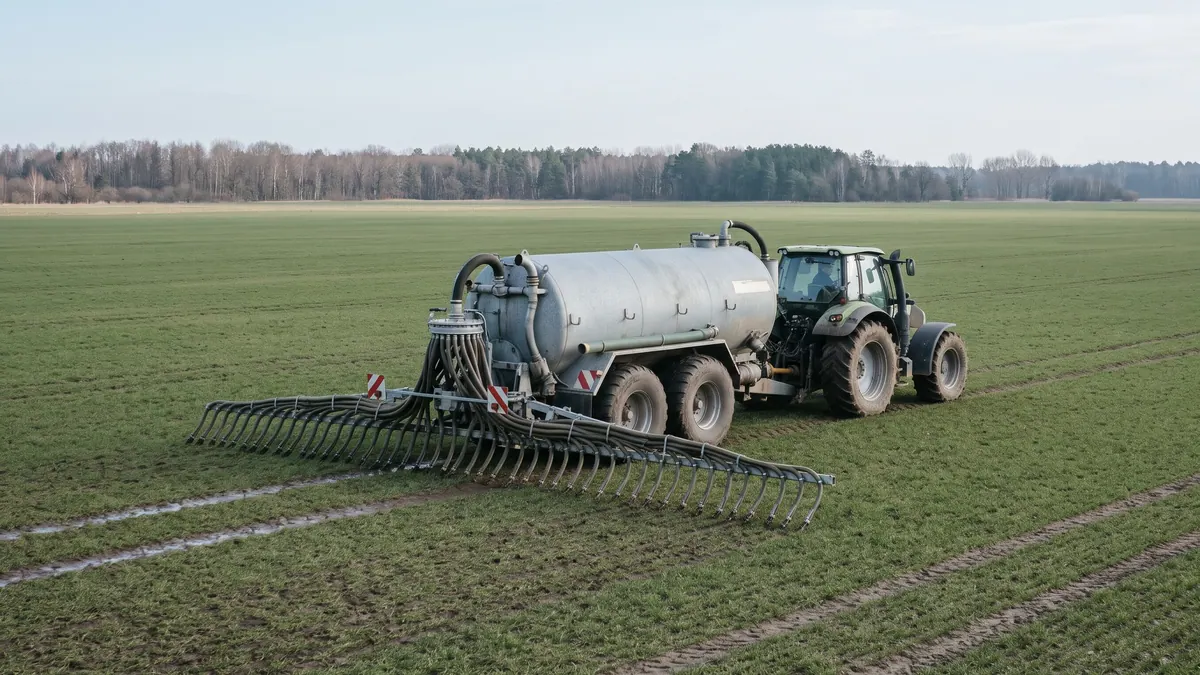
The "Farm to Fork" strategy aims to reduce nutrient losses by at least 50% and fertiliser use by at least 20% by 2030. In view of rising gas and nitrogen fertiliser prices in autumn 2021, the discussion on the role of organic fertilisers gained additional significance. Digestate from biogas plants is one of the fertilisers that can partly replace mineral fertilisers, provided it is applied in accordance with the rules on the protection of water and soil.
For the biogas industry it is significant that the direction of agricultural policy remains consistent with the use of agricultural residues and manure, but specific support instruments will depend on national strategic plans under the Common Agricultural Policy.
What next
The resolution went to the Commission, which was to prepare legislative proposals in the following months, including on the sustainable use of plant protection products and on food waste. Agricultural and environmental organisations announced further lobbying, and the dispute over the costs and effects of the strategy was set to continue in the following years as well.
How to interpret the vote
An own-initiative resolution is a political position of Parliament. It does not change the law, but it shows which amendments MEPs will support when the Commission presents specific proposals. The result – a clear majority in favour, but also numerous votes against – indicates that proposals on pesticides, fertilisers and livestock will be the subject of difficult negotiations.
Political background
The "Farm to Fork" strategy was one of the most contentious elements of the Green Deal. Farming organisations feared falling production and incomes, while environmental organisations demanded more ambitious and binding targets. The Parliament resolution reflects this compromise: support for the direction of change together with a demand for a thorough analysis of the effects, including for individual countries and types of farm.
Sources
Related articles