Digestate and fertilisersEvent
NSW: draft new requirements for biosolids with PFAS limits – consultation in 2025
In August 2025 the NSW EPA proposed a new order and exemption for biosolids with PFAS thresholds and testing obligations; the deadline for comments was set for 26 September.
Other language versions: polski.
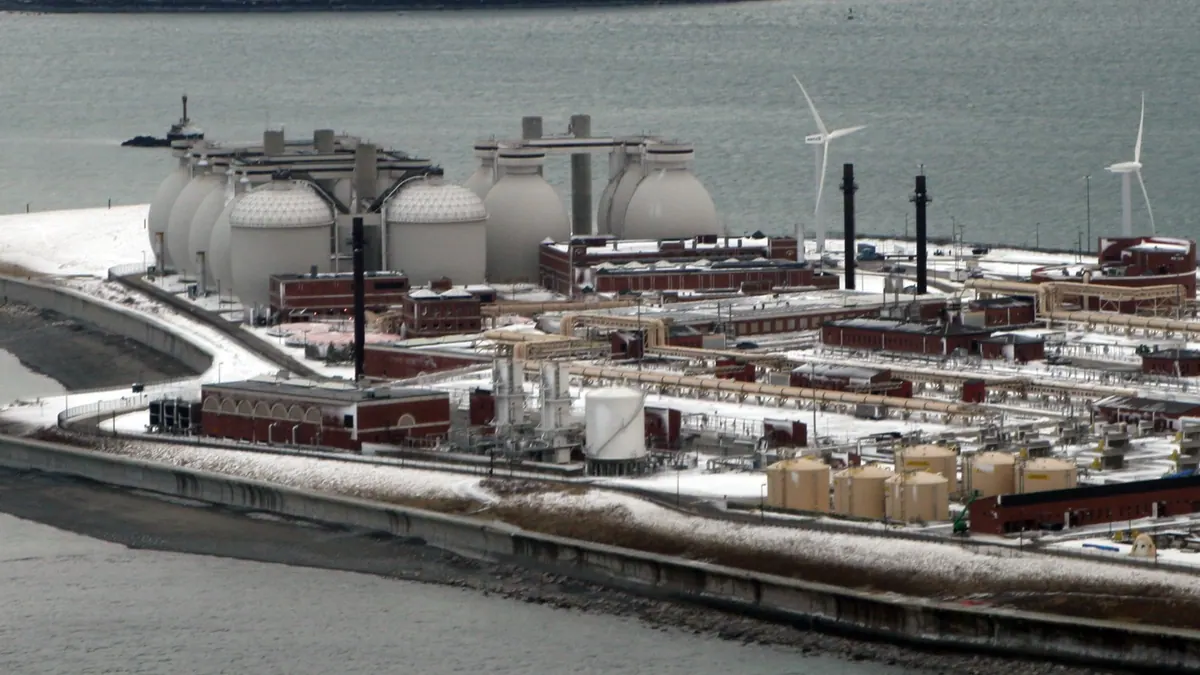

The Environment Protection Authority of New South Wales (NSW EPA) published on 15 August 2025 a draft of changes to the requirements for biosolids – sewage sludge processed for application to land. This concerns an amended order and exemption (instruments setting out the conditions for the recovery of waste and an exemption from some of the waste requirements), which are to contain limits for PFAS and PBDE (flame retardants), monitoring and reporting of PFAS, PBDE, triclosan and galaxolide, and soil testing at the application site, so that application rates are sustainable. The EPA announcement gave 26 September as the deadline for comments.
Why PFAS are a problem
PFAS (per- and polyfluoroalkyl substances) are persistent chemical compounds present in many industrial and consumer products. They enter wastewater and from there the sludge. When biosolids are applied to fields, PFAS may pass into soil, water and feed. In the Australian regulatory context the reference point is the national PFAS plan, PFAS NEMP 3.0, and the NSW EPA has taken a more cautious approach, which industry assessed as more stringent.
What the NSW EPA proposes
According to the EPA announcement, the draft is to:
- set PFAS and PBDE thresholds for biosolids intended for application to land (the announcement does not give numerical values),
- introduce monitoring and reporting of PFAS, PBDE, triclosan and galaxolide,
- introduce soil testing at the application site.
Industry comments on the draft (including from ANZBP) are described in the update. The final content of the order and exemption is not described here.
Context: inspections and expert opinions
In February 2025 the EPA announced a compliance inspection campaign on the processing and application of biosolids.
Digestate versus biosolids
In Australia biosolids and digestate from biogas plants are separate regulatory streams, yet their agricultural use follows similar logic: control of contaminants in the fertiliser decides whether it can be applied in the field. Digestion does not remove PFAS, so the requirements for the feedstock (sludge) carry over to the final product. I did not discuss the rules on digestate from food waste in NSW in this review.
What this means for Poland and Europe
In the EU PFAS are covered by separate regulations, and their presence in sewage sludge is becoming an increasingly important criterion for agricultural use. Polish operators of wastewater treatment plants and biogas plants should follow these examples, because requirements for products from waste tend to become stricter, and PFAS testing may become standard.
Sources
Related articles