BiohydrogenEvent
Hazer and Water Corporation: ARENA supports biogas from wastewater as a source of hydrogen and graphite
In 2019 ARENA announced up to 9.41 million AUD for Hazer Group for a demonstration plant at the Woodman Point treatment plant (Perth), which is to produce hydrogen and graphite from biogas.
Other language versions: polski.

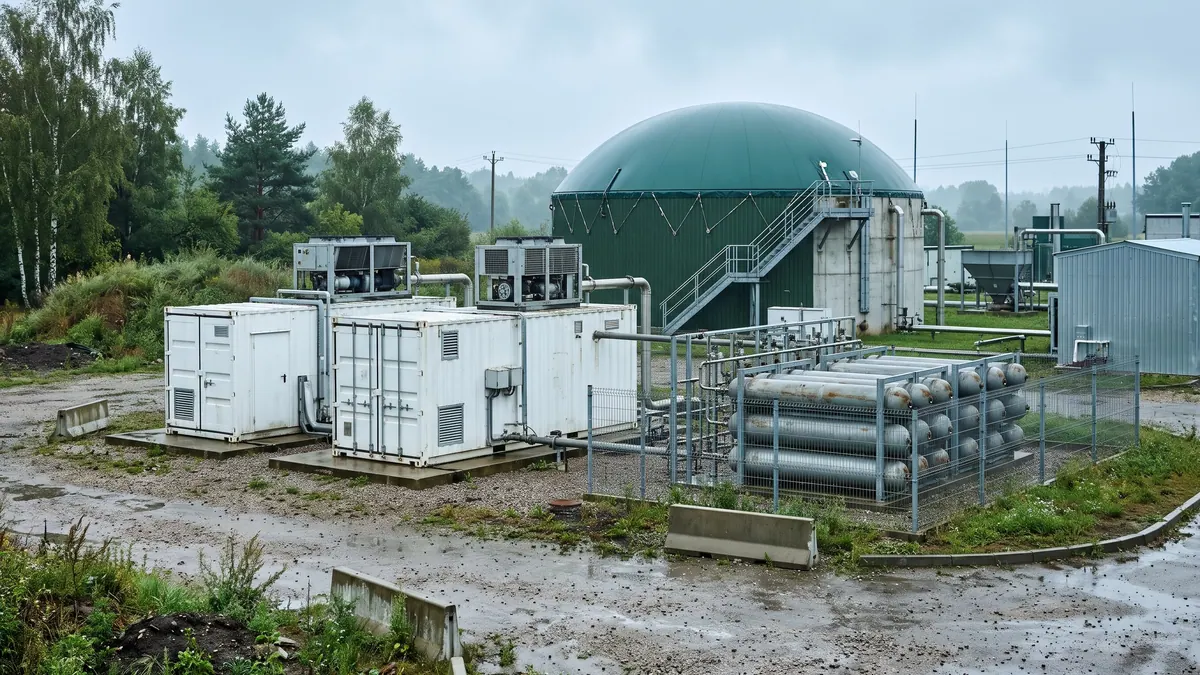
The Australian agency ARENA announced on 2 September 2019 that it would support with up to 9.41 million Australian dollars the company Hazer Group in building a demonstration plant that is to convert biogas from wastewater into hydrogen and graphite at the Woodman Point treatment plant near Perth. The support was conditional on concluding a funding agreement and meeting conditions precedent. The ARENA project record gives the start of the project as 13 March 2020 and covers construction and three years of operation. The biogas comes from wastewater treatment by Water Corporation, so the project does not require a new feedstock.
How the Hazer process works
In the Hazer method, methane from biogas is split in the presence of a catalyst (iron ore) into hydrogen and solid carbon in the form of graphite. Instead of producing CO₂, as in steam reforming, the process deposits the carbon as a material that can be sold. Technologies of this kind are called methane pyrolysis.
The Woodman Point project
The plant is being built on the site of a treatment plant managed by Water Corporation. According to CSIRO HyResource, about 2 million Nm³ of biogas that would otherwise be flared is to be used each year, and the production capacity is about 100 t of hydrogen and up to 380 t of synthetic graphite. The ARENA announcement of 2019 put the cost of the facility at 15.8 million AUD and indicated that ARENA's support was 41% of total project costs, including a contribution to operating costs (9.41 million AUD is about 60% of the 15.8 million AUD alone, so these figures refer to different cost bases); the ARENA project page later gives 22.57 million AUD, and CSIRO estimates the total at 23–25 million AUD – the cost increase reflects changes during implementation.
Why it matters
- Biogas from wastewater is sometimes only partly used, and the surplus is flared.
- Instead of upgrading to biomethane or burning in an engine, the methane is converted into a hydrogen carrier and a solid material.
- Selling graphite can improve the project economics if a market is found.
What this means for Poland
Methane pyrolysis is one of the options being considered alongside electrolysis and biomethane reforming. For Polish treatment plants and biogas plants it is so far a research direction – but it shows that biogas can be a feedstock not only for biomethane and cogeneration.
Sources
Related articles