Law and regulationEvent
Korea: a draft amendment to the biogas act exempts pig farms from the production obligation
On 13 November 2025 lawmaker Jeong Heeyong submitted a bill that will remove livestock farmers from the group of obligatory biogas producers. Farms with at least 25,000 pigs were to be covered by the obligation from 1 January 2026.
Other language versions: polski.
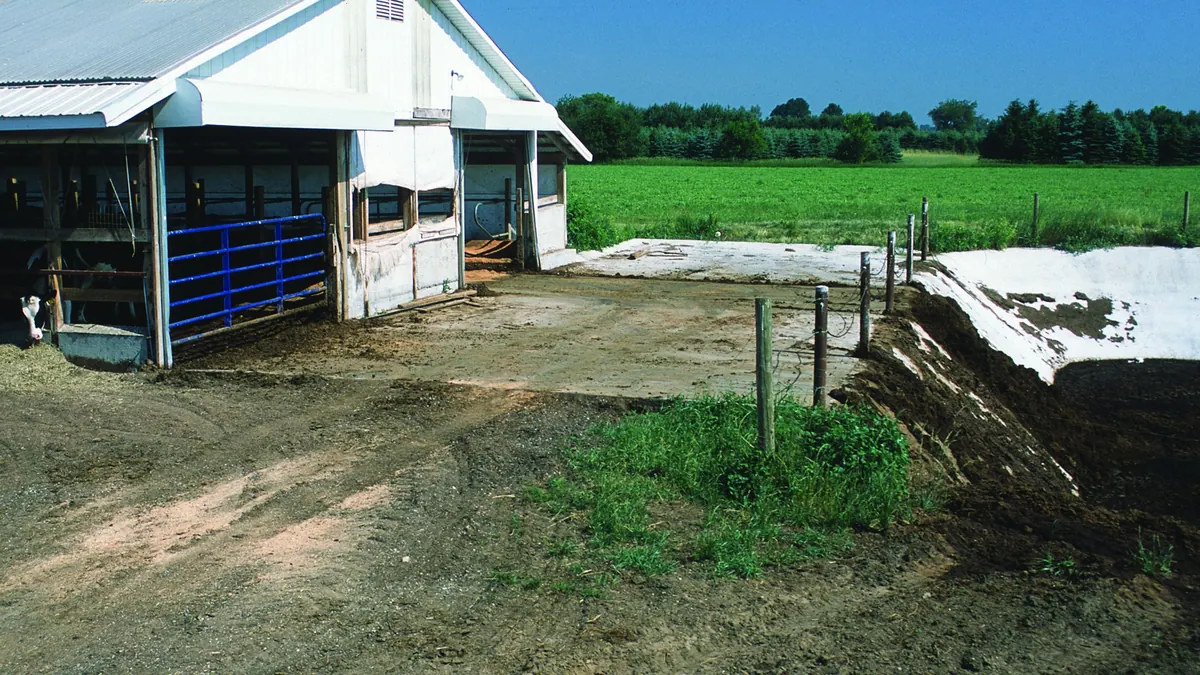

Lawmaker Jeong Heeyong submitted on 13 November 2025 to the Korean National Assembly a bill amending the biogas act that would remove livestock farmers from the category of obligatory biogas producers. Under the current rules, from 1 January 2026 farms keeping at least 25,000 pigs will be classed as private entities obliged to produce biogas.
What the bill concerns
The bill retains the principle of an incentive: farmers would still be obliged to make efforts to achieve the biogas production targets, but would not be formally covered by an obligation backed by sanctions. Industry organisations warned that the requirement entails high plant construction costs. The Korean Ministry of Agriculture, Food and Rural Affairs judged that the obligation creates “practical difficulties” (including obtaining land for a plant, costs and public opposition), so a change in the rules is needed. Under the bill, the state and local authorities could support farmers in building their own plants.
Background
The biogas act places obligations on large public and private entities: food waste producers (over 1000 t a year), slurry treatment plants and pig farms. Failure to meet the targets is punishable by a financial penalty, but the cited sources do not give its amount. The obligation can also be met by commissioning biogas production from another entity; according to the Korea Herald, exemptions also include plant construction and natural disasters.
Who is covered by the obligation
According to Asia Business Daily reports, obliged private producers must meet biogas production targets from feedstocks such as slurry either directly or by commissioning production from another entity; penalties apply if targets are not met. Lawmaker Jeong Heeyong, secretary-general of the People Power Party, supported the aim of using organic waste as a source of energy and for environmental protection, but judged that the obligation is a heavy burden on pig farmers and that a change in the law is needed so that they can take part voluntarily with strong government support.
Significance for the market
For technology suppliers (digesters, upgrading, digestate separation) the decision has direct consequences: obligatory status means demand enforced by law, voluntary status means demand dependent on grants. The Korean debate shows a typical conflict between the climate goal and costs on the farmers' side.
Status today
This article describes a bill, not an adopted legal act. Readers should follow the register of bills of the National Assembly and Ministry of Environment announcements to check whether the change has entered into force.
Sources
Related articles