BMP testingEvent
BMP of dairy manure in Australia: the effect of housing and separation systems on methane potential
An Australian study in Bioresource Technology (volume 391, 2024) measures the methane potential of dairy cattle manure across the country and shows that mechanical separation preserves B₀, while passive separation lowers it.
Other language versions: polski.
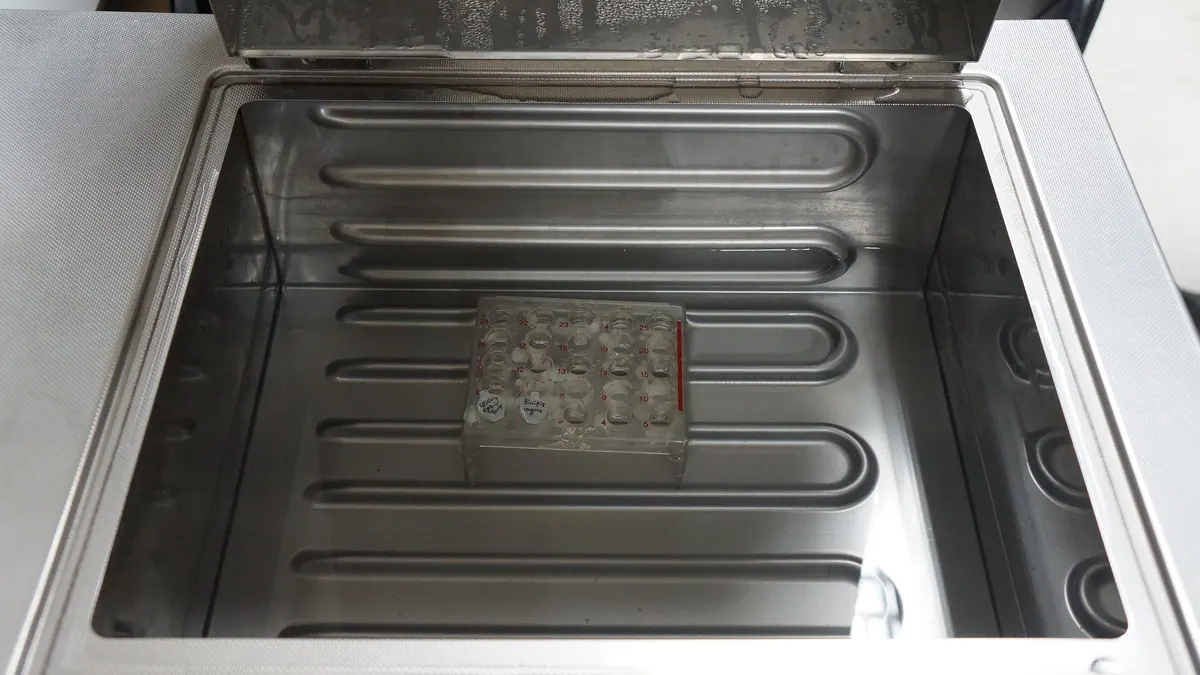

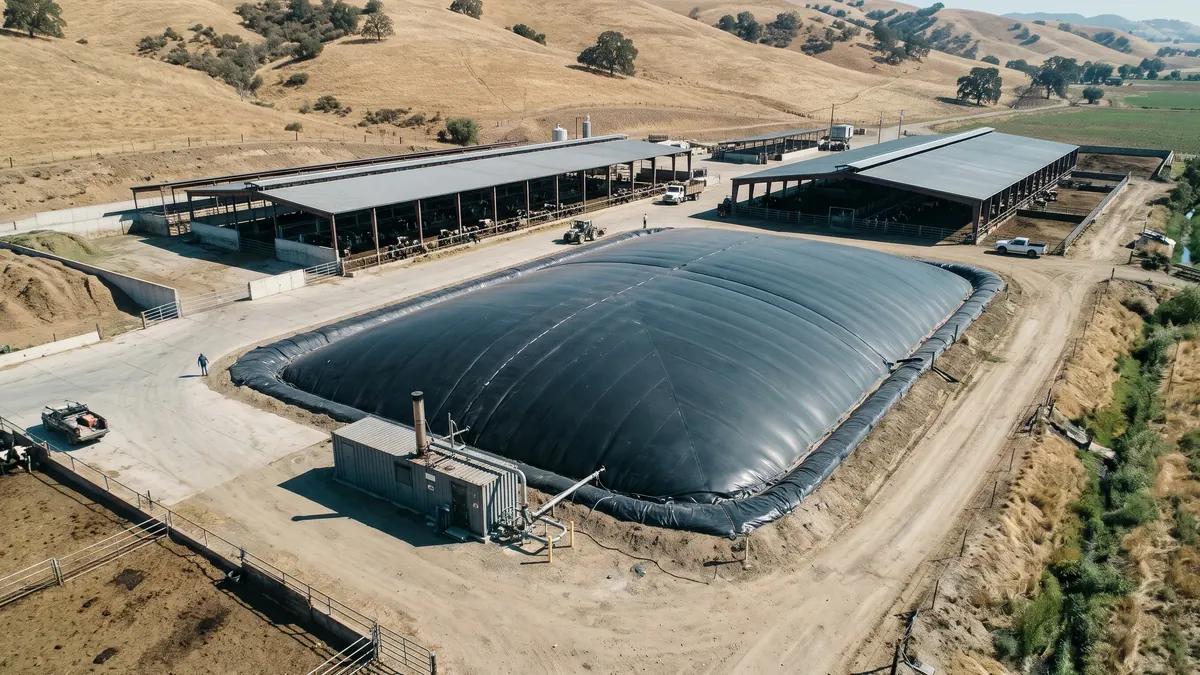
The article by Torben Grell, Peter W. Harris, Serhiy Marchuk, Sasha Jenkins, Bernadette K. McCabe and Stephan Tait of the University of Southern Queensland, titled “Biochemical methane potential of dairy manure residues and separated fractions: An Australia-wide study of the impact of production and cleaning systems”, appeared in Bioresource Technology (volume 391, January 2024, DOI 10.1016/j.biortech.2023.129903). It describes a nationwide study of the methane potential (B₀) of dairy cattle manure residues in Australia. The authors compared samples from different production and cleaning systems, as well as fractions after separation, and their main conclusion is a practical one: mechanical separation preserves methane potential, whereas passive solid–liquid separation lowers it and may cause methane losses to the atmosphere.
What B₀ is and why it matters
B₀ is the maximum methane production potential per unit mass of organic matter (usually NmL of CH₄ per g of VS). For animal manure it depends on the diet, the storage time and the way the manure is collected. The longer manure lies in open systems, the larger the share of organic matter that decomposes before it reaches the digester. This decomposition may yield methane emitted to the air, and so means both climate damage and a loss of energy potential.
Findings on separation
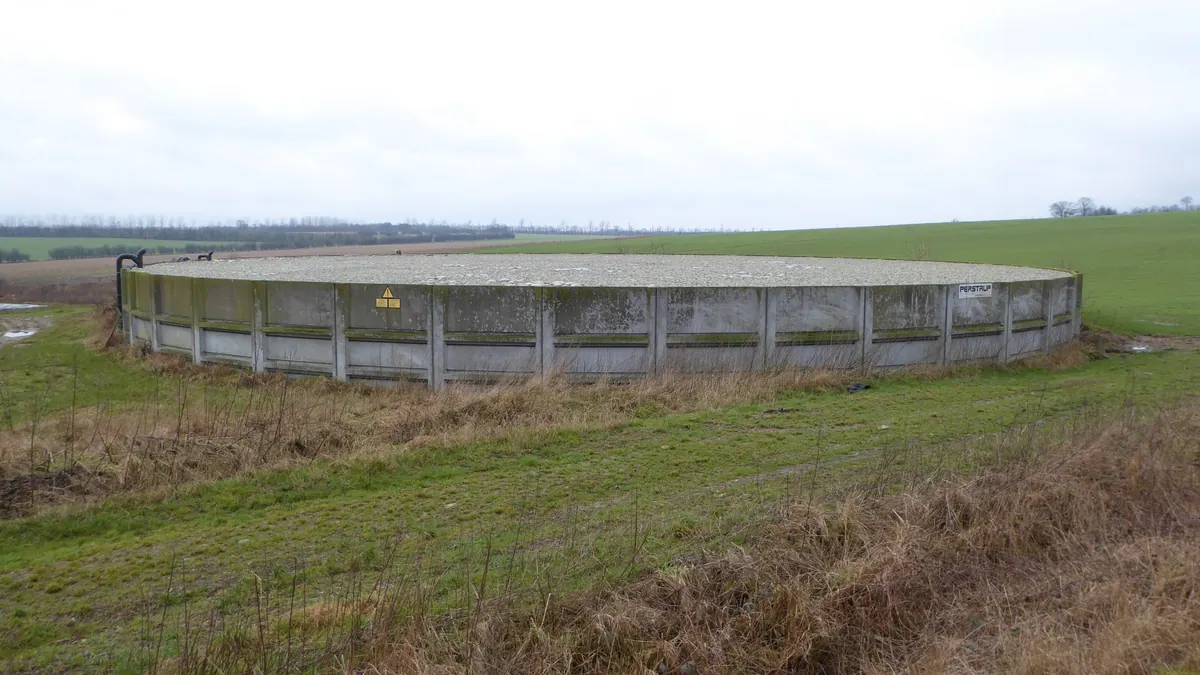
According to the abstract, passive solid–liquid separation lowered B₀ because of biological changes over time and potential losses. Mechanical separation, by contrast, makes it possible to preserve the organic matter and direct it to a biogas plant before it decomposes in an open system. In practice this means that the way pretreatment is carried out affects not only the operation of the digester but also the farm's emissions balance.
National scale
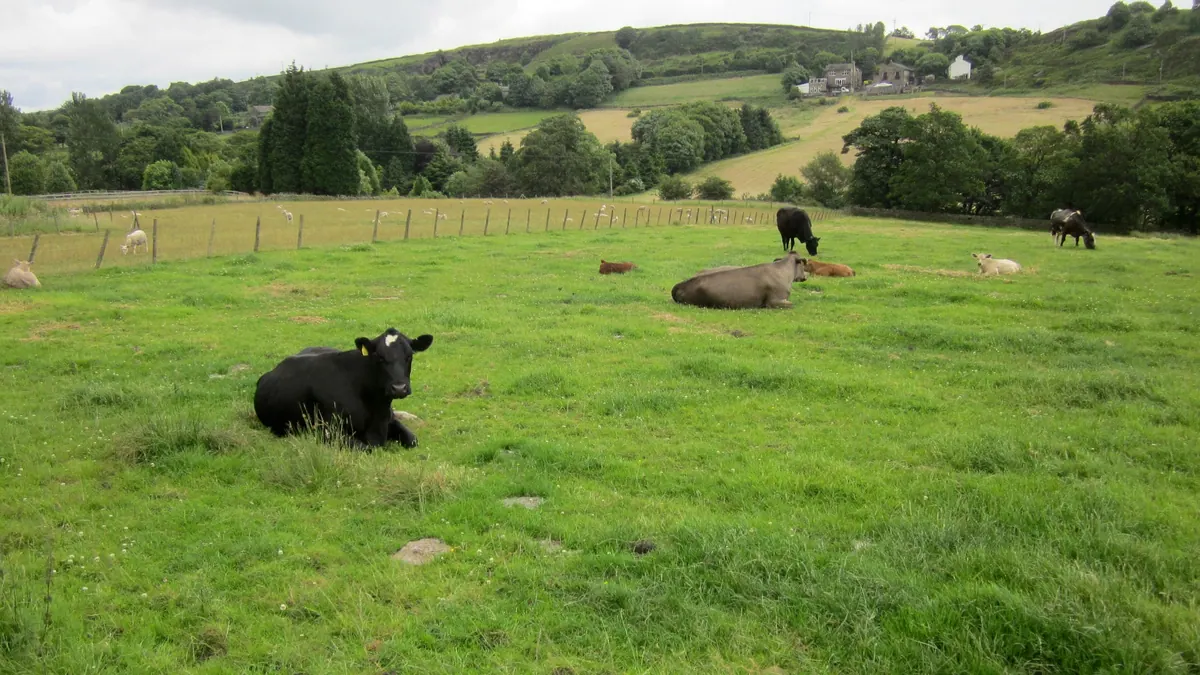
The authors estimated that the methane potential of dairy manure in Australia is about 76.2 million m³ of CH₄ per year. This is a theoretical value: in reality, utilisation depends on what share of the manure is collected in a concentrated way and what share remains on pastures. For individual streams, B₀ was 161 L CH₄/kg VS for manure from grazing and 202 L CH₄/kg VS for manure from intensive housing; the cleaning method significantly affected the dry matter content of the manure, which matters when choosing separation and digestion technology.
Limitations
The study is based on laboratory measurements, and the B₀ value does not translate directly into production in an operating biogas plant. BMP results depend on temperature, the inoculum and the duration of the test; in the publication they are presented in the context of national systems, not as universal values.
What this means for Poland
The conclusions on separation and open storage are universal. On large-scale Polish farms, shortening the holding time of slurry and manure and directing them to digestion is both a way to obtain energy and a way to reduce methane emissions.
Sources
Related articles