BMP testingEvent
Biogas potential from dairy manure in New Zealand: a University of Waikato study (2023)
A paper from the University of Waikato in “Energies” (2023) combines a literature review, surveys, chemical analyses and BMP tests to assess biogas from dairy farm manure.
Other language versions: polski.

The article “Anaerobic Digestion of Dairy Effluent in New Zealand, Time to Revisit the Idea?” (Marianne Hull-Cantillo, Mark Lay, Peter Kovalsky), published on 20 March 2023 in the journal Energies (volume 16, issue 6, art. 2859), analyses the potential for biogas production from manure on New Zealand dairy farms. The authors, from the School of Engineering at the University of Waikato, explain that earlier work concerned low-input farms, whereas farms now use more supplementary feed, so they examined how this affects the energy for water heating. They combined a literature review, surveys of farmers, chemical analyses of manure and biochemical methane potential (BMP) tests, and the main conclusion is a practical one: the biogas produced would be enough for the farm to heat water.
The specifics of New Zealand dairy farming
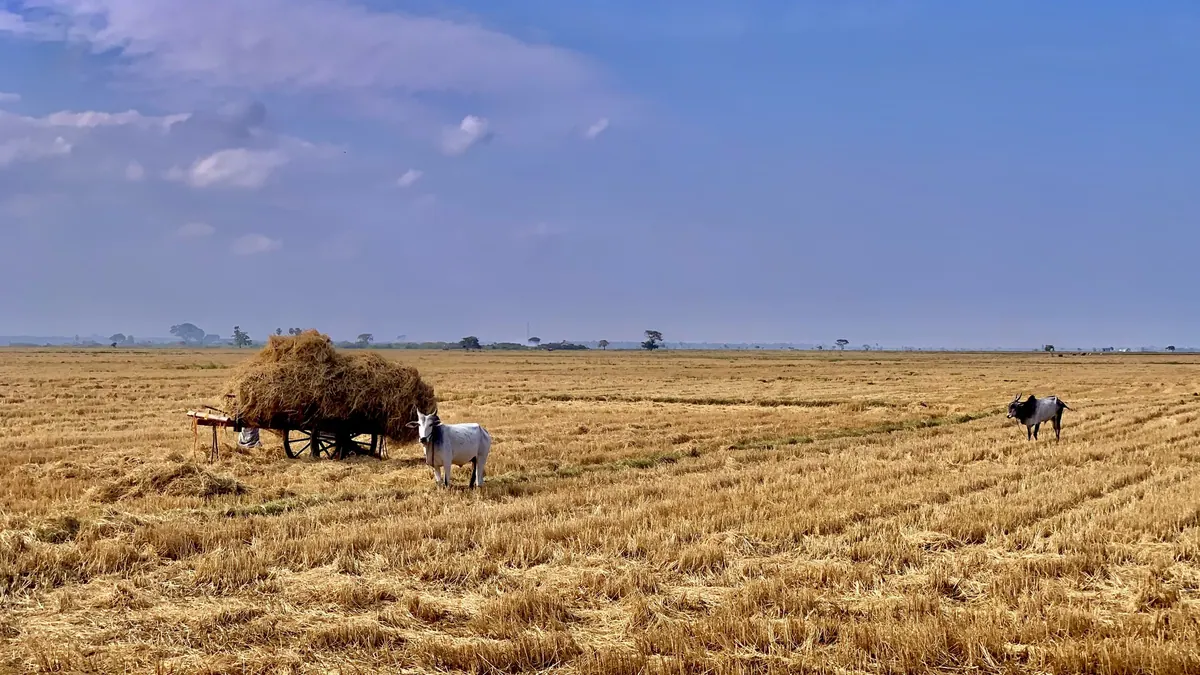
New Zealand bases milk production on grazing. Animals spend most of the year on pastures, so manure is dispersed, and its collection is concentrated at milking sheds and yards. This limits the amount of feedstock available for digestion compared with intensive European or American systems. The Waikato work takes this specificity into account, describing the solid and liquid fractions separately.
What was measured
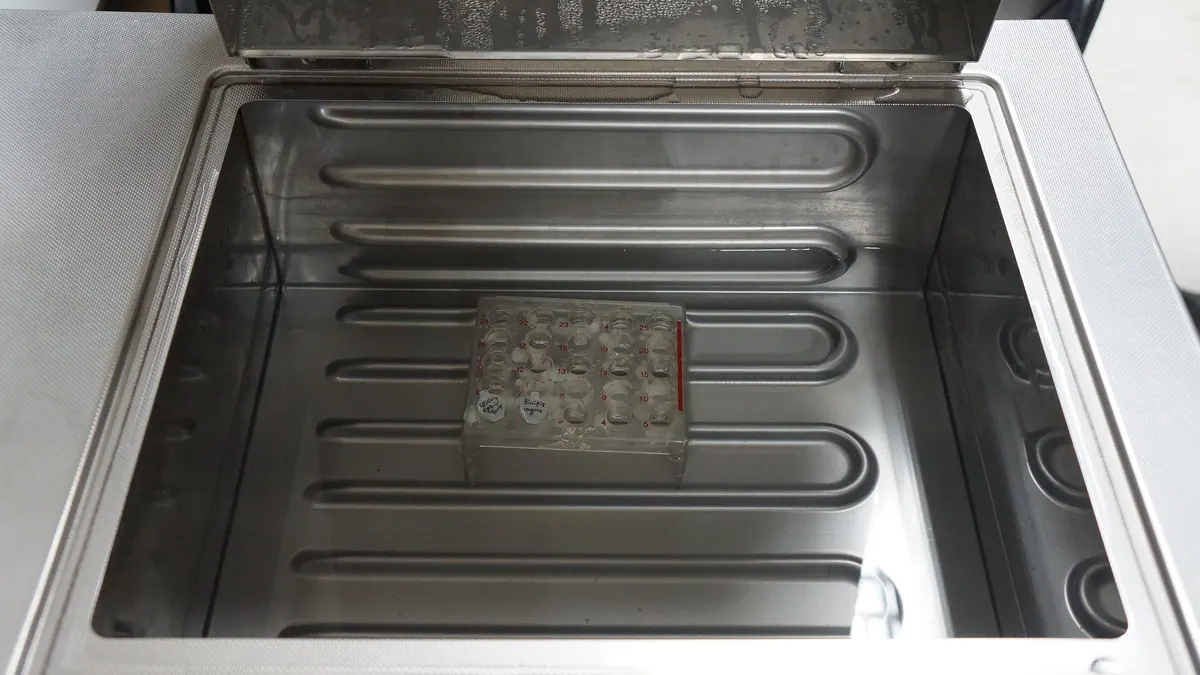
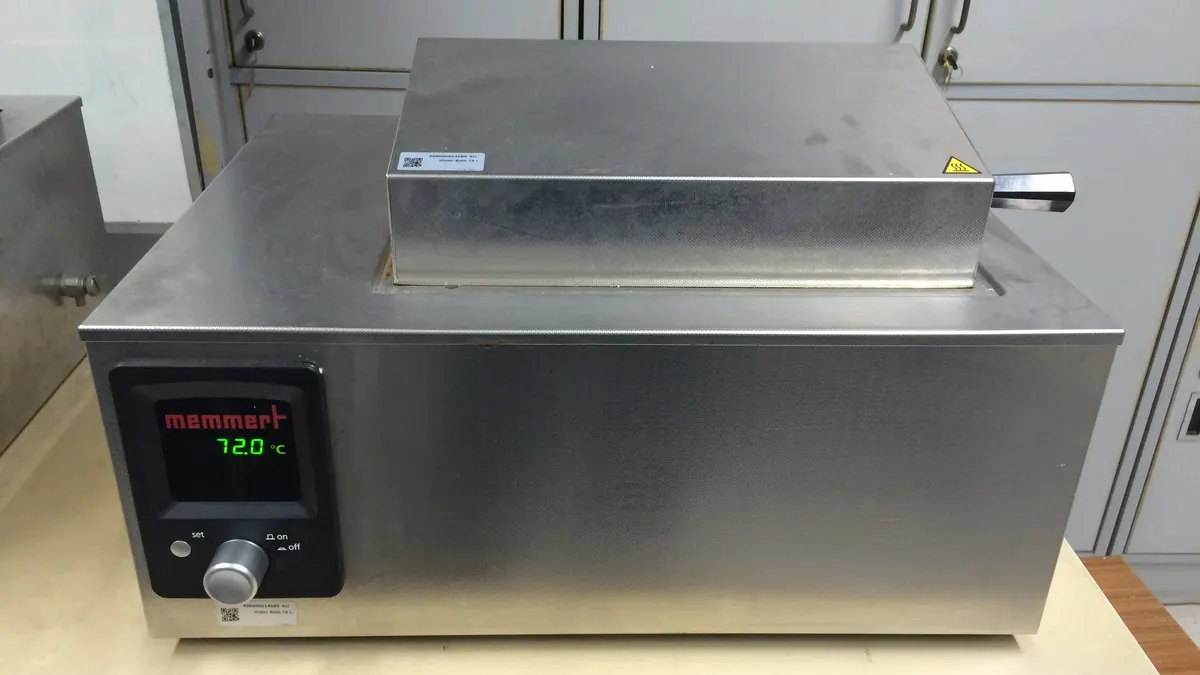
The researchers gathered literature data, carried out surveys on farm practices, and performed chemical analyses of manure and BMP tests. For the model farm case, the daily amount of energy in biogas was estimated: 558 MJ per day from the solid fraction and from 176 to 861 MJ per day from the liquid fraction, depending on the scenario.
Practical conclusion
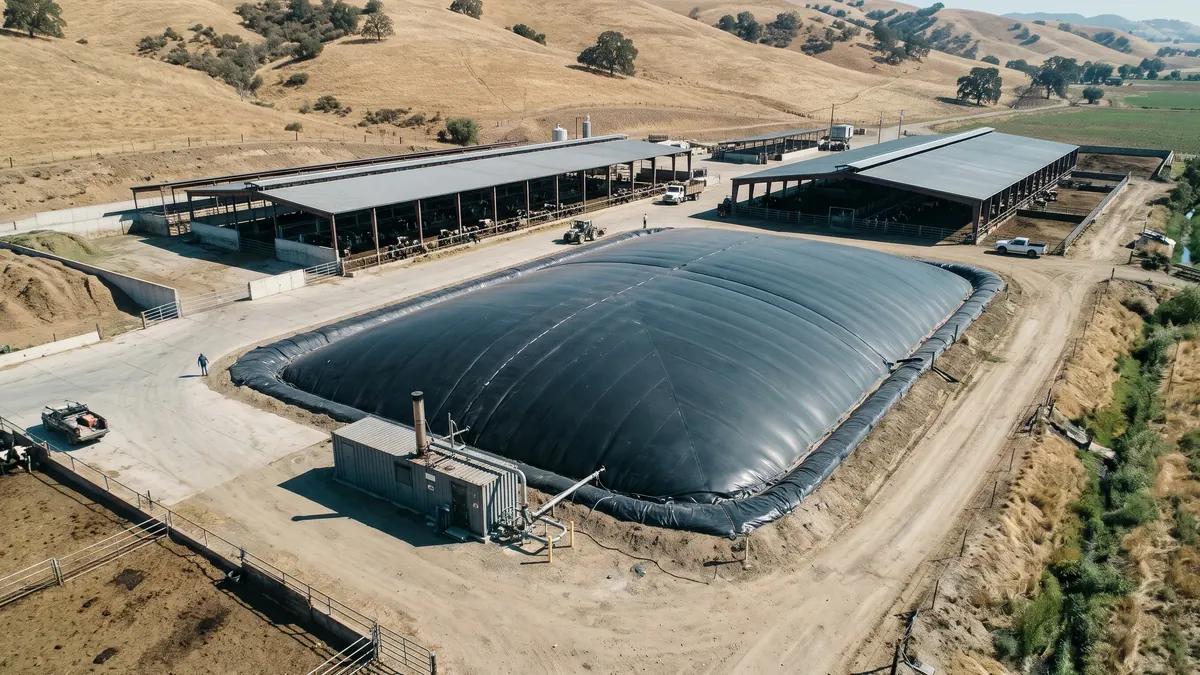
On the farm studied, the biogas produced would be enough to cover the farm's water heating demand using an instantaneous water heater. This is a modest but real scale: it is not about sending gas into the grid, but about replacing energy purchased on site. At national scale, much larger plants matter more, such as those described in the Beca and Firstgas reports, in which the largest feedstock sources are precisely dairy manure and wastewater from processing.
Limitations
BMP results are laboratory results and in a real biogas plant depend on temperature, retention time and process stability. The study concerns one farm (a case study), so generalising to the whole sector would require more data.
What this means for Poland
For Polish dairy farms the key question is the same: what share of the manure is collected in a form suitable for digestion. In tie-stall and slatted (litter-free) systems the answer is “almost all”; in systems with grazing, “only part”. With such differences it is worth calculating energy at farm level, not using national averages.
Sources
Related articles