EU Council adopts CO₂ standards for cars after a dispute over e-fuels. What about biomethane?
On 28 March 2023 the Council of the EU formally adopted the regulation introducing a 100% reduction in CO₂ emissions from new cars from 2035. A dispute over the role of synthetic fuels came first.
Other language versions: polski.
The Council of the European Union formally adopted on 28 March 2023 a regulation establishing new CO₂ emission standards for passenger cars and vans. From 2035 new vehicles will have to have zero tailpipe CO₂ emissions, and the interim targets for 2030 are 55% for passenger cars and 50% for vans compared with 2021. Adoption of the act was delayed by a dispute over whether vehicles running exclusively on synthetic fuels (e-fuels) should be permitted after 2035.
What is changing
The European Parliament adopted the regulation on 14 February, but the Council held up the vote because some countries, Germany in particular, demanded guarantees for vehicles running on e-fuels. The Commission undertook to set out how such vehicles could be registered after 2035, provided they use only climate-neutral fuels. These clarifications do not change the fundamental aim of the regulation, which is to phase out of the market new combustion vehicles that emit CO₂ from the tailpipe.
For biomethane and bio-CNG, the key point is that the regulation applies to new passenger cars and vans, not to heavy vehicles, buses or existing fleets. The standards for lorries are the subject of separate legislative work.
Significance for the industry in Poland
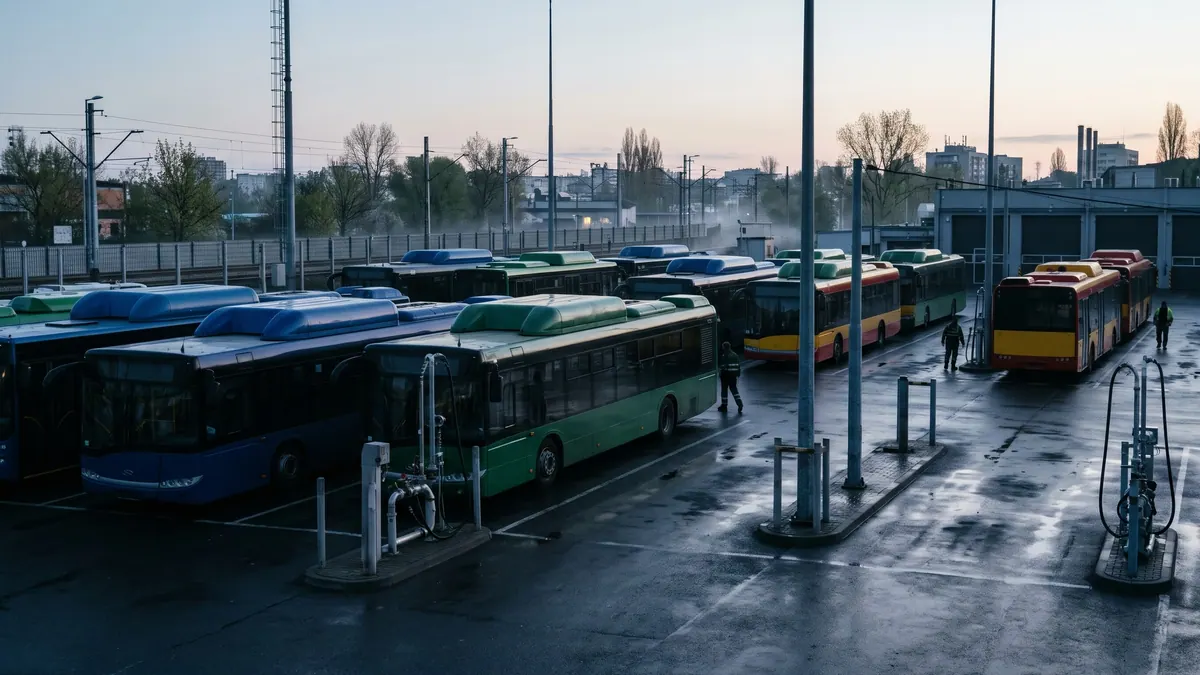
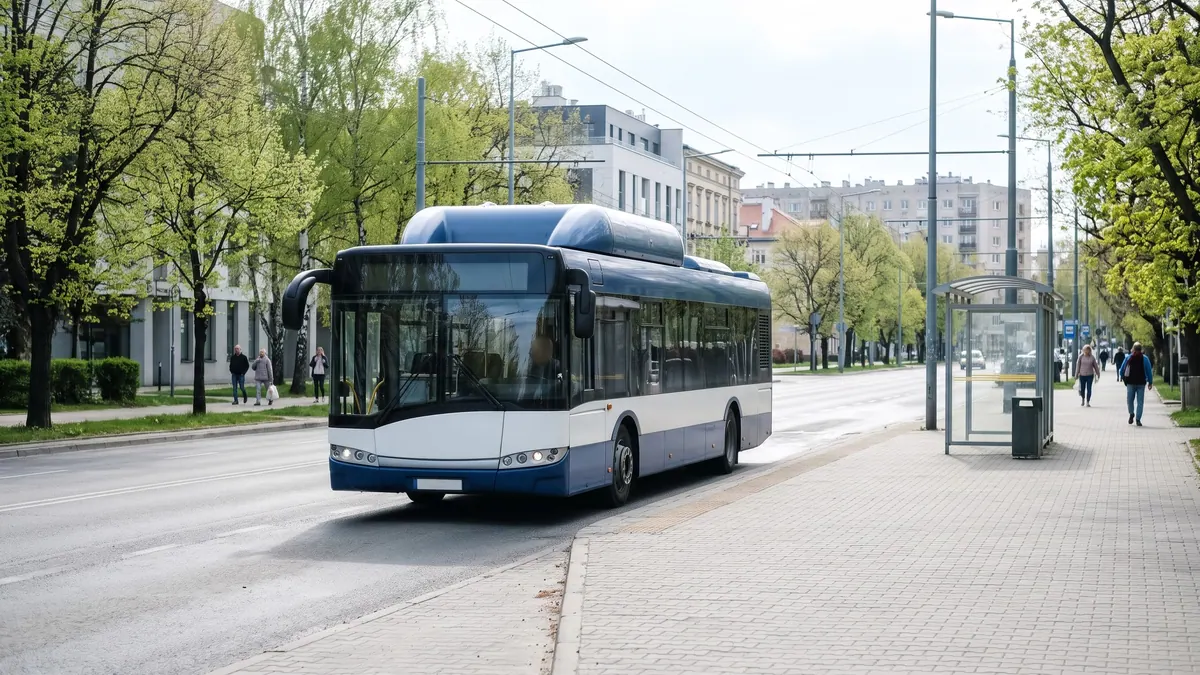
In Poland, gas fuel in transport is mainly city buses and the municipal fleet, along with a small number of lorries. For them, biomethane and bio-CNG are a realistic decarbonisation path, because they make it possible to keep the refuelling infrastructure and the vehicles. The zero-emission requirement for new passenger cars therefore does not close the biomethane market but narrows it to the segments where electrification is harder.
From the perspective of gas producers, the resolution of the e-fuels dispute means that in future the place of renewable fuels in combustion-engine cars will be decided by detailed regulation. For biomethane investments, it is rather better to aim the offer at public fleets, logistics and shipping.
What follows from the e-fuels dispute
E-fuels are made from hydrogen and CO₂ and can be used in combustion engines, but their production is energy-intensive and expensive. The dispute showed differences between countries over the role of such fuels in passenger transport. For biomethane the conclusion is similar: it will not find wide use in passenger cars after 2035, but it will remain important where energy density and range matter, for example in lorries, buses, agricultural machinery and shipping.
What next
The regulation will be signed and published in the Official Journal of the EU. The Commission is to carry out a review in 2026 and assess progress and the role of other technologies. For the biogas industry, regulations on alternative fuels infrastructure (AFIR) and CO₂ standards for heavy-duty vehicles will also be important.
Sources
Related articles