EU agreement: new cars with zero CO₂ emissions from 2035. What about biomethane in passenger transport?
On 27 October 2022 Parliament and the Council agreed CO₂ standards for cars: a 100% emission reduction for new cars and vans from 2035. This is the end of new combustion-engine cars, including those running on biomethane.
Other language versions: polski.
On 27 October 2022 negotiators of the European Parliament and the EU Council agreed new CO₂ emission standards for passenger cars and vans. They provide for a 100% emission reduction from new vehicles from 2035, and in 2030 a 55% reduction for passenger cars and 50% for vans relative to 2021 levels. In practice this means that from 2035 new passenger cars sold in the EU will not be able to emit CO₂ from the tailpipe. For biomethane in transport this means a shift of emphasis from passenger cars to heavy-duty transport and existing fleets.
What is changing
Emission standards are fleet targets for the manufacturer, and exceeding them results in penalties. The high reduction in 2035 means that new combustion-engine cars, including those running on CNG or biomethane, will in practice not be able to be sold as new from that year (the target applies to the manufacturer's fleet average, with derogations for, among others, small-volume manufacturers). The agreement contains a review clause: in 2026 the Commission will assess progress and the role of other technologies.
Biomethane and bio-CNG do not disappear from transport. Existing cars, lorries, buses and municipal fleets running on CNG can be fuelled with biomethane for many years to come. Standards for heavy-duty vehicles are a separate area of regulation.
Significance for the industry in Poland
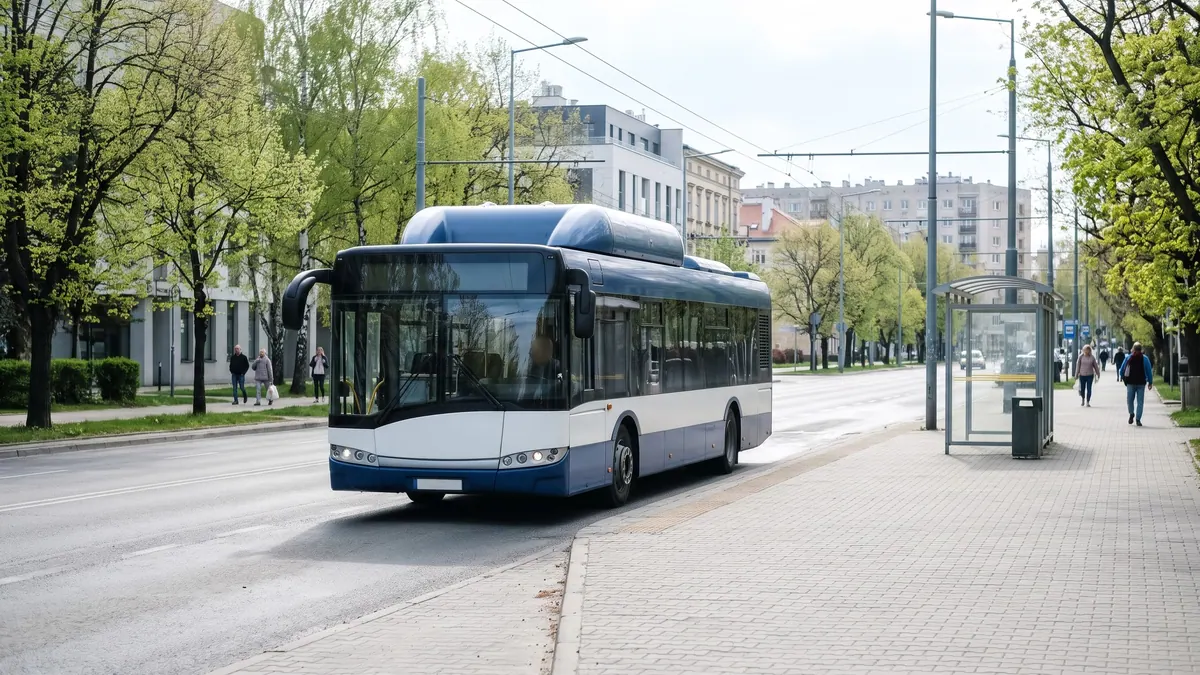
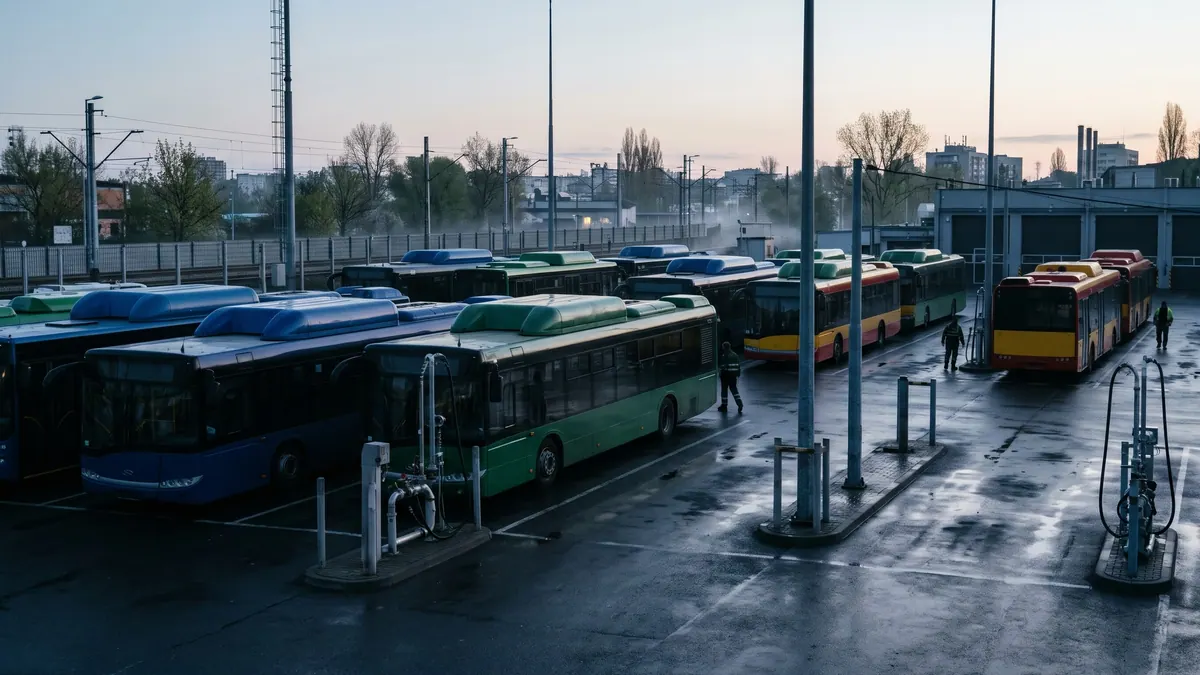
Poland has a growing fleet of CNG- and LNG-fuelled buses, and their operators, including municipal companies, are considering fuelling them with biomethane. For biomethane producers the transport market remains mainly public transport and the heavy fleet, not passenger cars. The change also means that the value of biomethane will grow in sectors where electric drive is harder to apply.
For investors it is a signal that, when planning to sell biomethane on the fuel market, the offer should be directed at municipal fleets, logistics and shipping, not at the passenger car market. Guarantees of origin and certification will be important for any sale into transport.
Where biomethane still makes sense
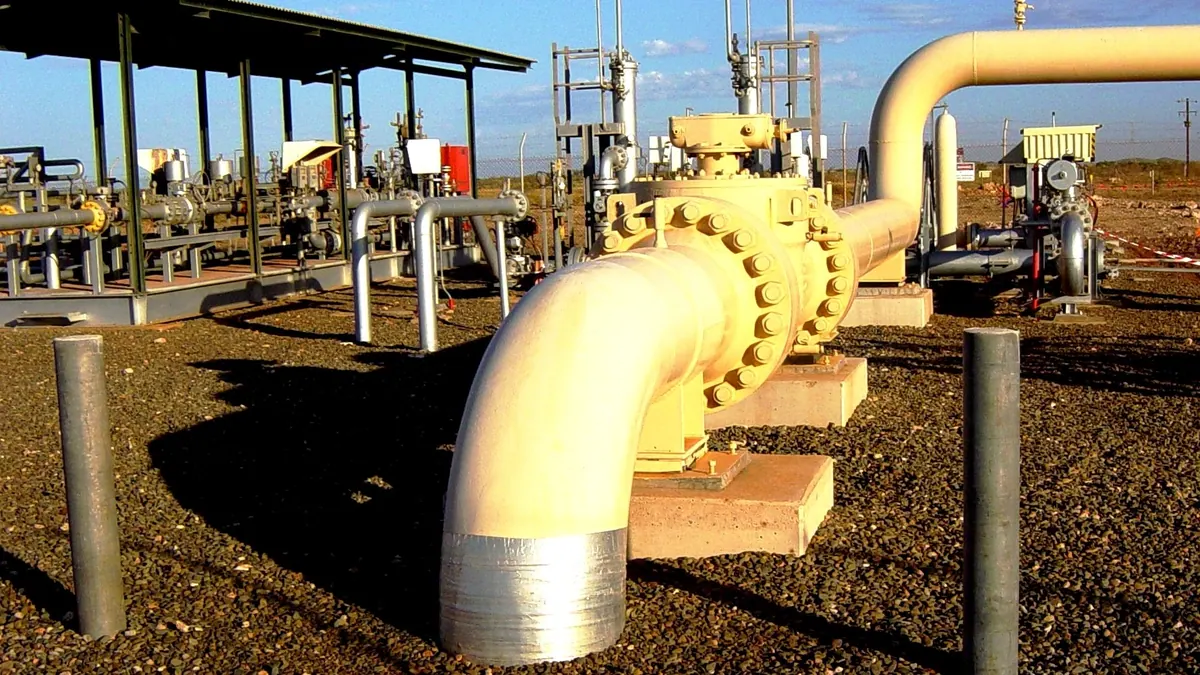
The most promising segments are city and municipal buses, long-haul lorries, agricultural machinery, and inland and maritime shipping. In these applications the energy density of the fuel and refuelling time matter, and the battery alternative is more expensive or less mature. For biomethane producers this means the need to build CNG/LNG refuelling stations, long-term contracts with fleets and fuel certification so that customers can account for the emission reduction.
What next
The agreement requires formal approval by Parliament and the Council. Some countries and the automotive industry are discussing the role of synthetic fuels and biofuels in combustion-engine cars. For biogas plants, the provisions regulating requirements for heavy-duty vehicles and the rules on the availability of alternative fuels infrastructure will be key.
Sources
Related articles