BiomethaneEvent
Italy: biomethane decree published. Recovery plan funds for new installations and biogas plant conversions
On 26 October 2022 Italy published MITE Decree No 340 of 15 September 2022 on support for biomethane: EUR 1.7 billion from the PNRR and tariffs for installations injecting biomethane into the grid.
Other language versions: polski.
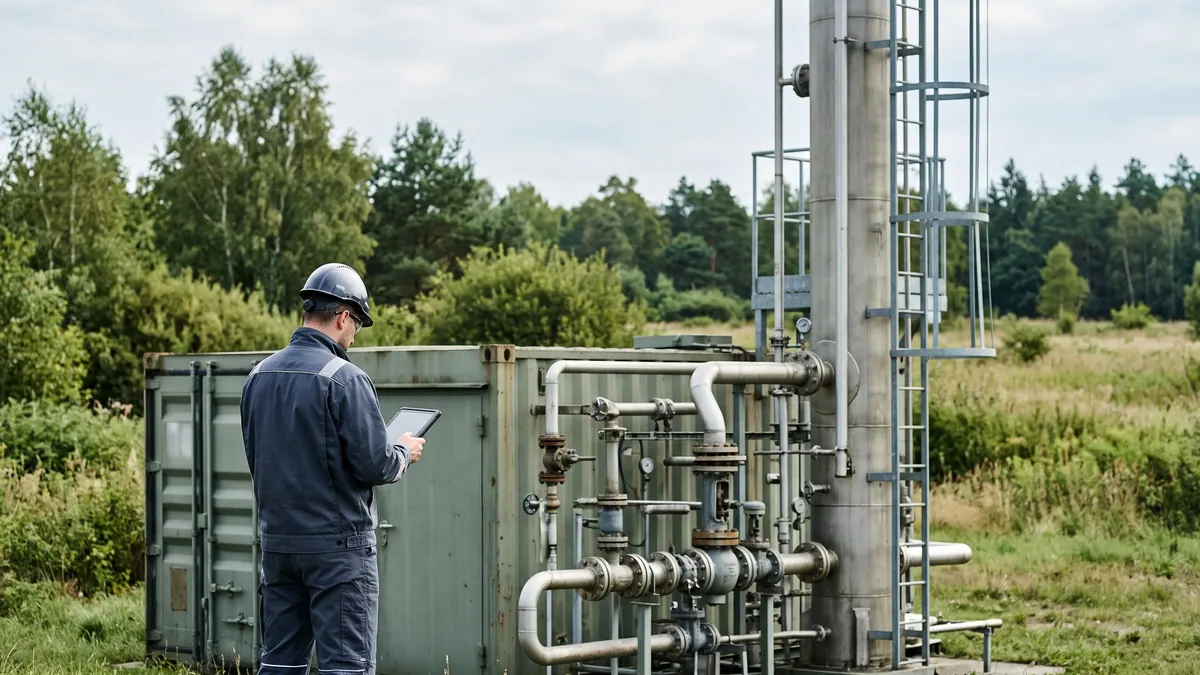
Italian Decree No 340 of the Ministry of Ecological Transition (MITE) of 15 September 2022, which sets out the rules of support for biomethane, was published in the Gazzetta Ufficiale on 26 October 2022. The document unlocks EUR 1.7 billion from the Italian national recovery and resilience plan (PNRR) for building new biomethane installations and converting existing agricultural biogas plants. According to legal analyses, total public support may reach about EUR 4.5 billion, of which about EUR 2.8 billion in the form of tariffs for producers. It is one of the largest biomethane programmes in Europe.
What is changing
The earlier Italian system mainly supported biomethane used in transport. The new decree extends the range of uses to heating, industry, the residential sector, services and agriculture. Support for investors includes capital grants and tariffs for biomethane injected into the grid. The programme is linked to Italy's target of increasing biomethane production by 2030 and to the use of EU funds.
For agriculture the conversion pathways are important: existing agricultural biogas plants, until now producing electricity in cogeneration, can switch to biomethane production, which gives them a second life after the old support schemes expire.
Significance for the industry in Poland
The Italian example is significant for several reasons. It shows how a country with a large number of agricultural biogas plants creates a pathway for conversion to biomethane: through investment co-financing, tariffs and simplified procedures. It is also a model for using recovery plan funds to develop renewable gases.
Poland has several hundred biogas installations in total (agricultural, landfill, at wastewater treatment plants), operating mainly in cogeneration. For some of them conversion to biomethane could be a way of extending project lifetimes, but it requires connection to the gas grid, an appropriate scale (usually above several hundred m³ of biogas per hour) and stable support. In October 2022 there are still no complete rules that would make this possible.
What the Italian model teaches
The Italian system combines two tools: one-off co-financing of investment (from recovery funds) and tariffs for the biomethane produced. Such a combination lowers the barrier to entry, because the investor's own capital is smaller and revenues are predictable. Preferences are also assumed for agricultural installations and those that help reduce emissions from agriculture, e.g. using manure. For other countries the timetable is important: PNRR funds must be spent by a set deadline, so the pace of project implementation is crucial.
What next
The Italian solutions will be tested in practice: investor interest and the pace of project delivery will show whether the programme achieves its intended goals. For Poland the conclusions concern the need to define biomethane in law, to create a register of producers, a support system and transparent rules for grid connection. Following Italy's example it is also worth considering the use of recovery plan funds and other EU programmes.
Sources
Related articles