BiomethaneGuide
A biomethane plant step by step: the project schedule from idea to commissioning
Building a biomethane plant usually takes two to three years. We present the stages: site, study, connection conditions, environmental decisions, financing, construction, commissioning and certification, with typical durations and risks.
Other language versions: polski.
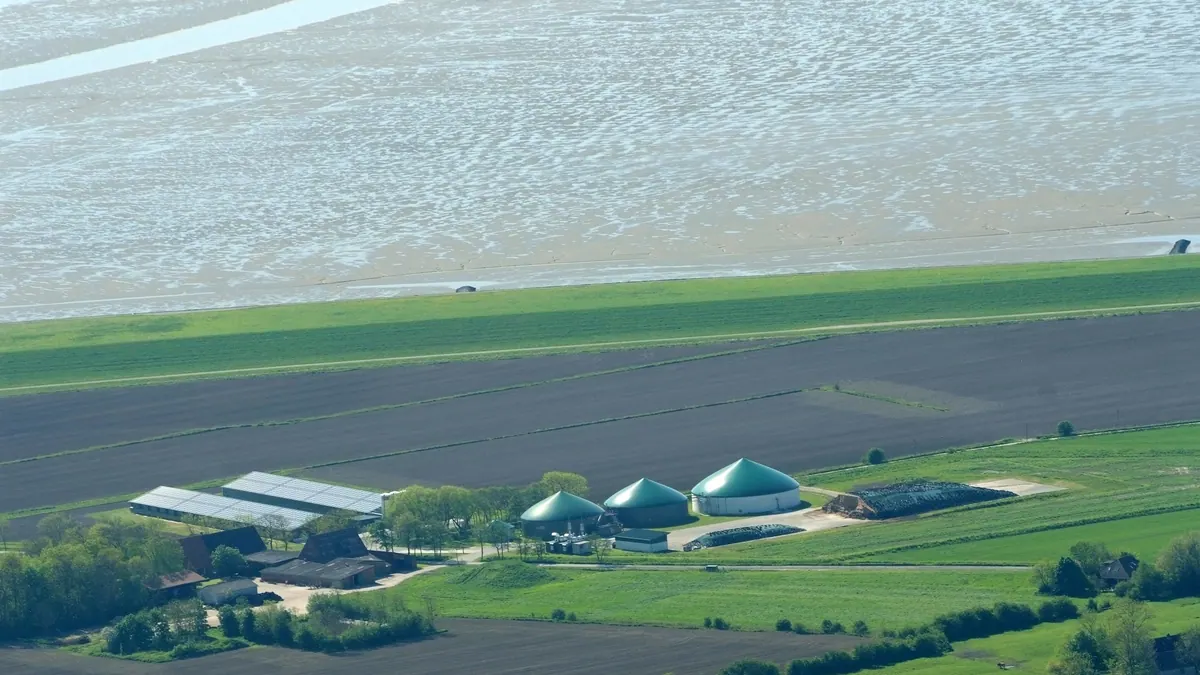

Implementing a biomethane plant from idea to commissioning usually takes from about two to three years and consists of several overlapping stages: concept and site selection, a feasibility study, arrangements with the network operator, obtaining administrative decisions, financing, construction, commissioning and certification. The longest are often grid arrangements, permits and equipment deliveries, and the most common cause of delays is changes to the design and the lack of substrate contracts. The schedule below is indicative; regulations and procedures must be checked on an ongoing basis.
Stage 1: concept and site (1–3 months)
Define the aim: the size of the installation (m³/h of biomethane), the type of substrates, the gas customer. Choose the site taking into account the distance from a gas pipeline of suitable pressure, the availability of substrates within the delivery radius, the area for the yard and stores, access roads, the spatial development plan and the proximity of housing (odour nuisance). Carry out a preliminary mass balance analysis: how many substrates are needed, from where and on what terms.
Stage 2: feasibility study (2–4 months)
The study contains the mass and energy balance, the selection of technology (fermentation, upgrading), preliminary CAPEX and OPEX, a financial model with several scenarios, a risk analysis and a schedule. At this stage it is worth inviting potential suppliers to talks, obtaining preliminary offers and verifying the availability of substrates through letters of intent.
Stage 3: grid connection (in parallel, 6–18 months)
Submit an application for connection conditions (see the article on connection), analyse capacity, pressure and costs. The result of the analysis may change the site or capacity. The waiting time depends on the operator and the need to expand the grid.
Stage 4: permits (6–18 months)
A typical set includes: a decision on development conditions or compliance with the local plan, an environmental decision (depending on the scale and classification of the project), a building permit, permits concerning the management of waste and by-products (if waste is received), fire and sanitary approvals, and entries or licences arising from the regulations on business activity in the field of biogas and gas. The scope depends on local circumstances and the current legal situation, so it is worth consulting a lawyer and the authority.
Stage 5: financing and contracts (3–9 months)
Prepare a package of contracts: EPC or contracts for individual parts, contracts for substrates and for the management of digestate, a biomethane sales contract, an O&M contract. Financial close usually requires final and binding permits, contracts and insurance (details in the article on financing).
Stage 6: construction (12–18 months)
It includes earthworks and foundations, tanks and digesters, the process installation, the upgrading system and injection station, the connection, and automation. Order equipment with a long delivery time (upgrading, compressors, chromatograph) immediately after financial close, or even earlier if the risk is acceptable. Plan investor supervision and regular quality reviews.
Stage 7: commissioning (3–6 months)
The sequence: start-up of the digesters (inoculation, gradual increase in loading), achieving stable biogas production, start-up of upgrading, leak-tightness tests, technical supervision acceptance, start-up of the injection station and first injection after agreement with the operator. Full capacity is usually reached several months after the start of fermentation.
Stage 8: certification and start of sales
Implement a sustainability certification system (if the gas is to be sold as a biofuel), register the installation in the guarantees of origin register, sign the final settlement agreements. It is best to begin these activities during construction so that the first volumes are covered by documentation.
Sample combined schedule
| Months | Activities |
|---|---|
| 0–3 | concept, site |
| 3–7 | study, talks with suppliers and customers |
| 4–20 | connection conditions, connection agreement |
| 6–24 | permits |
| 18–24 | financial close |
| 22–36 | construction |
| 34–40 | commissioning |
| 38–42 | full production and certification |
The periods are examples; in practice much depends on individual circumstances.
Typical risks and how to limit them
- Connection. Investigate capacity early, consider an alternative (bioCNG).
- Substrates. Sign multi-year contracts, investigate their quality.
- Changes to the design. Freeze the scope after the study, limit modifications.
- Deliveries. Order in advance.
- Team. Hire an experienced project manager and a technical adviser.
Summary
A well-planned schedule, running the key tracks (grid, permits, financing) in parallel and discipline in change management shorten the implementation time and reduce risk.
Sources
Related articles