Commission proposes a new directive on wastewater treatment: energy neutrality and biogas
On 26 October 2022 the European Commission proposed a revision of the Urban Wastewater Treatment Directive. The proposal envisages energy neutrality of the sector, including energy production from sewage sludge biogas.
Other language versions: polski.
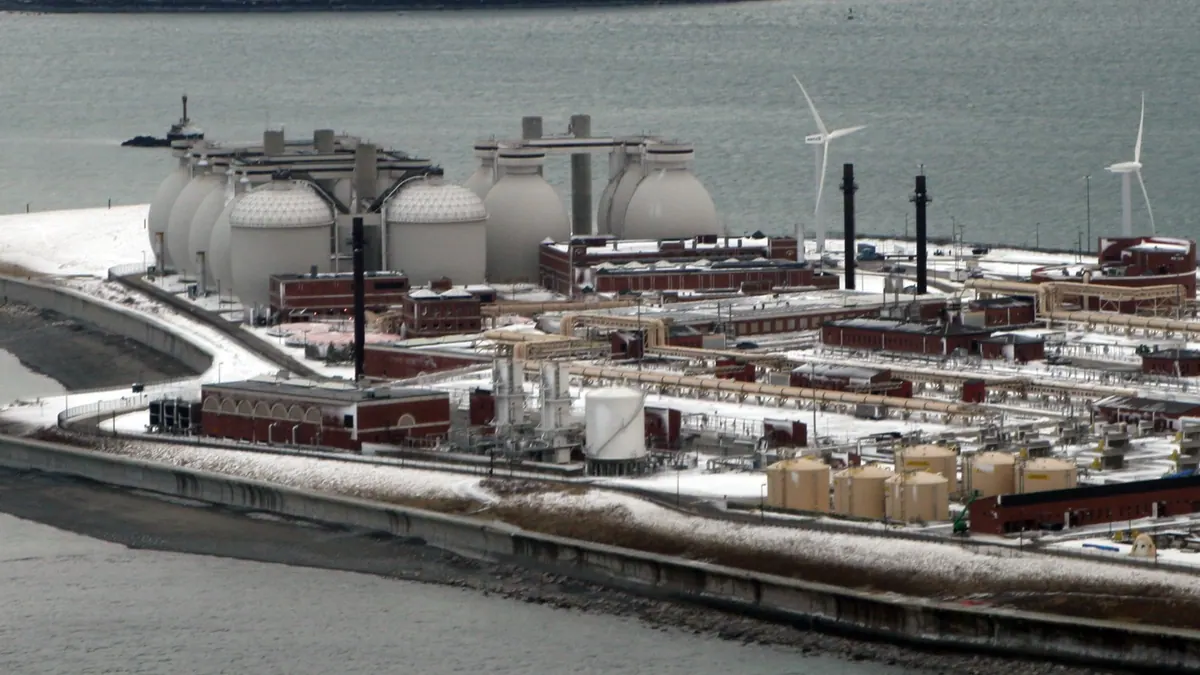

On 26 October 2022 the European Commission presented a proposal for a revision of the Urban Wastewater Treatment Directive (UWWTD). The proposal tightens requirements for treatment plants, extends them to smaller agglomerations, introduces a target of energy neutrality for the sector and the principle of extended producer responsibility for micropollutants, e.g. pharmaceuticals and cosmetics. For the biogas industry it is significant that, on the path to energy neutrality, treatment plants are to use renewable sources, including biogas from sludge fermentation.
What is changing
Wastewater treatment plants are large energy consumers. In the Commission's proposal the sector is to reduce its energy use and produce energy from renewable sources, wind, solar and biogas, so as to achieve energy neutrality within the time horizon. The directive provides for energy audits and a reporting obligation. In addition, requirements for the removal of nutrients (nitrogen and phosphorus) are tightened, which increases demand for more advanced treatment technologies.
The Commission also proposes covering smaller agglomerations by the directive and monitoring selected pollutants. Extended producer responsibility means that the costs of removing micropollutants from pharmaceuticals and cosmetics are to be borne by their manufacturers, and not only by the customers of water and sewerage services.
Significance for the industry in Poland
In Poland many treatment plants, especially larger ones, ferment sludge and produce biogas, used in cogeneration. The energy neutrality target increases the value of such installations and may encourage the modernisation of digesters, the introduction of co-digestion with additional substrates (e.g. waste from the food industry) and improvements in energy efficiency.
On the other hand, the tightening of requirements for nitrogen and phosphorus removal and the need to adapt infrastructure in smaller agglomerations mean large capital expenditure. For municipalities and water utilities the key issue will be sources of funding, including EU and national funds.
How sludge biogas fits the target
Sludge fermentation is a traditional stabilisation technique which yields biogas with a methane content typically in the range of several tens of percent. Used in cogeneration, it covers part of the plant's demand for electricity and heat. In larger facilities, upgrading to biomethane may also be worthwhile. The energy neutrality target increases the value of such solutions and encourages combining sludge with other substrates, but also requires investment in the energy efficiency of aeration, which accounts for the largest share of electricity consumption.
What next
The proposal goes to the European Parliament and the Council. The dispute will concern, among other things, the time horizon of energy neutrality, the scope of extended producer responsibility and the timetable for adapting smaller agglomerations. Treatment plants planning investment in sludge fermentation or biogas management should follow the provisions on energy neutrality, because they may affect support criteria and project profitability.
Sources
Related articles