EU Council sets its position on the wastewater directive: energy neutrality of treatment plants by 2045
On 16 October 2023 the Council of the EU agreed its position on the revision of the Urban Wastewater Treatment Directive. By 2045 treatment plants are to produce as much energy as they use, with interim targets.
Other language versions: polski.
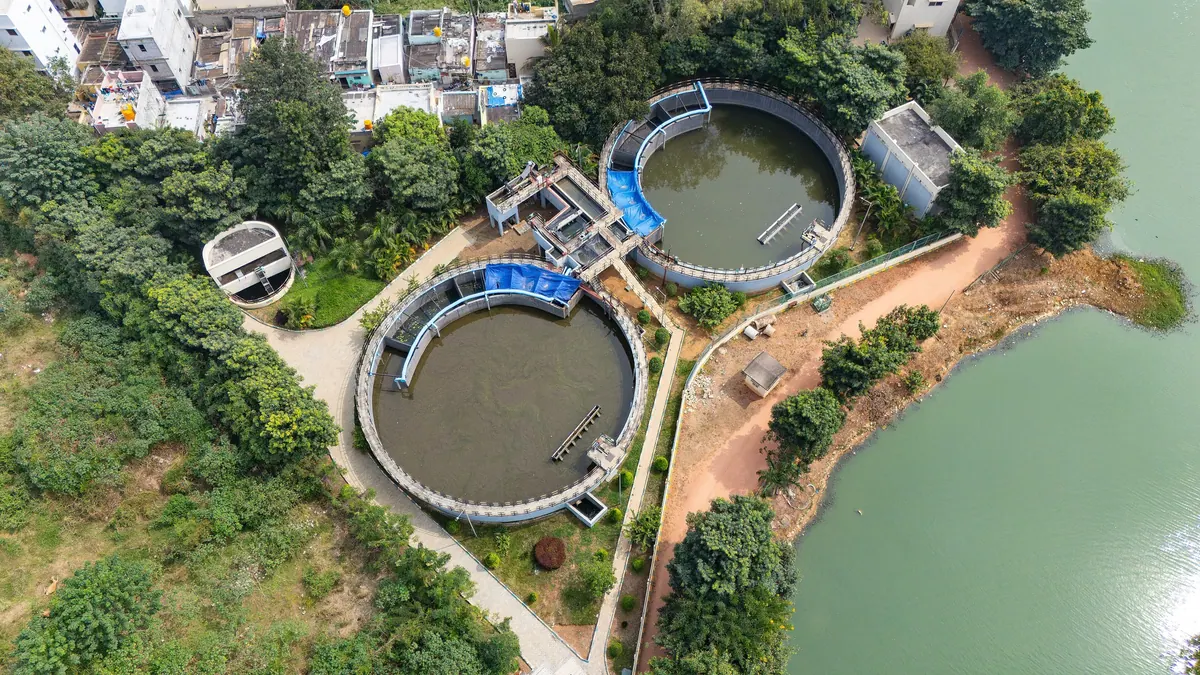

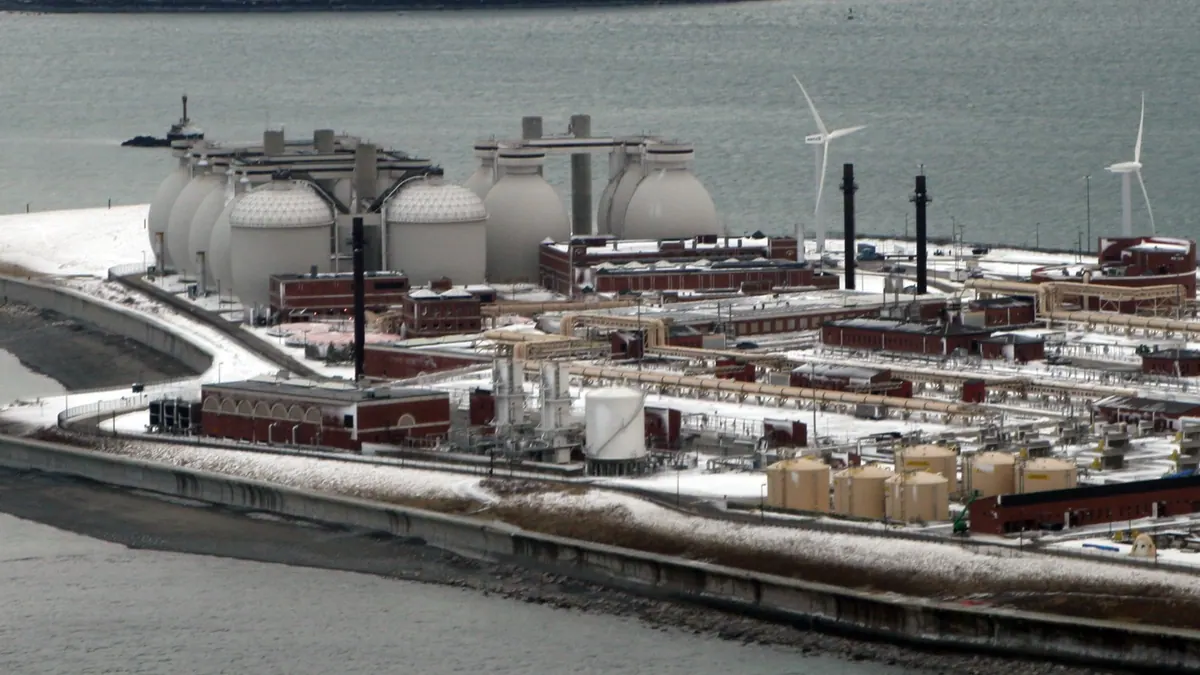
The Council of the European Union agreed on 16 October 2023 its negotiating position on the revision of the Urban Wastewater Treatment Directive. In the part on energy it introduced a target of energy neutrality: by 2045 wastewater treatment plants are to produce energy in an amount corresponding to what they use, with intermediate stages. The Council's position is the basis for talks with the European Parliament. For the biogas industry this means growing importance of sludge fermentation and other renewable sources at treatment plants.
What is changing
The European Commission proposed in October 2022 a revision of the 1991 directive. The Council modified some of the proposals but kept the main elements: stricter requirements for nitrogen and phosphorus removal, coverage of smaller agglomerations, monitoring of selected pollutants, and extended producer responsibility for removing micropollutants from medicines and cosmetics. In the area of energy, the Council determined that the neutrality target should be understood at the level of the whole sector and take into account the possibility of producing energy from renewable sources such as biogas, wind and solar.
Elements of flexibility also appeared in the position: the schedules depend on the size of the agglomeration, and Member States may use differentiated deadlines.
Significance for the industry in Poland
Polish treatment plants, especially large ones, have for years used sludge fermentation and produced biogas for cogeneration. The energy neutrality target will be an incentive for them to invest further: to increase biogas production through co-digestion with industrial waste, to modernise digesters, and to improve the efficiency of aeration. Smaller treatment plants, where fermentation is not cost-effective, will look for other solutions, for example photovoltaics.
Tightened requirements for nutrient removal and the coverage of smaller agglomerations mean high investment costs for municipalities. Funding from national and EU funds will be a key factor in the pace of implementation.
What to pay attention to
Treatment plant operators should carry out energy audits and assess the biogas potential of sludge and the possibilities of co-digestion. It is also worth following how the definitions and deadlines of the interim targets are worded, because the investment plan depends on them.
Biogas from sludge in practice
At a treatment plant with sludge fermentation, biogas most often powers a cogeneration unit, which produces electricity and heat for the needs of the facility, including heating the digesters. Energy neutrality, however, requires consideration of the whole balance: the biggest energy consumer is the aeration of wastewater. Investments in efficient blowers, process control and heat recovery are therefore sometimes as important as increasing biogas production.
Financing the changes
Adapting to the new requirements will be costly. Funds from EU and national funds will be of key importance, as will the possibility of passing the costs of micropollutants on to producers. Municipalities and water companies should already be planning the phasing of investments, including those that combine wastewater quality goals with energy production.
What next
Trilogue negotiations with the European Parliament, which adopted its own position on 5 October 2023, will begin. The parties must agree the final targets, deadlines and rules of extended responsibility. The talks are to be completed in early 2024.
Sources
Related articles