BiogasEvent
Ecogas opens New Zealand's first commercial food waste digestion plant in Reporoa
On 20 October 2022 Ecogas officially opened the Reporoa plant – according to the company the country's first commercial-scale anaerobic digestion plant for food waste, with a throughput of 75,000 t per year.
Other language versions: polski.
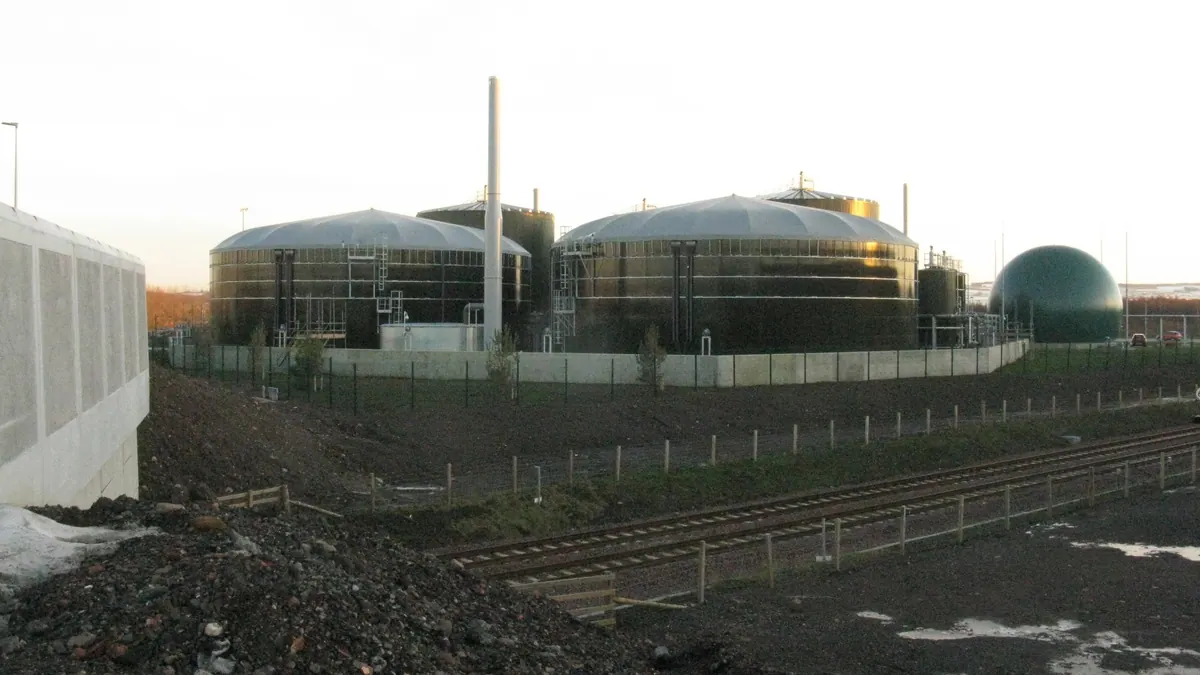

The company Ecogas officially opened its plant in Reporoa on the North Island on 20 October 2022. Ecogas describes it as the first of its kind in New Zealand; reports from the opening also described it as the country's largest food waste processing plant, but that wording comes from promotional announcements. The target throughput is 75,000 tonnes of food waste and other organic residues per year, and according to Ecogas the plant processes about 200 tonnes per day and has consent to accept up to 100,000 tonnes per year.
Scale and financing
According to the NZ Herald in March 2022, the investment cost more than 30 million New Zealand dollars, and director Andrew Fisher then spoke of a “soft opening” in October and processing by the end of the year. Construction was supported by a NZD 7 million loan from the government's regional development fund (the Provincial Growth Fund), as RNZ reported in 2020. Ecogas also has a 20-year contract to process food waste collected by Auckland Council.
What is made from the waste
The plant was designed as a source of biogas and liquid biofertiliser, and, according to the plans, heat and CO₂ were to go to the neighbouring T&G Fresh greenhouse. Since December 2021 Ecogas had been working with Firstgas on upgrading biogas to biomethane; however, injecting biomethane into the grid required a change to the gas quality standard (see the update).
Digestate: the pilot in Wiri and trials in Pukekohe
Before building the full-scale plant, Ecogas started a small pilot plant in Wiri (Auckland) processing up to 60 kg of waste per day. The digestate it produced was used for trials in Pukekohe, in which grass growth was compared after applying digestate, popular fertilisers and on control plots; the grass was mown and weighed after the growth period. The Ecogas website does not give the results of these trials, so the quality and fertiliser value of the digestate from Reporoa remain the company's claim.
What this means for Poland
Reporoa combines three elements: a guaranteed stream of municipal waste (the contract with Auckland), a heat customer (greenhouses) and a planned gas injection pathway (cooperation with Firstgas). For Polish waste-processing biogas plants this is a model that limits revenue risk: three sources of income (a gate fee for accepting waste, energy, the final product) diversify revenue, although all of them depend on the volume of waste accepted. What remains key for the quality of the digestate is the control of contaminants in the waste accepted at the plant.
Sources
- Bioenergy Association NZ — Ecogas opens its flagship Reporoa Organics Processing Facility
- NZ Herald (The Country) — Reporoa's $30m-plus food waste to bioenergy facility on track (27.03.2022)
- Ecogas — Pilot plant and digestate trials
- RNZ — First large-scale food waste-to-bioenergy facility construction begins (4.08.2020)
Related articles