BiogasEvent
Ecogas Reporoa: construction begins on New Zealand's first large food waste biogas plant
In August 2020 construction began on the Ecogas plant in Reporoa, which is to process 75,000 t of food waste a year and supply heat and CO₂ to the T&G greenhouse.
Other language versions: polski.
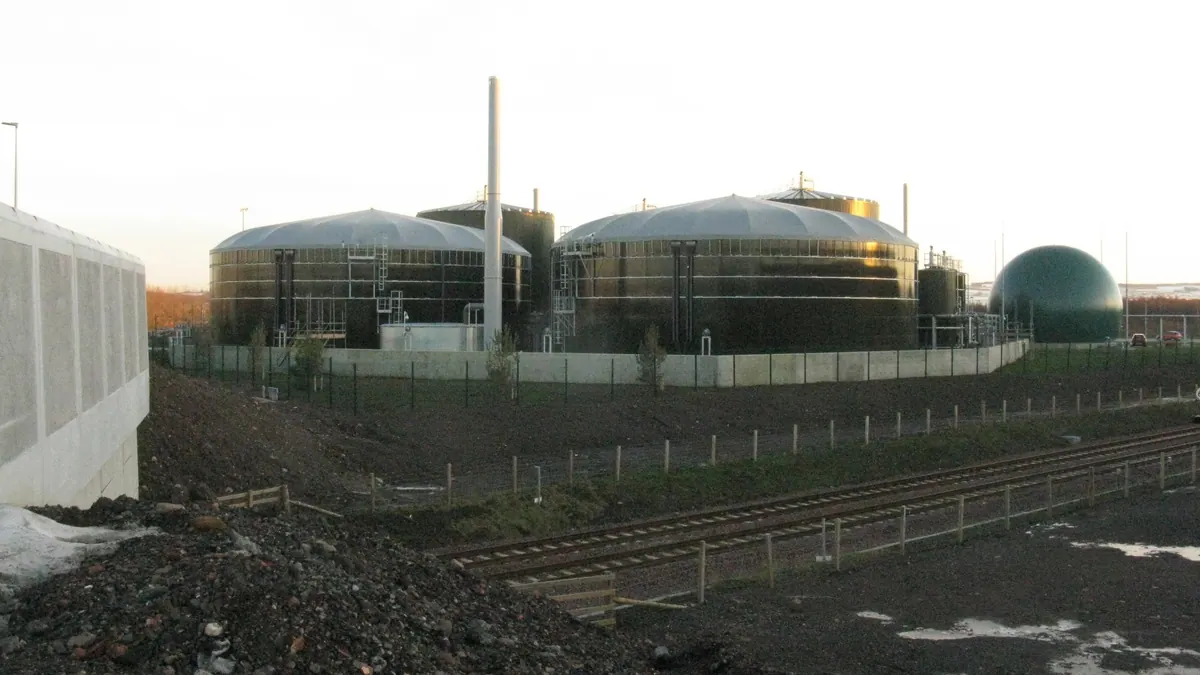

In August 2020 construction began on the Ecogas plant in Reporoa on the North Island – a facility that produces biogas from food waste on a commercial scale. According to RNZ, the facility is to process 75,000 tonnes of organic waste a year, and the heat and CO₂ it produces are to supply the nearby greenhouse of the tomato grower T&G Fresh, which owns the construction site.
Funding and scale
RNZ reports that the investment, worth about 30 million New Zealand dollars, received a loan of 7 million NZD from the government regional development fund (the Provincial Growth Fund, 2019), co-financed by Ecogas. Construction began after the site was blessed by Ngāti Tahu-Ngati Whaoa, and the plant was due to start in 2022. Hortidaily mentions about 60 jobs during construction.
What the plant is to produce
According to RNZ, New Zealand landfills about 327,000 tonnes of food waste a year, and the new plant is to cut emissions by as much as 10,000 tonnes of CO₂ a year. The energy produced is to be enough for about 2,500 households, and the biofertiliser is to go to about 2,000 ha of surrounding farmland. Heat and carbon dioxide are to be supplied to the T&G greenhouse.
Scale relative to national waste
The target throughput of 75,000 tonnes is about 23% of the annual amount of food waste that, according to RNZ, goes to landfill in New Zealand (327,000 tonnes) – so this is a plant of significant, but not game-changing, national scale. The emissions reduction of 10,000 t CO₂ a year is a figure given by the investor, not an independent assessment. The plant was to be the first such facility on a large scale in the country, which is why the 2020 announcements emphasised local jobs and cooperation with the landowners, i.e. T&G Fresh and the local Ngāti Tahu-Ngati Whaoa community.
What this means for Poland
Ecogas is an example of integrating a waste-treatment biogas plant with an off-taker of heat and CO₂ from agriculture (greenhouses) – a model that is also possible in Poland, where heat from cogeneration is often underrated. For comparison: Poland still lacks regular municipal contracts for kitchen biowaste, which in New Zealand were meant to provide the feedstock base.
Sources
Related articles