Korea: a 50 MW fuel cell power plant fuelled by by-product hydrogen starts up in Daesan
On 28 July 2020 a 50 MW power plant made up of 114 modules of 440 kW each, fuelled by by-product hydrogen from the Hanwha Total petrochemical plant, was officially completed in Daesan.
Other language versions: polski.
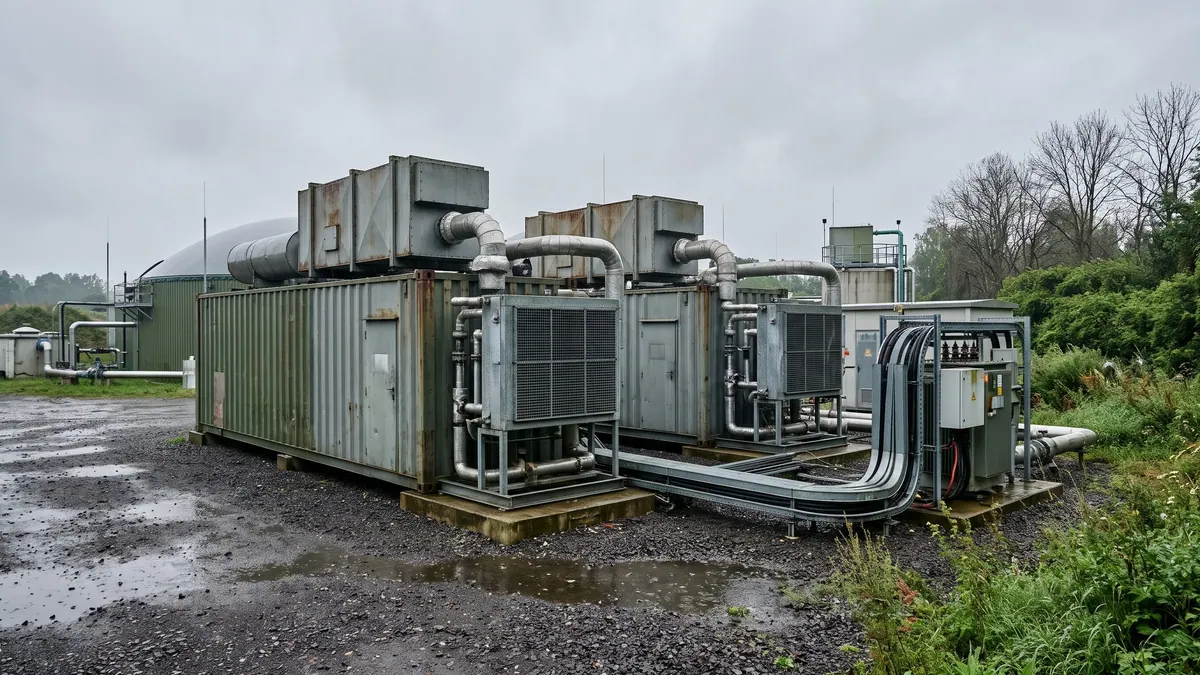
South Korea started up in July 2020 in Daesan (South Chungcheong Province) a fuel cell power plant with a capacity of 50 MW, fuelled by by-product hydrogen from the petrochemical industry. The completion ceremony took place on 28 July 2020, and the facility was described as the first and largest installation of its kind in the world.
Installation parameters
The power plant is made up of 114 Doosan Fuel Cell fuel cell modules, each with a capacity of 440 kW, giving a total of 50 MW. Annual electricity production is about 400,000 MWh, which according to Doosan and Asia Economy is enough for about 160,000 households (Hanwha's release from the time of construction speaks of 170,000). According to Doosan the plant has operated commercially since June 2020, and Doosan is responsible for servicing the cells for 20 years. According to Hanwha's plans the cells were to produce about 40,000 t of water per year, returned to the petrochemical plant.
The hydrogen comes from petrochemical processes in the Daesan industrial complex: according to Hanwha Energy's release, Hanwha Total Petrochemical was to supply about 3.4 t of hydrogen per hour. Asia Economy stresses that by-product hydrogen had previously been burned or lost, and that the power plant emits no additional CO₂ — unlike cells fuelled by hydrogen from natural gas (LNG).
Who invested
The investor is the special purpose company Daesan Green Energy, established in January 2018 by Hanwha Energy, Doosan Fuel Cell and Korea East-West Power. Doosan is also responsible for long-term maintenance of the modules. Hanwha gave in its groundbreaking release a cost of 255 billion won (about 228 million USD at the exchange rate in the release).
Political context
During the ceremony Prime Minister Chung Sye-kyun announced a target of 15 GW of fuel cells for electricity generation by 2040 (including 8 GW for the domestic market) and recalled that Korea accounts for about 40% of global supplies of hydrogen fuel cells. The project formed part of Korea's Hydrogen Economy Roadmap of 2019 (we discuss the details in a separate entry).
Conclusions for biogas
Daesan is an example of "matching" a fuel source to a consumer: the power plant lies next to the facility that supplies the hydrogen, so according to Asia Economy it requires no separate investment in transmission networks. A similar logic applies to biogas — it works best where the feedstock (slurry, food waste) and the consumer of energy or heat are close to each other.
Sources
Related articles